Prisoners by Night, Winemakers by Day: Gorgona Island's Unique Vineyards
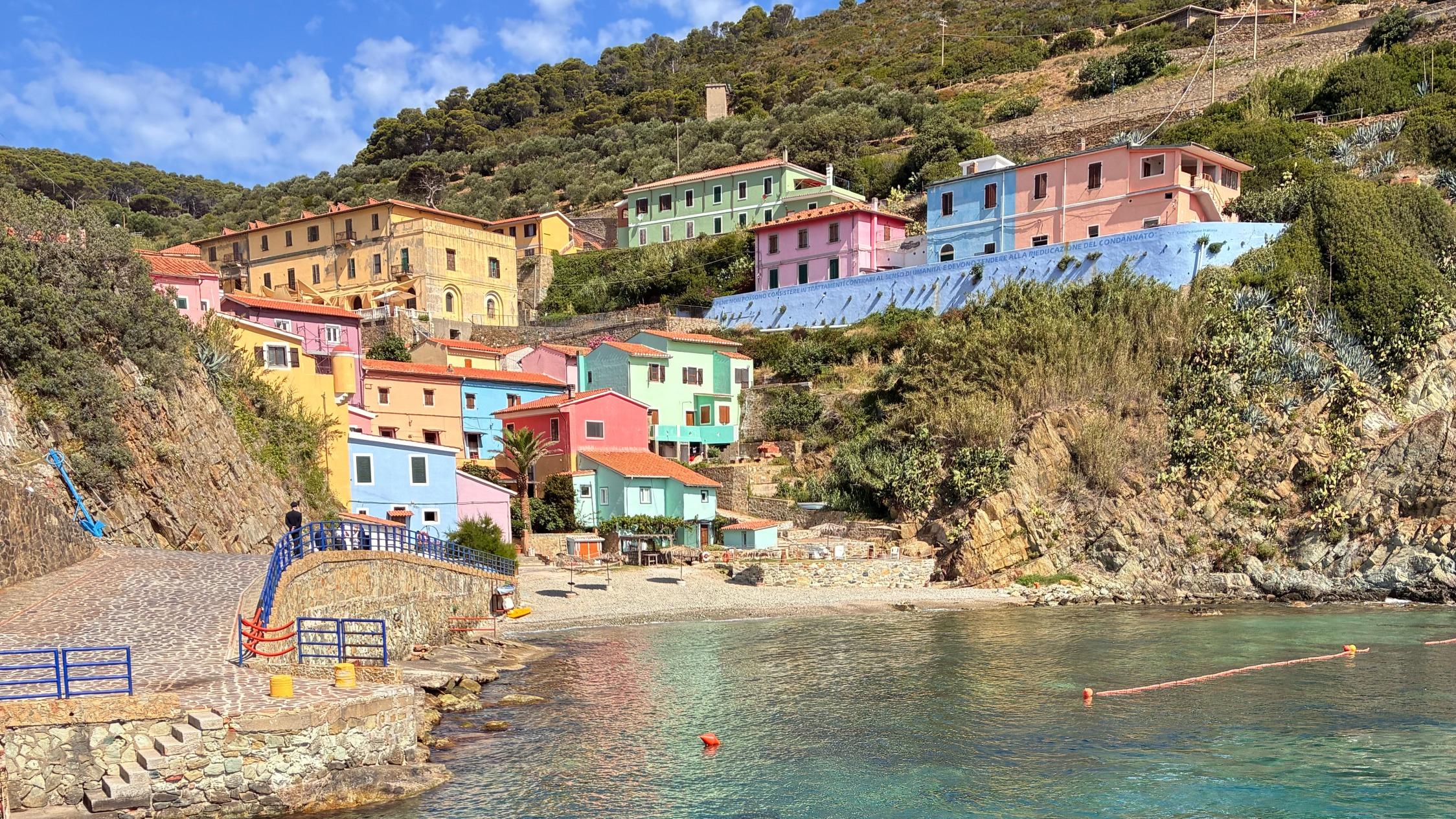
On Gorgona, Italy's last remaining island prison, inmates are engaged in viticulture as part of a rehabilitation program. This unique initiative aims to foster successful reintegration into society by involving prisoners in the cultivation of grapes and the production of highly regarded wine. The project is situated on what is described as one of the world's most atypical wine estates. The report highlights the dual life of these prisoners, who transition from their confinement at night to working the vineyards during the day. The ultimate goal of this program is to provide the inmates with valuable skills and a pathway towards a better future upon their release.
The Gorgona Island prison initiative exemplifies a novel approach to inmate rehabilitation by integrating vocational training within a productive agricultural setting. This model leverages the therapeutic and structured nature of farming, specifically viticulture, to foster discipline, teamwork, and a sense of purpose among prisoners. The production of a high-value product like wine not only contributes to the prison's operational capacity but also offers tangible economic incentives for the inmates and enhances their marketability post-release. Such programs, when effectively managed, can address recidivism rates by equipping individuals with employable skills and a renewed connection to societal norms, potentially serving as a replicable model for correctional facilities globally seeking to balance punitive measures with restorative justice principles.
AI-generated to prompt reflection — not editorial opinion, not advice, not a statement of fact. How this works.