Pritzker Prize: Smiljan Radić and the Shadow of a Surname
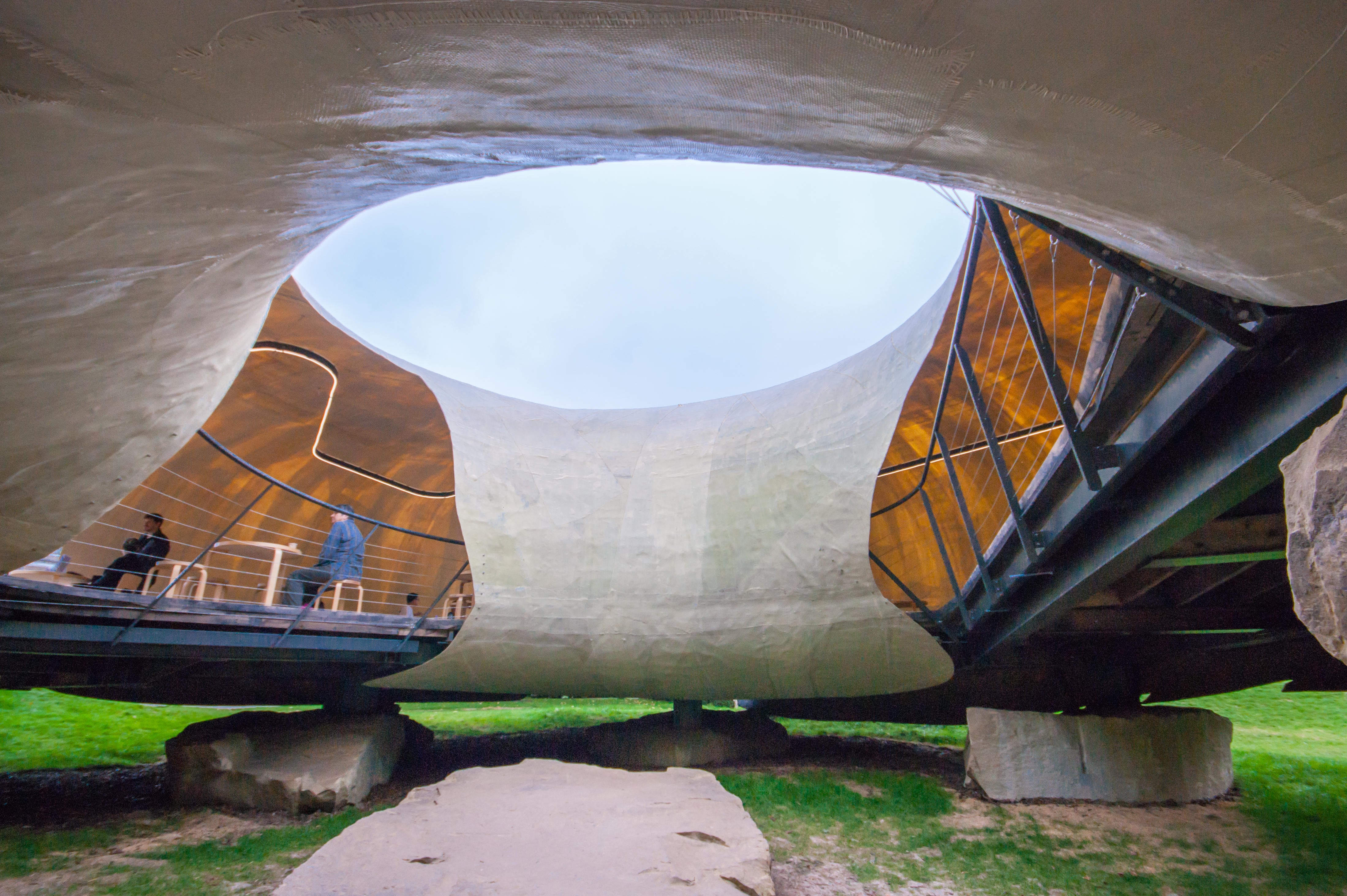
This year's Pritzker Prize in architecture highlighted the complex relationship between architect Smiljan Radić Clarke and the prestigious award itself. The article suggests that Radić needed the recognition from the Pritzker Prize more than the prize needed his participation. The headline also alludes to the influence of a surname, potentially referencing the broader context or legacy associated with the award and its recipients. The piece delves into the background and implications of Radić's selection, exploring the 'background noise' that often accompanies such high-profile accolades. It questions the reciprocal benefit of the Pritzker for the architect versus the institution. The context implies a discussion about the architect's career trajectory and how the Pritzker might serve as a catalyst or validation for his work. The article aims to unpack the significance of this particular award for Radić, considering his professional standing and the potential impact on his future endeavors. It touches upon the broader discourse within the architectural community regarding awards and recognition.
The Pritzker Prize, as architecture's highest honor, often sparks debate about the selection process and its impact on recipients' careers. This situation prompts an examination of how prestigious awards function within the creative industries. It raises questions about whether such accolades primarily serve to validate established figures or to propel emerging talents, and the inherent pressures and expectations that accompany them. The 'background noise' mentioned suggests that external factors, such as an architect's public profile or the influence of their professional network, may play a role in award considerations, beyond purely artistic merit. This dynamic can create a tension between the intrinsic value of an architect's work and the extrinsic validation provided by a major prize, influencing future projects and public perception.
AI-generated to prompt reflection — not editorial opinion, not advice, not a statement of fact. How this works.