Private Schools Challenge 2027 Holiday Law, Citing Autonomy Concerns
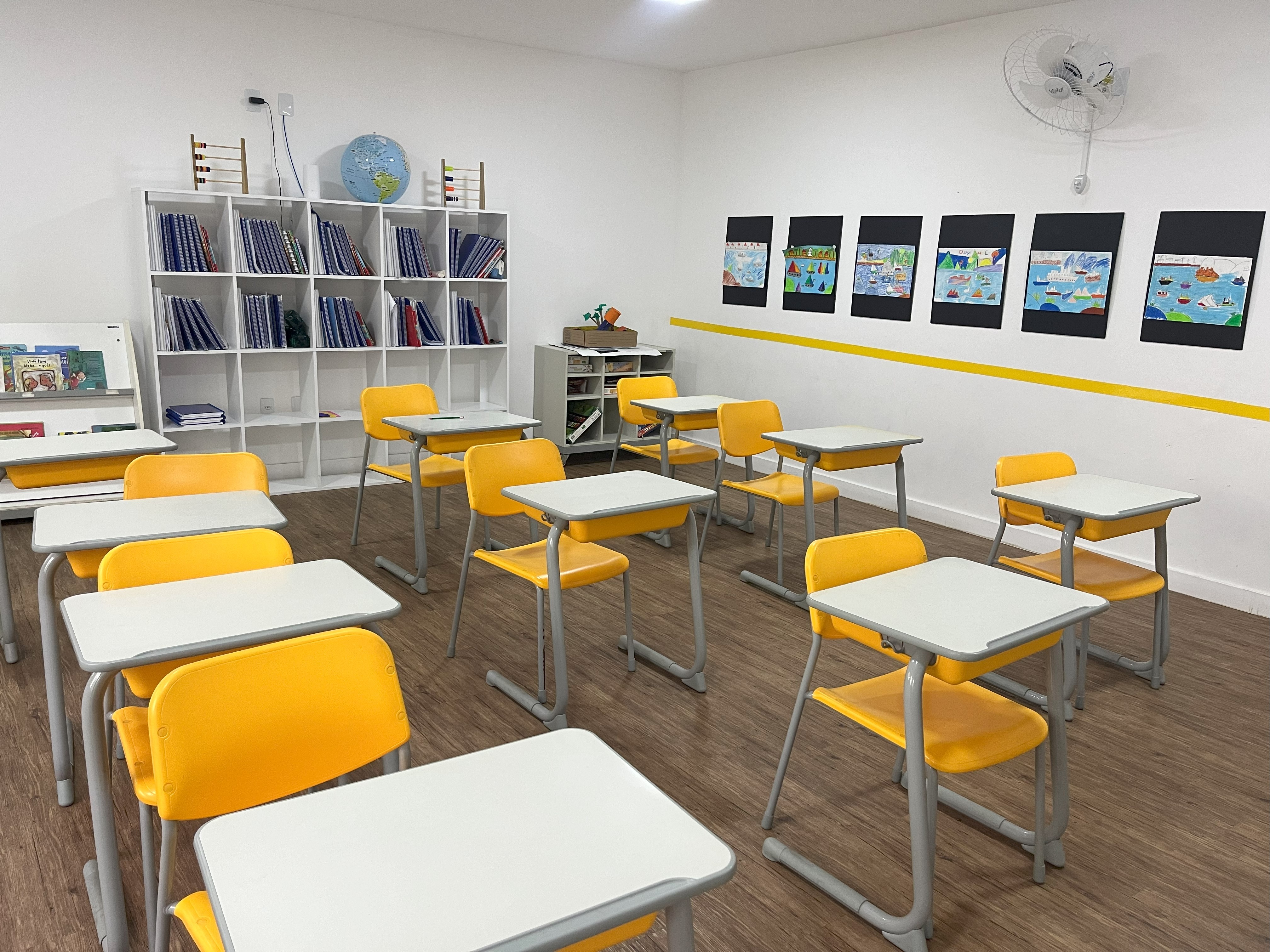
Private schools in Brazil are raising concerns about a new law mandating that school holidays align with the 2027 Women's World Cup, scheduled from June 24 to July 25. This directive, part of the General Law for the Women's Football World Cup, conflicts with the typical academic calendar where classes usually resume after mid-year breaks. The tournament will be hosted across eight major cities: Belo Horizonte, Brasília, Fortaleza, Porto Alegre, Recife, Rio de Janeiro, Salvador, and São Paulo. Educational entities argue that this law jeopardizes the minimum 200-day academic year requirement stipulated by the Law of Directives and Bases of Education (LDB). Amábile Pacios, president of the National Federation of Private Schools (FENEP), stated that the law cannot override the autonomy of private institutions or interfere with their established calendars. She emphasized that while states can manage public school schedules, this authority does not extend to private schools. FENEP asserts that the new regulation must respect the organizational autonomy and mandatory workload requirements of private educational institutions. The federation is prepared to take necessary actions, including legal recourse, if private school autonomy is violated. The Ministry of Education (MEC) has indicated that the matter is under review by the National Education Council (CNE), which will issue an opinion for the MEC's subsequent approval.
The Brazilian government's attempt to align school holidays with the 2027 Women's World Cup highlights a potential tension between national event management and the established autonomy of private educational institutions. While the intention may be to leverage the event for broader societal engagement, mandating calendar changes could be perceived as overreach, potentially disrupting established pedagogical structures and administrative independence. The legal challenge by FENEP underscores the importance of balancing public interest with institutional rights. Future policy development in this area might benefit from more collaborative frameworks that respect diverse stakeholder needs, ensuring that national objectives do not inadvertently undermine the operational integrity of private education. This situation also prompts reflection on how large-scale national events can be integrated into societal calendars without imposing undue burdens or creating conflicts with established legal and educational frameworks.
AI-generated to prompt reflection — not editorial opinion, not advice, not a statement of fact. How this works.