Private Universities Seek Full Tax Exemption, Easier Loan Access
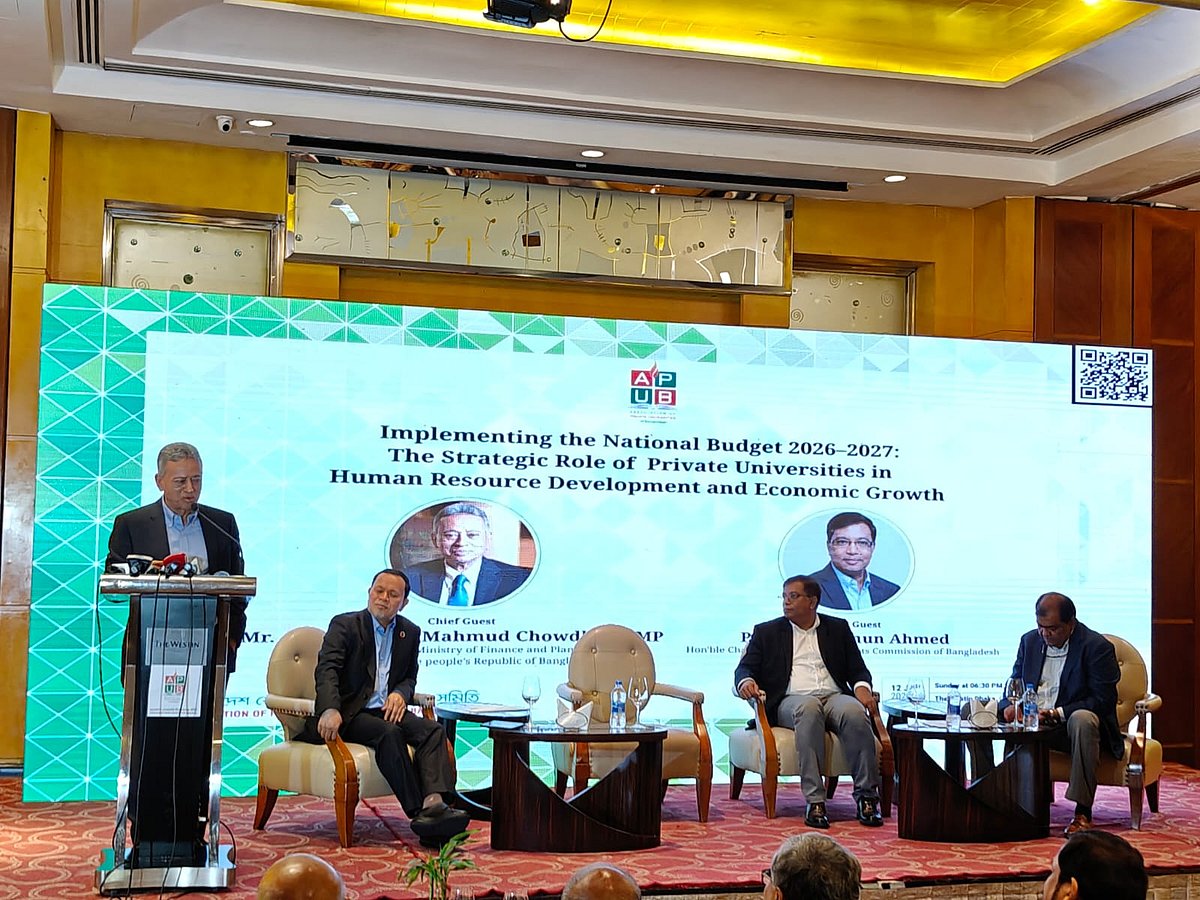
The Association of Private Universities of Bangladesh (APUB) has called for the complete withdrawal of income tax for private universities to enhance their role in developing skilled human resources, research, innovation, and job creation. The organization also requested access to loans for establishing their own campuses. Finance and Planning Minister A.M.A. Khairul Mohsin Chowdhury assured that the demands would be considered. The proposals were presented at a dialogue session held in Dhaka, where the minister was the chief guest and the University Grants Commission (UGC) Chairman was a special guest. Minister Chowdhury acknowledged that reducing the income tax from 10% to 5% was challenging due to economic realities, but stated the decision was made for the budget, and its utilization by universities is now crucial. He urged universities to maintain quality and avoid questions regarding their degrees and standards, encouraging them to lead in research. APUB Chairman Md. Sabur Khan thanked the minister for the tax reduction to 5% and expressed hope for its complete removal in the future, highlighting the difficulties in obtaining loans for land and building purchases for campuses. UGC Chairman Professor Dr. Kazi Shahidullah noted the increased education budget and emphasized that the quality of higher education in the country is paramount, regardless of whether institutions are public or private, suggesting improved local education could reduce overseas study. Speakers at the event stressed the importance of skilled human capital, research, innovation, and AI-driven knowledge economies for Bangladesh's future economic growth, with private universities ready to partner in these endeavors. APUB also submitted a policy paper proposing skill-based education, prioritizing graduate employment, strengthening industry-academia collaboration, expanding AI and data science education, enhancing internship programs, and initiating joint PhDs. The paper further advocated for attracting international students to position Bangladesh as a regional higher education hub and reinforcing government-industry-academia partnerships. The association highlighted that private universities have been significant contributors to higher education for over three decades, investing in infrastructure and human resources through self-funding, and playing a vital role in developing skilled manpower, creating jobs, and contributing to the national economy.
The dialogue between private universities and the government highlights a persistent tension between the state's revenue needs and the sector's growth aspirations. While the government has made a concession by reducing corporate income tax on private universities, the sector's demand for complete exemption and easier access to capital for infrastructure development suggests a strategic push to further reduce operational costs and expand capacity. This move aligns with broader trends of increasing private sector involvement in higher education globally, driven by the perceived need for specialized skills and innovation. However, the analysis must consider the sustainability of this model: if private universities are to be key partners in national development, particularly in areas like AI and research, their financial structures and governance must ensure quality and accessibility are not compromised by profit motives or over-reliance on state concessions. The government's challenge lies in balancing support for private sector growth with its mandate to ensure equitable access to quality education and maintain robust regulatory oversight to prevent potential market failures or declines in educational standards.
AI-generated to prompt reflection — not editorial opinion, not advice, not a statement of fact. How this works.