Pro-Putin Russian Journalist Expelled from France Over Security Concerns
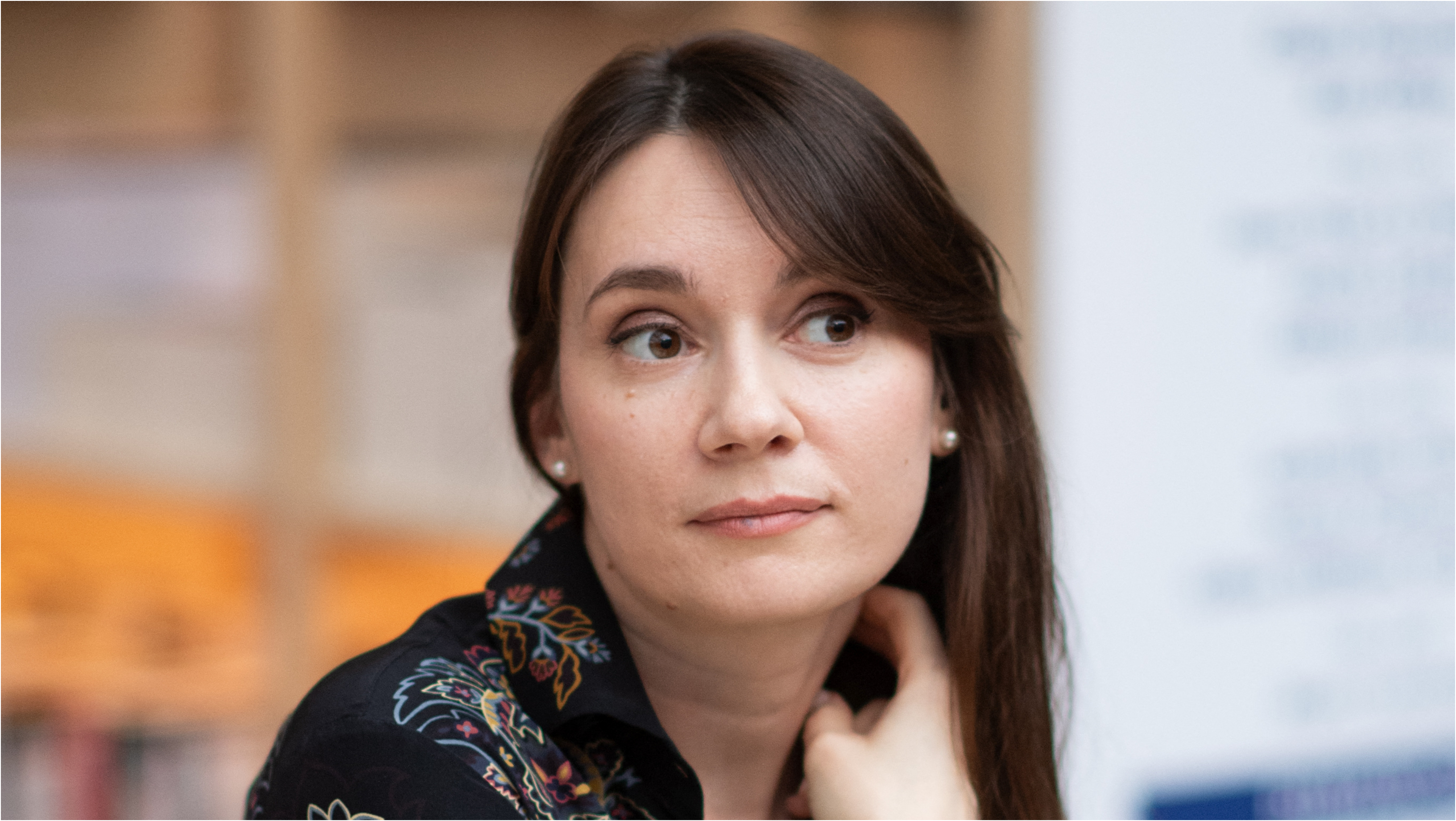
Xenia Fedorova, a Russian national known for her pro-Kremlin views and frequent appearances on French television, has been ordered to leave France. She has been declared a threat to national security by French authorities. Fedorova previously headed the French branch of Russia's RT propaganda network. Her media presence was notably amplified through appearances on outlets owned by right-wing billionaire Vincent Bolloré. The decision to expel her has sparked division within France. Far-right groups have accused the government of censorship following the expulsion order. This event highlights the complex interplay between media, politics, and national security in the current geopolitical climate.
The expulsion of Xenia Fedorova from France, citing national security concerns, underscores the challenges governments face in managing foreign influence operations within their media landscapes. While the French government asserts its prerogative to protect national security, the ensuing accusations of censorship from certain political factions reveal a broader societal tension regarding freedom of expression versus state control. This situation prompts consideration of the mechanisms by which foreign state-aligned media can gain traction in Western public discourse and the potential impact on domestic political narratives. Moving forward, robust frameworks for media transparency and foreign influence disclosure will be crucial for maintaining an informed public and safeguarding democratic processes against potential manipulation.
AI-generated to prompt reflection — not editorial opinion, not advice, not a statement of fact. How this works.
