Proactive Prevention Key to Santiago Communes Withstanding Storms
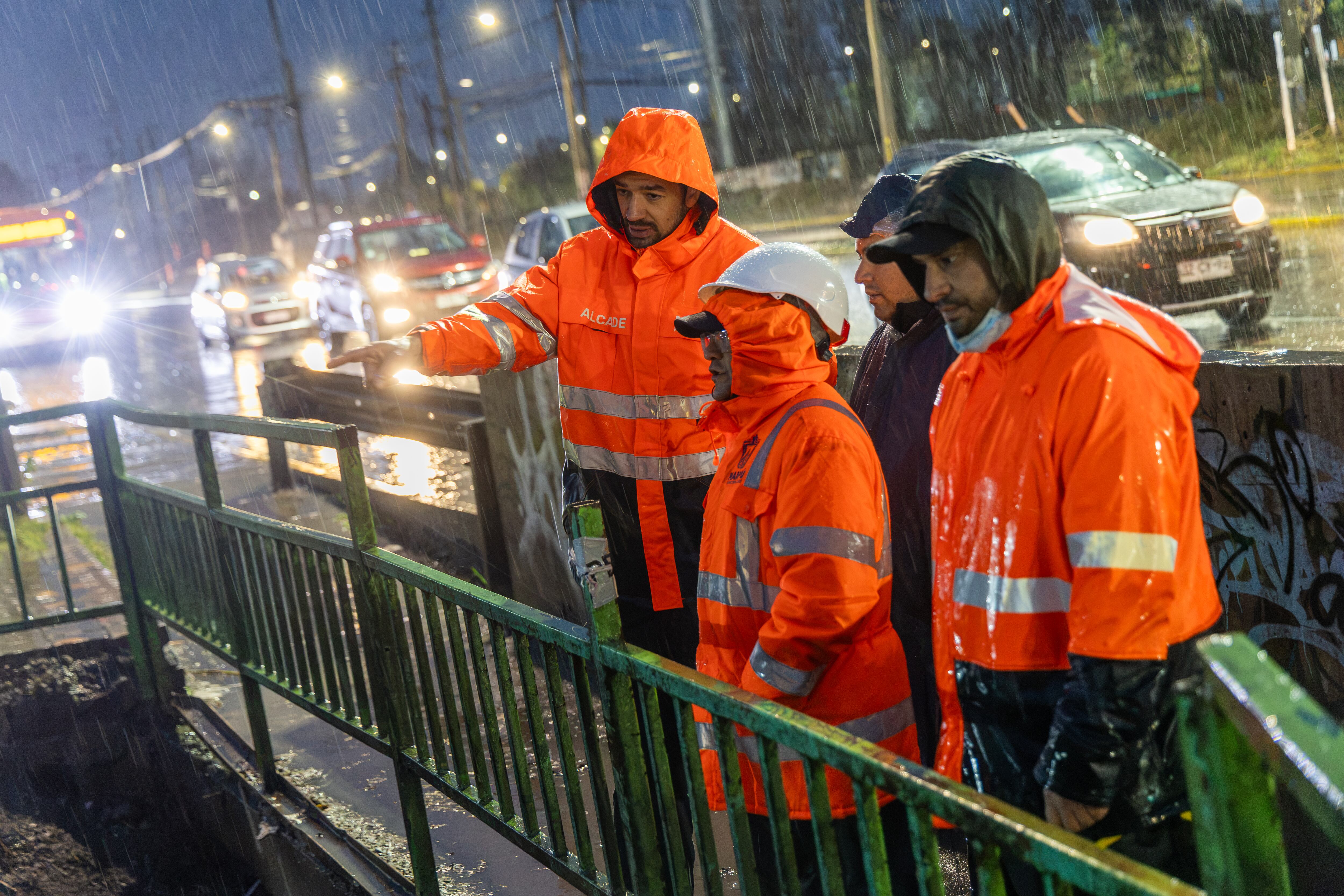
Following the most intense storm to hit the capital, municipal authorities agree that enhanced preventive measures were crucial for the city's successful navigation of the heavy rainfall. This approach contrasts sharply with experiences in previous winters, where similar weather events led to more significant disruptions.
The proactive strategy involved early preparation and mitigation efforts, which proved effective in minimizing the impact of the recent severe weather. The success of these communes highlights the importance of investing in robust disaster preparedness and response systems.
The effectiveness of proactive prevention in mitigating the impact of severe weather events in Santiago's communes underscores a broader systemic lesson. Investments in early warning systems, infrastructure resilience, and community preparedness can significantly reduce the societal and economic costs associated with climate-related challenges. As the region faces increasing climate volatility, a sustained focus on anticipatory governance, rather than reactive responses, will be essential for long-term stability and public safety. This approach not only safeguards against immediate damage but also builds a more resilient urban environment for the future.
AI-generated to prompt reflection — not editorial opinion, not advice, not a statement of fact. How this works.
