Probability Pitfalls: High Jackpots Entice, But Do Chances Truly Improve?
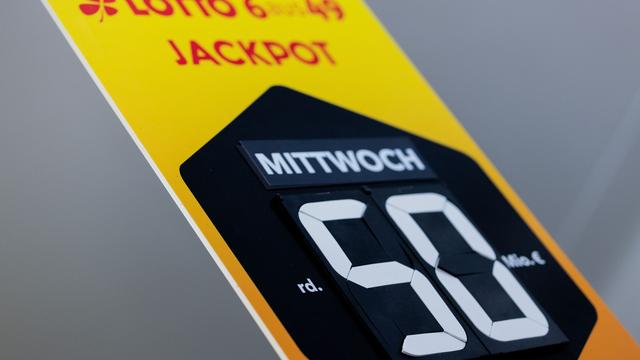
The allure of a high lottery jackpot can be misleading, as the actual probability of winning often remains astronomically low. While the prospect of a massive payout is enticing, players should be aware that the odds are typically fixed and do not significantly improve with the jackpot's size. This phenomenon highlights a common cognitive bias where the perceived value of a prize overshadows the extremely slim chances of obtaining it.
Lottery organizers often benefit from this perception, as larger jackpots tend to attract more players, thereby increasing ticket sales. This creates a cycle where the anticipation of a big win fuels participation, regardless of the statistical reality. Understanding the underlying probabilities is crucial for making informed decisions about playing the lottery, rather than being swayed solely by the size of the potential reward.
The psychological appeal of large lottery jackpots exploits a common human tendency to overweight potential gains while underweighting the probability of achieving them. This cognitive bias, known as 'probability neglect' or 'availability heuristic,' is frequently leveraged in marketing to drive consumer behavior. From a systemic perspective, lotteries operate on a model where a small number of individuals experience immense financial gain, while the vast majority contribute to a collective pool from which these prizes are drawn. This structure, while legal and widely accepted, raises questions about resource allocation and the societal impact of encouraging participation in activities with such low statistical success rates, particularly when compared to other forms of investment or saving.
AI-generated to prompt reflection — not editorial opinion, not advice, not a statement of fact. How this works.