Probe into Australia's First Anti-Corruption Chief Concludes
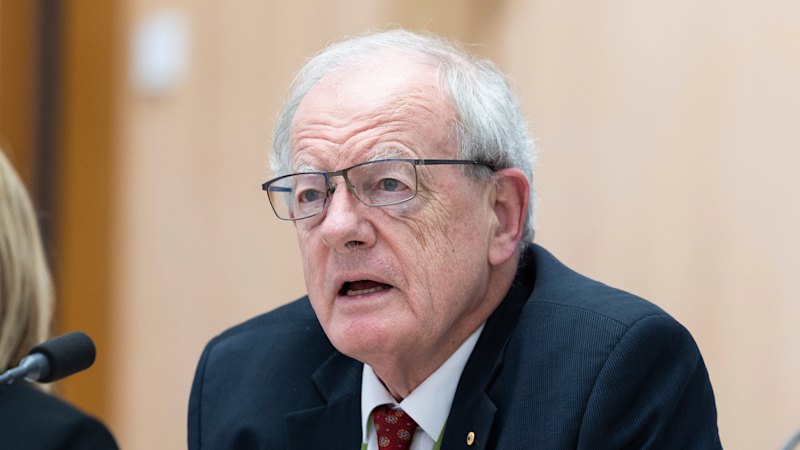
An investigation into the inaugural commissioner of Australia's National Anti-Corruption Commission (NACC), Paul Brereton, has been discontinued. The decision to end the inquiry marks the conclusion of a protracted saga that has spanned several years. This prolonged investigation has reportedly had a negative impact on public confidence in the NACC. The discontinuation of the probe means that Paul Brereton will not face further scrutiny in relation to the matters under investigation. The NACC was established with the aim of enhancing integrity and accountability within federal public service. The agency's effectiveness and public perception have been subjects of ongoing discussion. The conclusion of this specific inquiry is expected to allow the NACC to refocus its efforts on its core mandate. The duration and nature of the investigation have raised questions about the processes involved in overseeing such high-profile appointments. Public trust in anti-corruption bodies is crucial for their success, and the NACC will likely aim to rebuild this following the resolution of this matter.
The cessation of the inquiry into the NACC's first commissioner, Paul Brereton, concludes a significant period of scrutiny for the agency. While the investigation's termination may allow the NACC to move forward, the extended duration and its impact on public perception highlight systemic challenges in establishing and maintaining trust in new integrity bodies. Future governance structures could benefit from clearer protocols for handling investigations involving leadership positions, aiming to balance accountability with operational stability and public confidence. This event underscores the delicate equilibrium required between robust oversight and the functional capacity of anti-corruption agencies, particularly in the early stages of their development.
AI-generated to prompt reflection — not editorial opinion, not advice, not a statement of fact. How this works.