Process Engineering Principles Applied to Battery Electrolyte Design
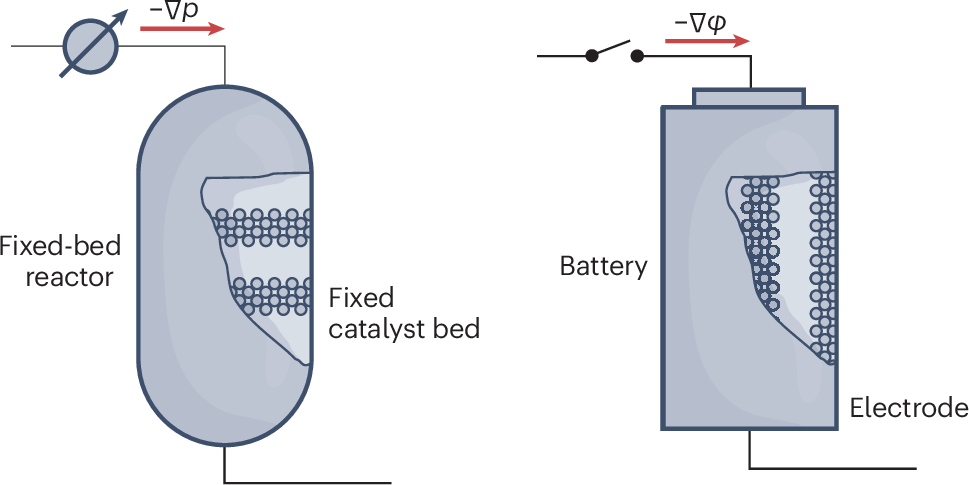
This document outlines the application of process engineering principles to the design of battery electrolytes. It focuses on how established engineering methodologies can be leveraged to optimize electrolyte performance and manufacturing. The core idea is to bring a systematic, quantitative approach to a field often reliant on empirical methods. Specific attention is given to the chemical and physical properties of electrolytes and how they can be controlled through precise engineering.
Applying process engineering principles to battery electrolyte design signifies a maturation of the field, moving towards more predictable and scalable production. This approach can enhance efficiency and reduce costs by optimizing material selection, reaction conditions, and purification steps. It also allows for better control over critical parameters like ionic conductivity, electrochemical stability, and safety. As the demand for advanced batteries grows, such systematic design methodologies will be crucial for meeting performance targets and ensuring reliable supply chains, potentially accelerating the transition to cleaner energy technologies.
AI-generated to prompt reflection — not editorial opinion, not advice, not a statement of fact. How this works.