Productivity is Key to a Stronger Euro, Says Finance Minister Pierrakakis
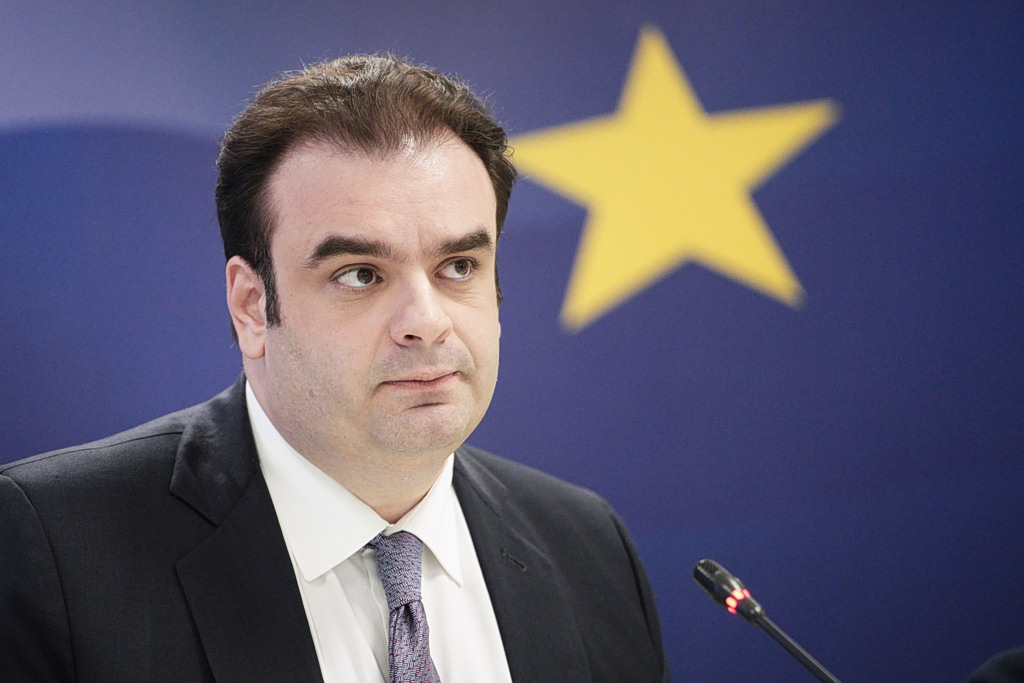
Kyriakos Pierrakakis, President of the Eurogroup and Greek Minister of Finance, stated that the euro's strength is intrinsically linked to the underlying economy. He emphasized that the euro cannot be more robust than the economic foundations supporting it. Pierrakakis made these remarks at the annual conference on the EU budget. He highlighted several critical areas that require attention to bolster economic performance and, consequently, the euro's stability. These areas include technological innovation, defense capabilities, energy security, capital markets, and social cohesion within the EU. The minister's comments suggest a focus on enhancing the productive capacity of the Eurozone economies as a primary strategy for achieving greater financial resilience and influence on the global stage. He implied that investments and policy decisions in these sectors are crucial for the long-term health of the European economy and its currency.
The statement by Minister Pierrakakis frames economic productivity as the fundamental determinant of the euro's strength, shifting focus from purely monetary policy to real economic output. This perspective suggests an incentive for EU member states to prioritize structural reforms and investments that enhance competitiveness and innovation. In the context of the evolving global economic landscape, particularly with the rise of AI and geopolitical shifts, strengthening the productive capacity of the Eurozone is crucial for maintaining its economic sovereignty and influence. The challenge lies in coordinating diverse national economies towards common productivity goals while respecting national specificities and ensuring equitable distribution of benefits.
AI-generated to prompt reflection — not editorial opinion, not advice, not a statement of fact. How this works.