Professional climbers deem winter Mount Fuji ascents acceptable, despite mayor's ban request
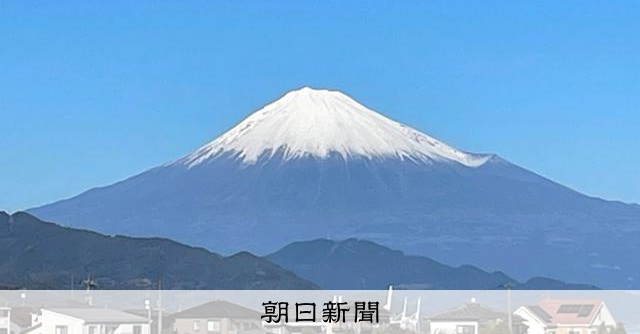
Professional climbers have stated that winter ascents of Mount Fuji are "acceptable," a stance that contrasts with the request from the mayor of Fujinomiya City, Shizuoka Prefecture, to prohibit such climbs. The mayor's call for a ban stems from concerns about safety during the harsh winter conditions on Japan's iconic peak. Mount Fuji, a UNESCO World Heritage site, typically sees its climbing season from July to September. However, a dedicated group of climbers ventures up the mountain during the off-season, braving extreme cold, heavy snow, and strong winds. These professional climbers argue that with proper preparation, equipment, and experience, winter ascents can be managed safely. They emphasize the importance of individual responsibility and preparedness for those attempting the climb outside the official season. The debate highlights a tension between promoting access to natural landmarks and ensuring the safety of those who wish to explore them in challenging environments. Fujinomiya City officials are expected to continue discussions on the matter, considering both the perspectives of experienced climbers and the potential risks involved.
The differing perspectives on winter Mount Fuji ascents reflect a broader societal negotiation between risk tolerance and safety regulation in recreational activities. While professional climbers emphasize individual preparedness and the 'acceptable' nature of risk with proper expertise, local authorities like the mayor of Fujinomiya prioritize public safety and the potential for costly rescue operations. This situation presents a governance challenge: how to balance the freedom of experienced individuals to pursue challenging activities against the state's responsibility to prevent foreseeable harm and manage resources. Future policy decisions may need to consider a tiered approach, perhaps allowing access for certified professionals under specific conditions while maintaining stricter prohibitions for the general public, thereby acknowledging both expertise and the inherent dangers of extreme environments in the context of evolving climate patterns and accessibility technologies.
AI-generated to prompt reflection — not editorial opinion, not advice, not a statement of fact. How this works.