Professional Termite Inspections: How They Work and Why They're Crucial
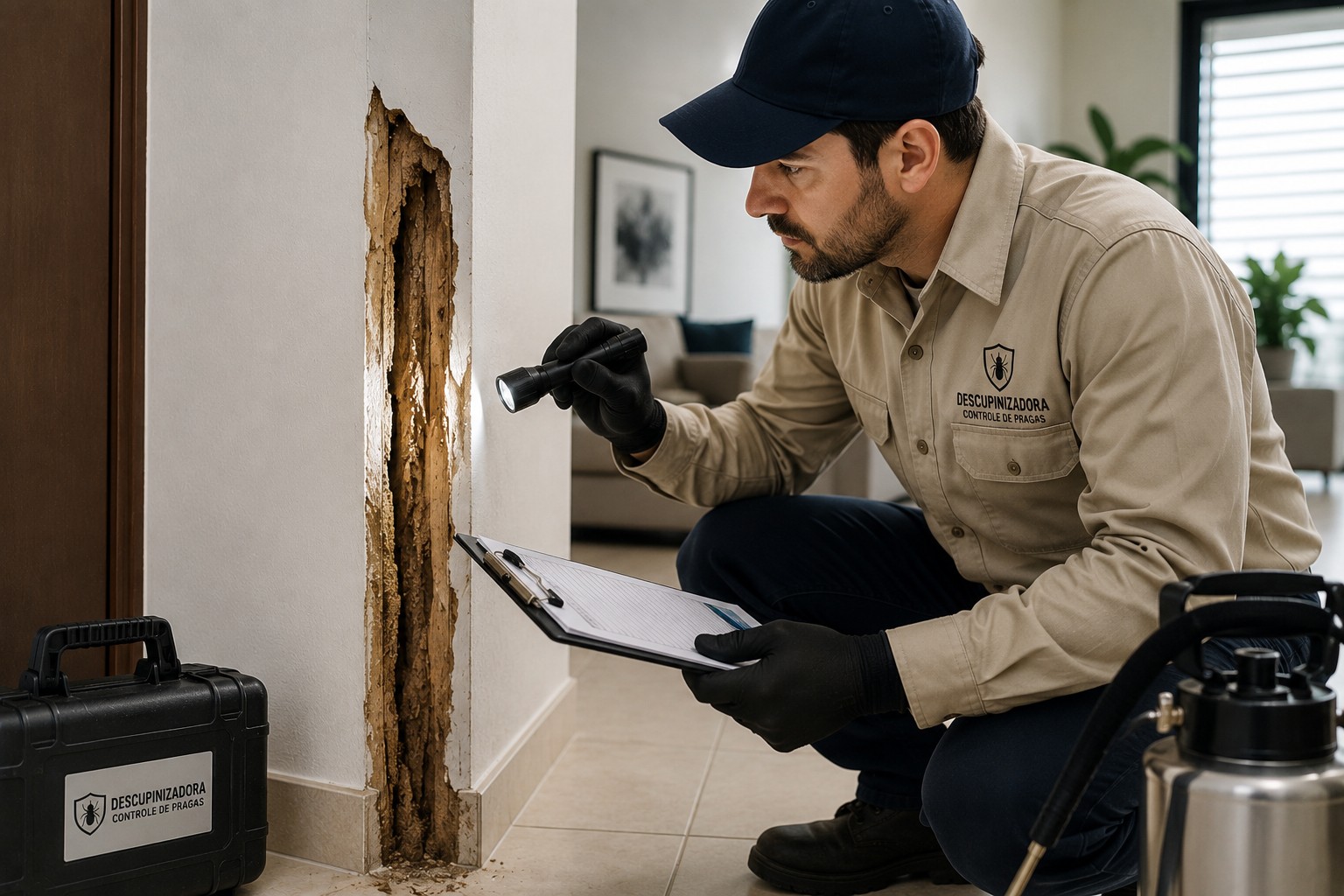
Many homeowners only realize they have a termite problem when they discover damaged furniture, hollow doors, or piles of sawdust-like debris. However, termites often infest a property for months or even years before any visible signs appear. Professional termite inspections are therefore a critical step in combating these pests, allowing for the identification of infestation origins, damage assessment, and the selection of the most effective elimination methods. According to Assis, an expert from Cupins SP, a technical inspection goes beyond simply noting visible damage, as termites operate hidden from view, and visible damage often represents only a fraction of the infestation. The inspection involves a detailed analysis of both interior and exterior areas, examining elements like built-in furniture, door frames, baseboards, ceilings, roofs, wooden structures, damp areas, gardens, and even walls and floors near identified hotspots. In commercial settings or condominiums, common areas and shared structures are also inspected. Specialists use visual checks alongside specific techniques to detect subtle signs, such as discarded wings after swarms, small holes in wood, insect-made tunnels, hollow-sounding wood, powdery residue, and structural changes in furniture. Identifying the specific termite species—such as drywood, subterranean, or arboreal termites—is crucial, as each requires a tailored treatment approach for effective colony elimination. Subterranean termites, in particular, are highly destructive and can compromise entire structures unnoticed. The duration of an inspection varies by property size and complexity, typically taking less than an hour for a residence but potentially longer for larger buildings. Following the inspection, a diagnosis is provided, detailing infestation locations, severity, structural risks, affected areas, and recommended treatment methods, enabling a strategic approach to extermination and preventing further damage. A significant point to note is that subterranean termite colonies can remain active and undetected for years, silently consuming wood and cellulose-based materials, making early professional detection vital to prevent irreversible damage like wood rot, document loss, or even electrical short circuits.
The hidden nature of termite infestations underscores the importance of proactive, professional inspections over reactive responses to visible damage. While the immediate concern is property preservation, the long-term implications involve structural integrity and potential health hazards from mold growth in compromised materials. The varying species and their distinct behaviors necessitate specialized knowledge for effective eradication, highlighting a systemic challenge in pest control where generic approaches can be ineffective. This situation presents an opportunity for technological advancements in early detection, such as acoustic sensors or thermal imaging, to complement traditional inspection methods. Furthermore, public awareness campaigns could shift the paradigm from damage-driven intervention to preventative maintenance, reducing the economic and structural burden of these silent invaders over the next decade.
AI-generated to prompt reflection — not editorial opinion, not advice, not a statement of fact. How this works.