Professor Abul Kasem Fazlul Haque: Young Leadership is Key to Bangladesh's Future
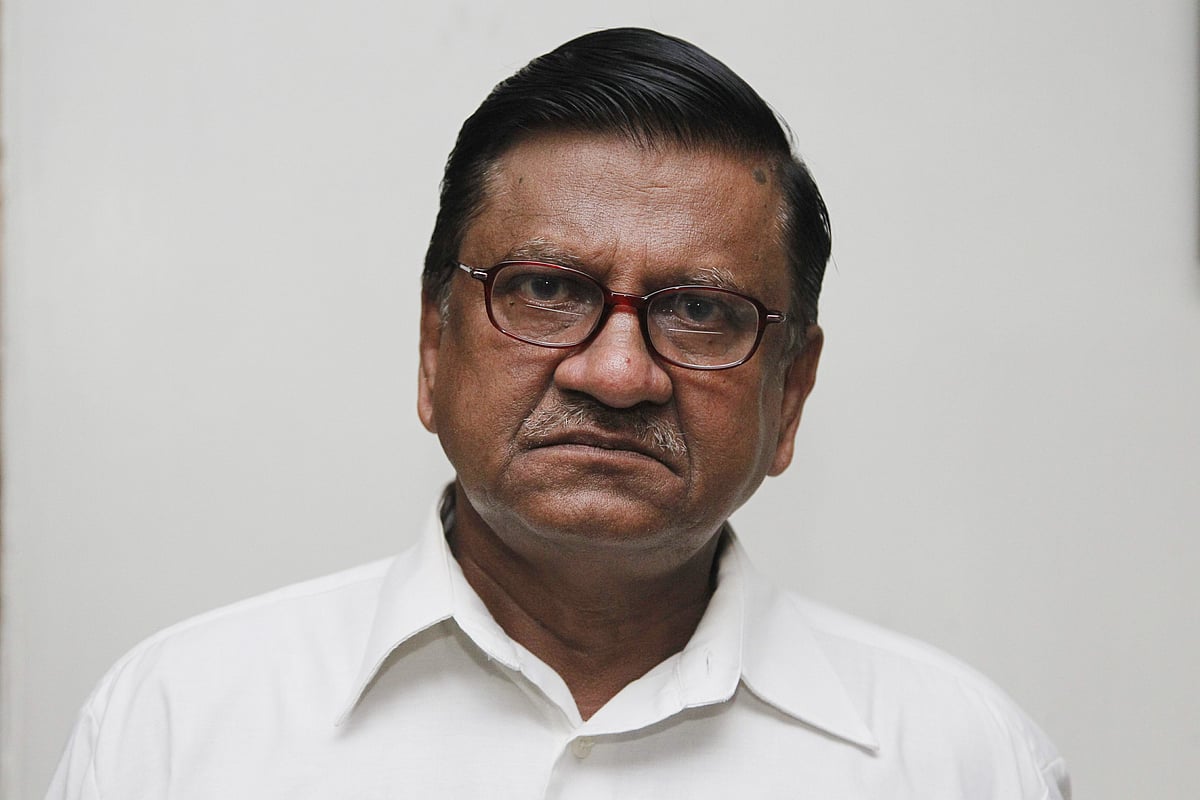
Professor Abul Kasem Fazlul Haque, an esteemed academic and social analyst, has passed away. Known for his insightful writings on national consciousness and political thought, his notable works include 'Muktisangram' and 'Moral Consciousness: Religion and Ideology.' A posthumous interview, originally published on his 83rd birthday on September 30, 2022, reveals his perspectives on Bangladesh's challenges and potential. Professor Haque believed that while humanity faces recurring crises, it also possesses the capacity to overcome them through collective effort. He observed that despite advancements in science and technology leading to increased global wealth, a lack of fairness prevents all people from living with dignity. He criticized the persistent geopolitical conflicts and the failure of major global powers to advance humanistically, citing the Ukraine war as an example of continued adversarial mindsets. Domestically, Professor Haque identified political and cultural crises as Bangladesh's primary issues, lamenting the early struggles to establish a robust democratic system, even recalling the disruption of student union elections in 1973. He expressed hope for the future, emphasizing that the nation's potential can only be realized with the emergence of dynamic young leadership. He advocated for young people to step forward, learn from the experience of their elders, but ultimately act with their own intellect and conviction, drawing parallels to historical youth movements. Professor Haque also critiqued political parties for failing to present people-centric programs, noting that recent movements have lacked concrete solutions for the populace.
This interview with Professor Abul Kasem Fazlul Haque offers a critical perspective on Bangladesh's governance and societal development, framing the nation's future success as intrinsically linked to generational leadership transition. The analysis suggests that while historical context and the wisdom of elders are valuable, a stagnation in political and social progress may be attributed to an over-reliance on established, potentially outdated, leadership structures. The professor's call for young leaders to emerge and drive change, while acknowledging the need for their organizational development, highlights a systemic challenge in fostering new political and social paradigms. This dynamic reflects a broader global trend where established institutions grapple with adapting to the evolving expectations and capabilities of younger generations in an increasingly complex, interconnected world. The interview implicitly questions whether current political and social frameworks are sufficiently agile to harness the innovative potential of youth, suggesting a need for structural reforms that empower emerging leaders and encourage forward-thinking policy development.
AI-generated to prompt reflection — not editorial opinion, not advice, not a statement of fact. How this works.