Professor Amath Ndiaye Distinguishes Hidden Debt from Odious Debt
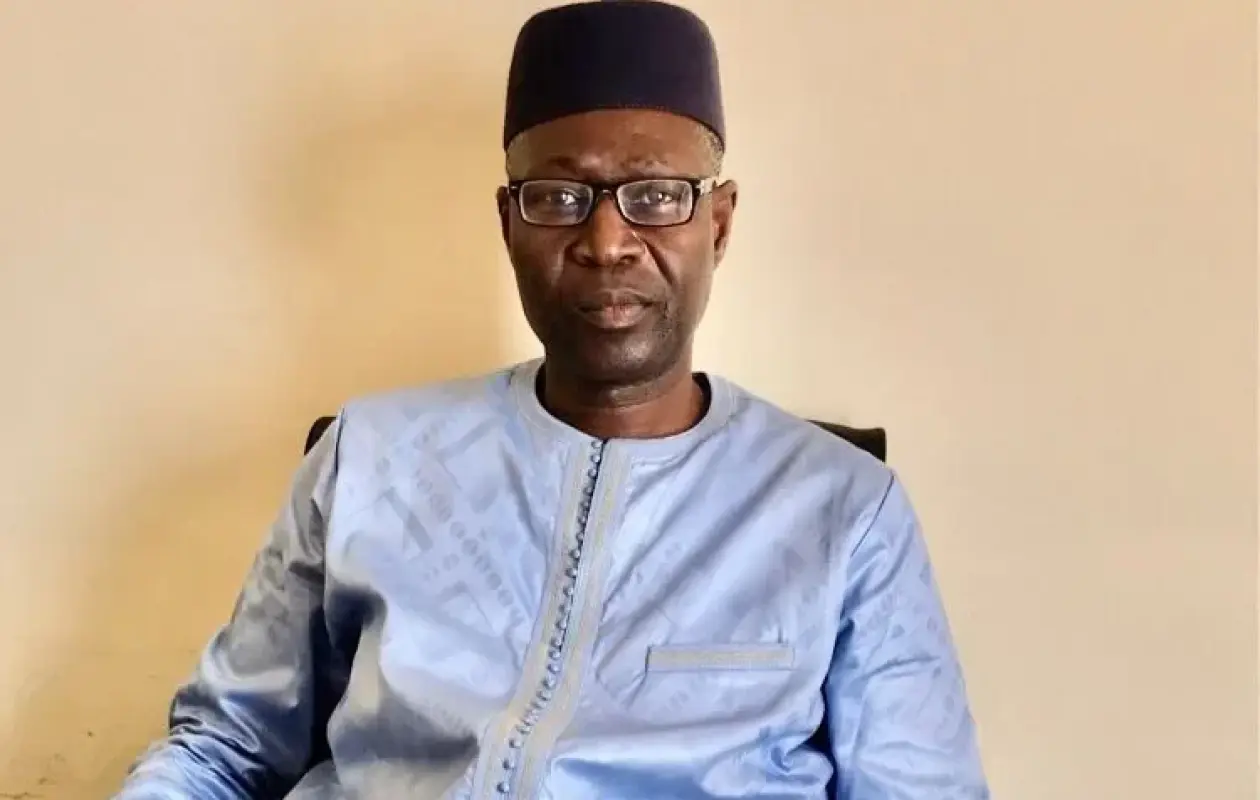
Professor Amath Ndiaye has clarified the distinction between hidden debt and odious debt, a topic often conflated in discussions surrounding Senegal's national debt. Recent reports from the Court of Accounts and the International Monetary Fund (IMF) revealed a hidden debt amounting to $7 billion. However, neither of these institutions has officially labeled this debt as 'odious.' Professor Ndiaye's intervention aims to provide a precise understanding of these financial terms. He emphasizes that the mere discovery of a hidden debt does not automatically classify it as odious. This distinction is crucial for legal and economic analysis, particularly concerning the responsibilities and potential repudiation of national debts. The context of how the debt was incurred and for whose benefit are key factors in determining its odious nature, separate from its hidden status.
The revelation of a $7 billion hidden debt in Senegal, as reported by the Court of Accounts and the IMF, highlights critical governance and transparency challenges in public finance management. While the term 'odious debt' carries specific international legal implications, often linked to debts incurred by an illegitimate regime without the people's consent or for their benefit, its application requires careful consideration of historical context and intent. The distinction Professor Ndiaye draws is vital; a hidden debt, while indicative of poor fiscal oversight, does not inherently possess the characteristics of an odious debt. This situation prompts an examination of institutional accountability mechanisms and the potential for future reforms to enhance debt transparency and prevent the accumulation of undisclosed financial obligations. Understanding these nuances is essential for Senegal's long-term economic stability and its engagement with international financial institutions.
AI-generated to prompt reflection — not editorial opinion, not advice, not a statement of fact. How this works.