Professor Assaulted on São Paulo Metro, Alleges Homophobia
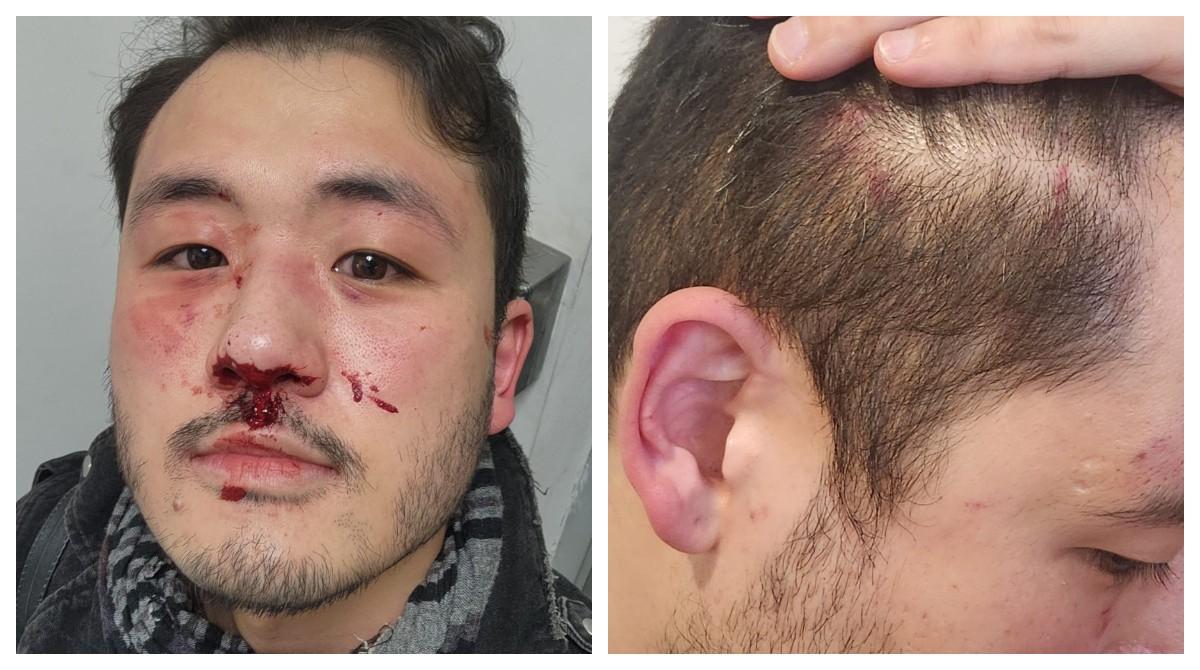
A 29-year-old professor, Ricardo Akira Matsufuji, was severely beaten by a passenger on the Linha 5-Lilás of the São Paulo Metro on Saturday, November 11th. Matsufuji was on his way to work when the assault occurred on the station platform. He alleges the attack was motivated by homophobia, stating the assailant shouted homophobic slurs and accused him of filming him inside the train car. The physical injuries sustained include cuts and bruises to his face and head, a perforated eardrum, and a fracture. Beyond the physical trauma, Matsufuji is experiencing psychological distress and fears encountering his attacker again on his commute. He described being kicked while reading on his phone, then pushed to the ground as the train doors opened at his stop. The assailant then proceeded to punch him, slam his head against the ground, and throw him against the station wall, while bystanders watched. Matsufuji managed to escape and run towards the escalator, where he received help from onlookers who corroborated the homophobic nature of the attacker's verbal abuse. Security personnel from the concessionaire, Motiva, arrived after the assault concluded and took both parties to separate rooms before escorting them to the UPA Vila Mariana. At the police station, Matsufuji claims the assailant had already left, and police initially refused to register the incident as homophobia, classifying him as both victim and perpetrator because the attacker also sustained a hand injury. The Secretariat of Public Security had not responded to inquiries regarding this classification and the refusal to register the hate crime by the time of reporting. Motiva issued a statement condemning the violence and stating they are cooperating with authorities, advising passengers to use intercoms for immediate assistance.
This incident highlights critical failures in public safety and the handling of hate crimes within São Paulo's transit system. The professor's experience suggests a breakdown in immediate response protocols, with bystanders intervening before security arrived, and a concerning reluctance by law enforcement to classify the assault as a hate crime despite clear allegations and witness accounts of homophobic slurs. The subsequent classification of the victim as a co-perpetrator, due to the assailant's own injury, raises questions about the investigative process and potential systemic biases. Moving forward, transit authorities and law enforcement must prioritize robust training on identifying and responding to hate crimes, ensuring victim support, and implementing transparent investigative procedures that do not inadvertently re-victimize those who have suffered discrimination and violence.
AI-generated to prompt reflection — not editorial opinion, not advice, not a statement of fact. How this works.