Professor Catches Over 30 Students Using AI with a Single, Identical Error
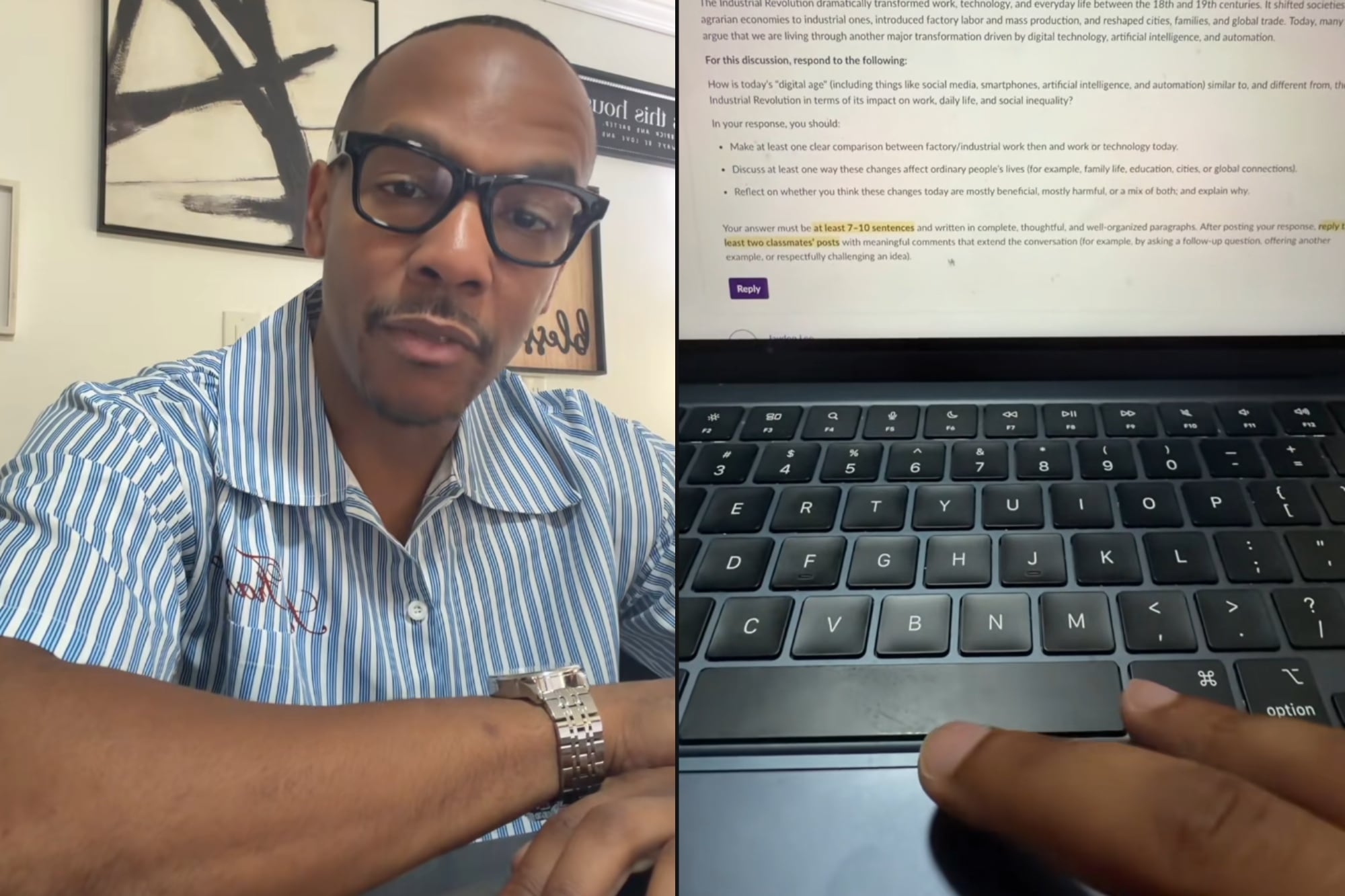
A professor successfully identified more than 30 students who utilized artificial intelligence in an exam by noticing a shared, identical mistake. The students' reliance on AI led them to fall into a specific trap set within the exam's instructions. This hidden prompt, designed to expose AI usage, revealed the extent of academic dishonesty among the students. The professor's clever method ensured that those who submitted AI-generated work were caught. This incident highlights a growing challenge for educational institutions in maintaining academic integrity in the age of advanced AI tools. The professor's strategy underscores the need for innovative assessment methods to counter the misuse of technology in learning environments. The discovery has prompted discussions about how to adapt educational practices to the capabilities of AI. The specific nature of the error is not detailed, but its uniformity across multiple students was the key to detection. This event serves as a cautionary tale for students about the risks of academic dishonesty.
AI's increasing accessibility presents a significant challenge to traditional academic assessment methods, creating an incentive for students to leverage these tools for assignments. This professor's innovative approach, while effective in this instance, points to a broader systemic issue: the arms race between AI detection and AI generation. Educational institutions must consider how to evolve pedagogical strategies and assessment frameworks to foster genuine learning rather than simply detecting plagiarism. Future-proofing education will likely involve integrating AI as a learning aid while designing tasks that require critical thinking, creativity, and application beyond AI's current capabilities. This incident may spur a re-evaluation of how academic integrity is defined and enforced in the digital age, encouraging a focus on process and understanding over mere output.
AI-generated to prompt reflection — not editorial opinion, not advice, not a statement of fact. How this works.