Professor Dies After Neck Injury from Kite String with "Cerol" in Rural São Paulo
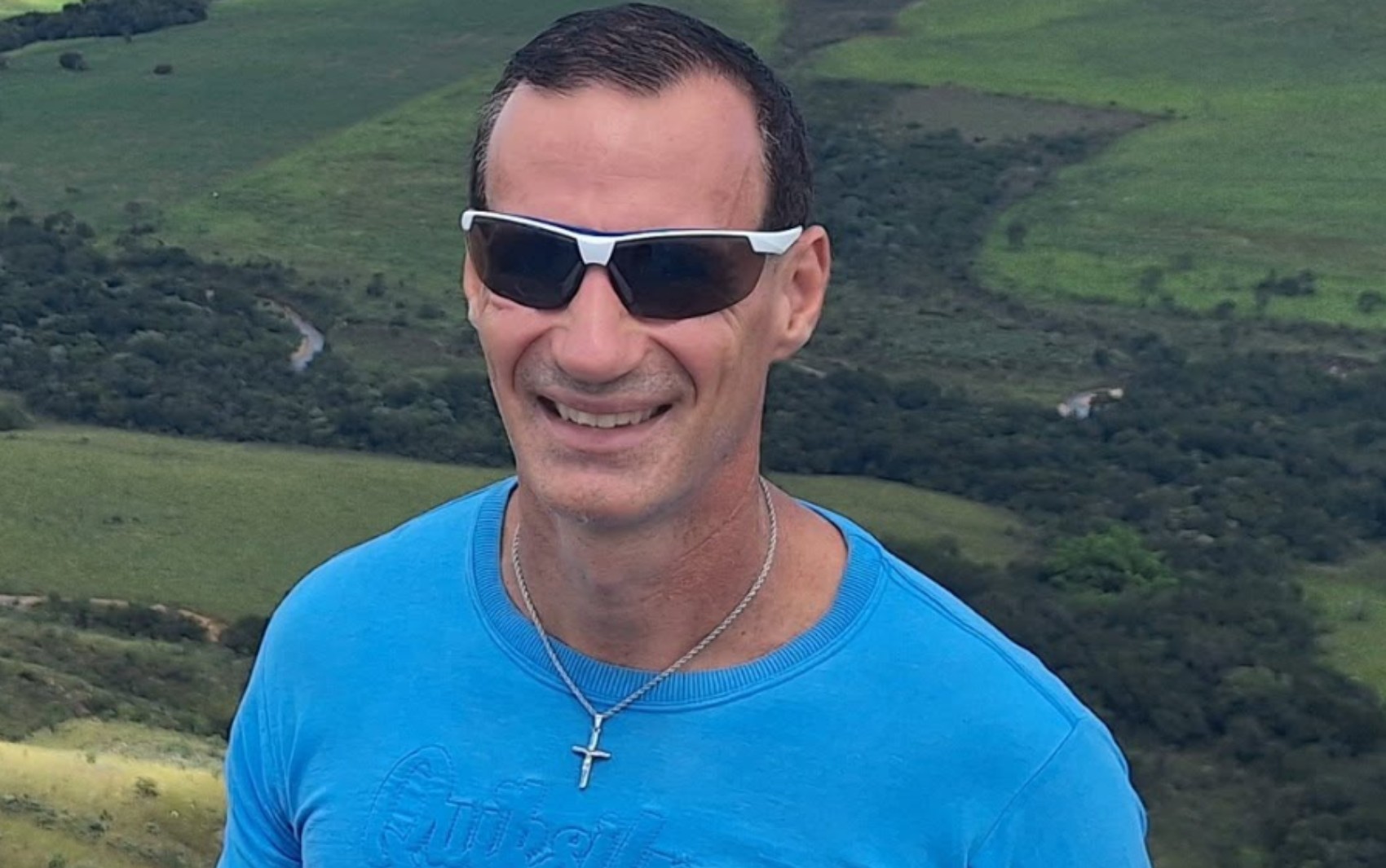
Fábio José Colombo, a 49-year-old computer science professor at ETEC Doutor Adail Nunes da Silva in Taquaritinga, São Paulo, tragically died on Sunday, July 12th. He was riding his motorcycle on a rural road near Santa Adélia when he was struck in the neck by a kite string coated with "cerol," a mixture of glass powder and glue used to cut kite strings. The incident occurred around 4:30 PM on the vicinal road Eloy Venâncio da Silva. Colombo, who had been teaching at the ETEC for 19 years, did not immediately realize he had been hit and died at the scene. The police have registered the case as a homicide and are investigating, though the rural area lacks security cameras that could have captured the event. Friends and colleagues have paid tribute to Colombo on social media, expressing shock and sadness. He was remembered as a nature enthusiast who enjoyed hiking and frequently shared photos from his travels in São Paulo and Minas Gerais. His last social media posts featured pictures from a trip to Capitólio, Minas Gerais, in early July. Colombo was also an active member of the Pastoral Litúrgica at the Paróquia São Sebastião in Taquaritinga, which issued a statement of condolence. His funeral and burial are expected to take place in Taquaritinga, where he resided with his family.
The tragic death of Fábio José Colombo highlights the persistent danger posed by the illicit use of "cerol" in kite flying, particularly in areas where regulatory enforcement may be challenging. This incident underscores a systemic failure to adequately address public safety risks associated with recreational activities that intersect with transportation infrastructure. The use of "cerol" represents a deliberate choice to weaponize kite strings, creating a hazard that disproportionately affects unsuspecting individuals like motorcyclists traveling on roads. Future efforts should focus on enhanced public awareness campaigns, stricter enforcement of bans on "cerol," and potentially technological solutions for monitoring and detecting its use. Addressing the root causes, including the availability of materials and the social acceptance of such dangerous practices, will be crucial in preventing similar preventable tragedies in the coming years.
AI-generated to prompt reflection — not editorial opinion, not advice, not a statement of fact. How this works.