Professor Djientcheu Nguemaleu to Lead CAMES Surgery Jury
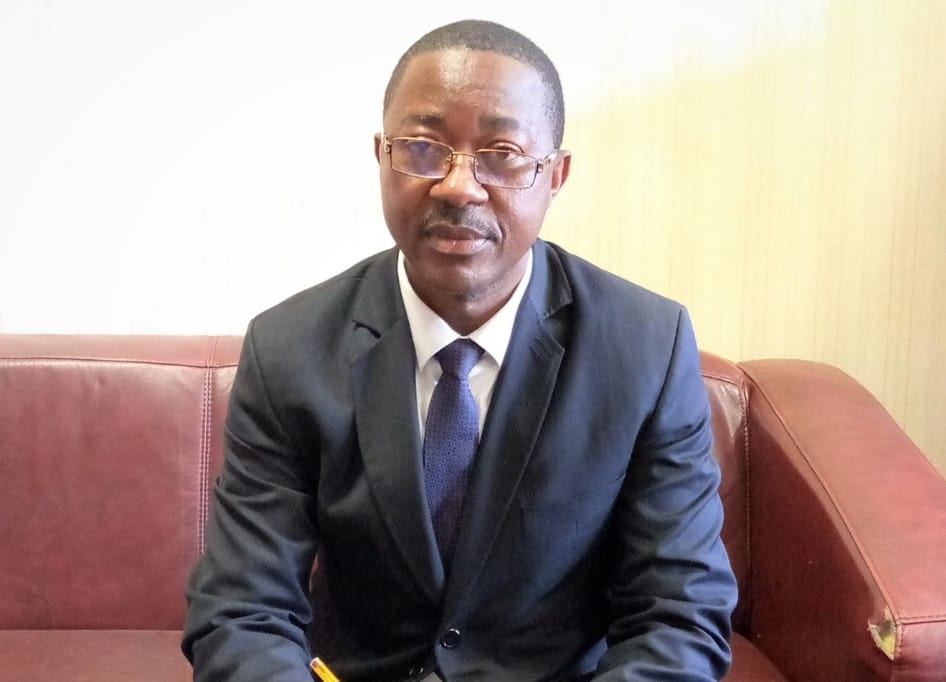
Professor Vincent de Paul Djientcheu Nguemaleu, a distinguished neurosurgeon and CAMES titular professor at the University of Yaoundé I, has been appointed to preside over the "Surgery and Surgical Specialties" jury for the 23rd Medical, Pharmacy, Odontostomatology, Veterinary Medicine, and Animal Production Aggregation Competition. This designation highlights his scientific expertise, academic achievements, and dedication to medical excellence. Professor Djientcheu Nguemaleu's leadership role underscores Cameroon's growing influence within the African and Malagasy Council for Higher Education (CAMES). The competition's examinations are scheduled to take place online and in Bangui, Central African Republic, between October and November 2026. As one of the continent's foremost neurosurgeons, his appointment reflects the high regard for Cameroonian academics within the African scientific community. His consistent quality of work, clinical proficiency, and commitment to training future medical specialists have established his reputation. Beyond his personal recognition, this nomination also emphasizes Cameroon's contribution to developing high-level medical expertise. By overseeing the evaluation of aspiring professors and lecturers in surgery, Professor Djientcheu Nguemaleu will play a crucial role in upholding the rigorous standards that underpin the credibility of the CAMES aggregation competition, a significant event for higher education and research in French-speaking Africa.
The appointment of Professor Djientcheu Nguemaleu to lead the CAMES surgery jury signifies a recognition of individual merit and institutional capacity within Cameroon's higher education sector. This event highlights the importance of peer review and expert-led evaluation in maintaining academic standards across African nations. The aggregation process itself is a critical mechanism for quality assurance, ensuring that faculty members meet stringent criteria for advanced teaching and research positions. In the context of an evolving global landscape, such regional collaborations are vital for fostering intellectual exchange and developing specialized expertise, potentially reducing reliance on external validation and strengthening indigenous academic frameworks for the next decade.
AI-generated to prompt reflection — not editorial opinion, not advice, not a statement of fact. How this works.