Professor Fatally Struck by Kite String with Ground Glass During Motorcycle Ride in São Paulo
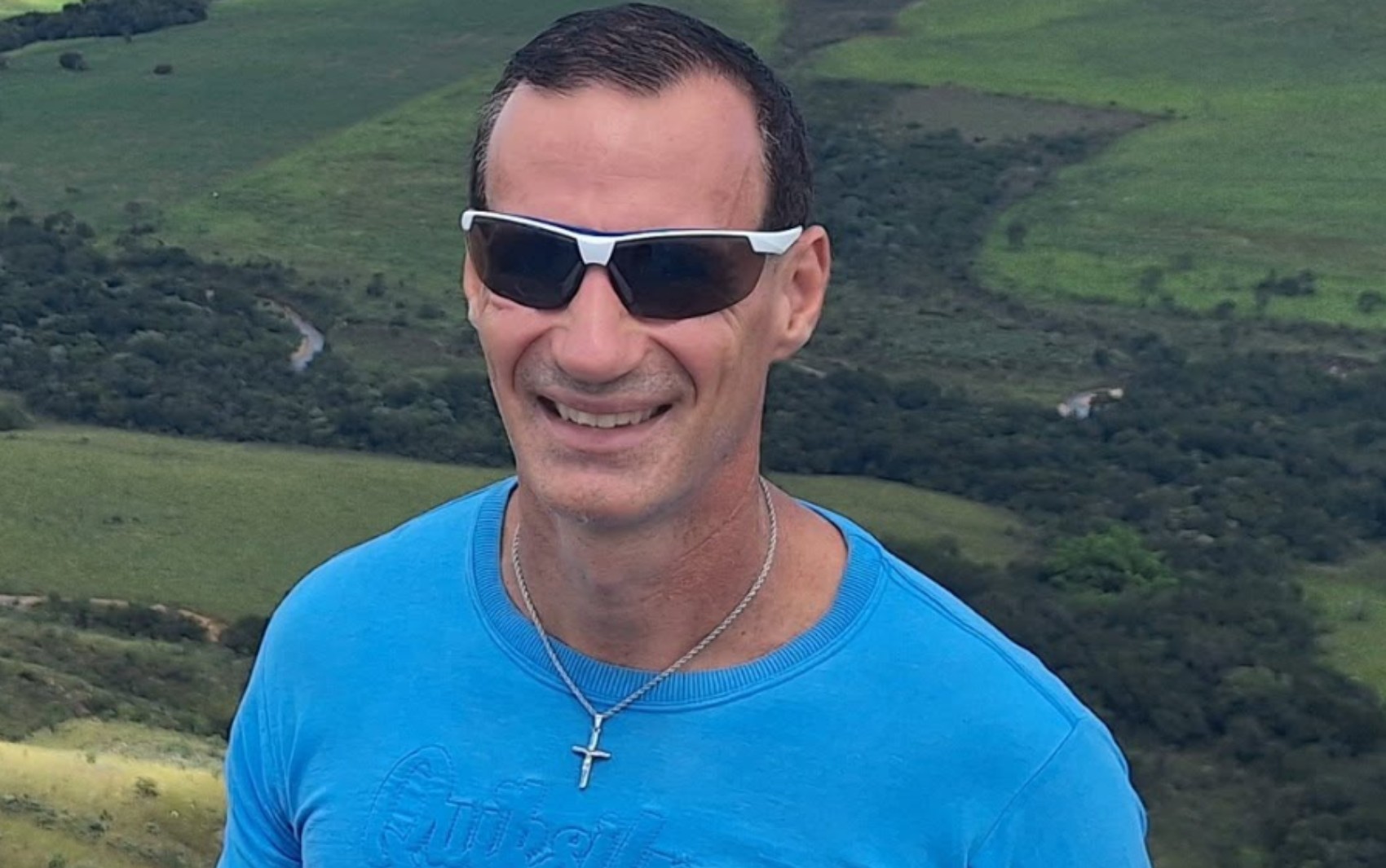
Professor Fábio José Colombo, 49, died on Sunday, May 12th, after being struck by a kite string coated with ground glass, known as "cerol," while on a motorcycle outing with friends. The incident occurred on a rural road in Santa Adélia, São Paulo, near Fernando Prestes. His son, Diogo Colombo, a computer technician, described his father as a "great father" and a "wonderful person" who taught him valuable life lessons. Fábio's funeral was held on Monday, May 13th, in Taquaritinga, marked by deep sorrow. Shortly before the accident, Fábio had shared his excitement with his son about finding an old motorcycle he desired to purchase, a shared passion they were pursuing together through vehicle restoration. Fábio was recognized for his philanthropic efforts, community involvement, and dedication to his church and school. Diego Gonçalves, president of the motorcycle club Fábio belonged to, lamented the loss of a "very dear person" who only intended to help others. The use of cerol, a mixture of glue and ground glass intended to cut other kite strings, is prohibited in many Brazilian states and municipalities due to its high risk of fatal accidents, particularly for motorcyclists, cyclists, and pedestrians. The case has been classified as homicide by the Civil Police, and no suspects have been identified. The use of cerol has been banned in the state of São Paulo since 2019. The rural area where the accident occurred lacks security cameras, preventing visual recording of the incident.
This tragic incident highlights the persistent dangers posed by the illicit use of "cerol" in Brazil, despite legal prohibitions and public awareness campaigns. The event underscores a systemic failure in enforcing regulations designed to protect public safety, particularly for vulnerable road users like motorcyclists. The continued prevalence of such hazardous practices in rural areas suggests a need for enhanced surveillance and community engagement strategies to deter the use of cerol. Future efforts should focus on understanding the underlying motivations for its use, potentially through educational programs and stricter penalties, to prevent similar preventable fatalities and ensure accountability for those who disregard public safety laws.
AI-generated to prompt reflection — not editorial opinion, not advice, not a statement of fact. How this works.