Professor fired for student harassment also faced prior sexual harassment case and served as deacon
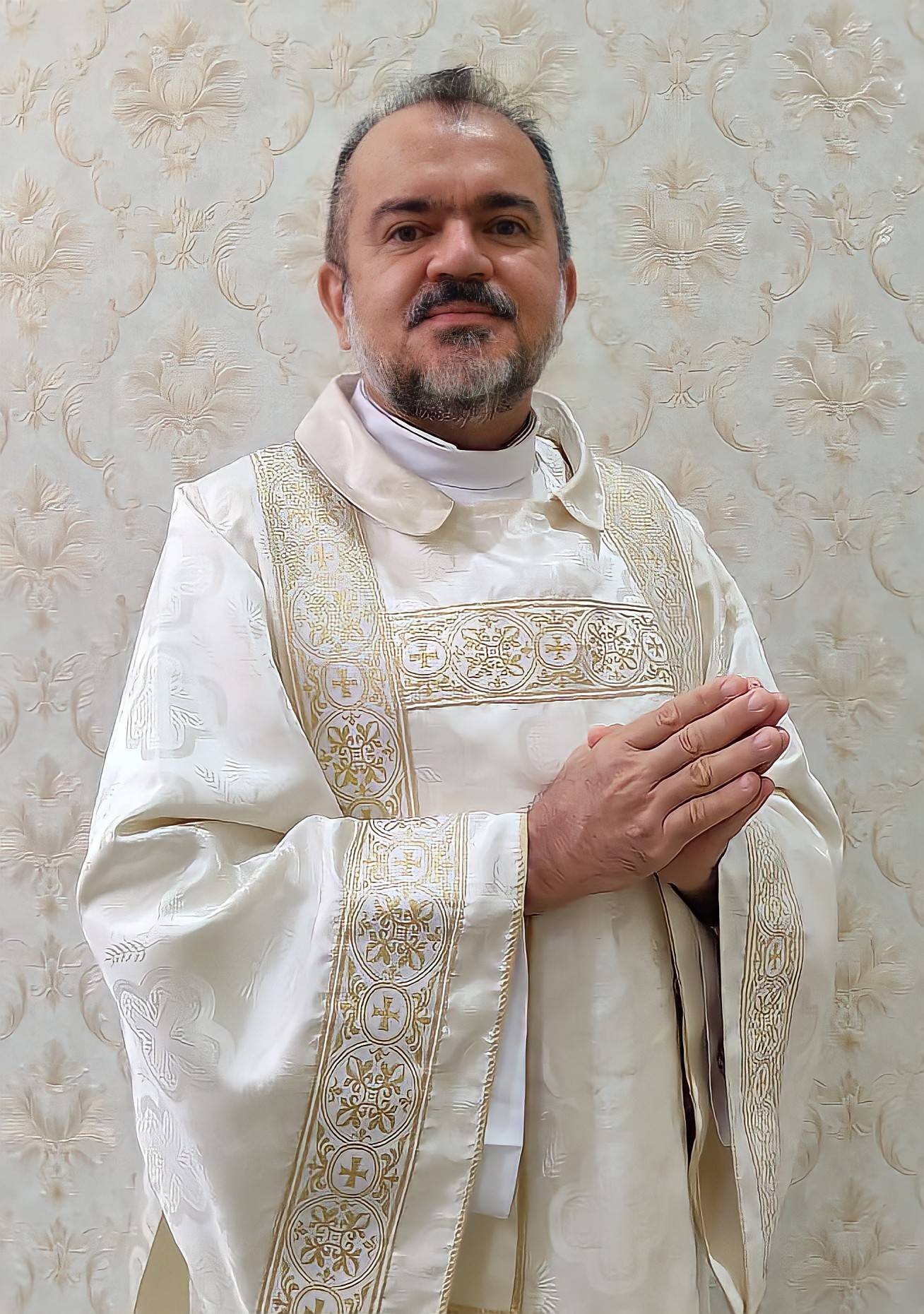
Antônio Lisboa Leitão de Souza, a professor at the Federal University of Campina Grande (UFCG), has been dismissed by the Ministry of Education (MEC) following an administrative disciplinary process that investigated sexual and moral harassment against students. Notably, Leitão de Souza also served as a deacon for the Diocese of Campina Grande, having been ordained in 2015 and leaving the role in May 2026, though the diocese did not disclose the reason for his departure. He had been a deacon for approximately 11 years. In 2017, Leitão de Souza faced a prior sexual harassment lawsuit involving two women. He was granted a conditional suspension of the process, which involved fulfilling community service and regular court appearances. Upon successful completion of these conditions, the case was dismissed. The MEC's decision to dismiss him, published in the Official Gazette, cited the use of his university position for sexual advances and moral harassment against students. Before his dismissal, he held the position of associate professor at UFCG and was a permanent member of the Graduate Program in Education. He also served on the Municipal Education Council of Campina Grande, including a term as vice-president from 2014 to 2016. The official notice did not specify the exact incidents or the timeline of the allegations, nor did it mention any criminal investigations. Efforts to reach Leitão de Souza's defense were unsuccessful. The UFCG's Permanent Commission for Administrative Disciplinary Processes stated that the case is under seal and awaiting a final administrative decision, which will then be sent to the university for implementation.
The dismissal of Professor Antônio Lisboa Leitão de Souza from UFCG, following an administrative process for alleged harassment, highlights the critical importance of robust institutional oversight and due process in academic environments. The revelation of a prior suspended sexual harassment case and his former role as a deacon introduces complexities regarding accountability and the potential for systemic failures in addressing misconduct. Future considerations for educational institutions and religious organizations should involve enhanced screening protocols, transparent reporting mechanisms, and swift, decisive action when allegations are substantiated. This situation underscores the ongoing challenge of balancing individual rights with the imperative to protect students and maintain the integrity of educational and religious communities, particularly in the context of evolving societal expectations around professional conduct.
AI-generated to prompt reflection — not editorial opinion, not advice, not a statement of fact. How this works.