Professor Kapila Warns of Famine for 30 Million Due to Iran Conflict
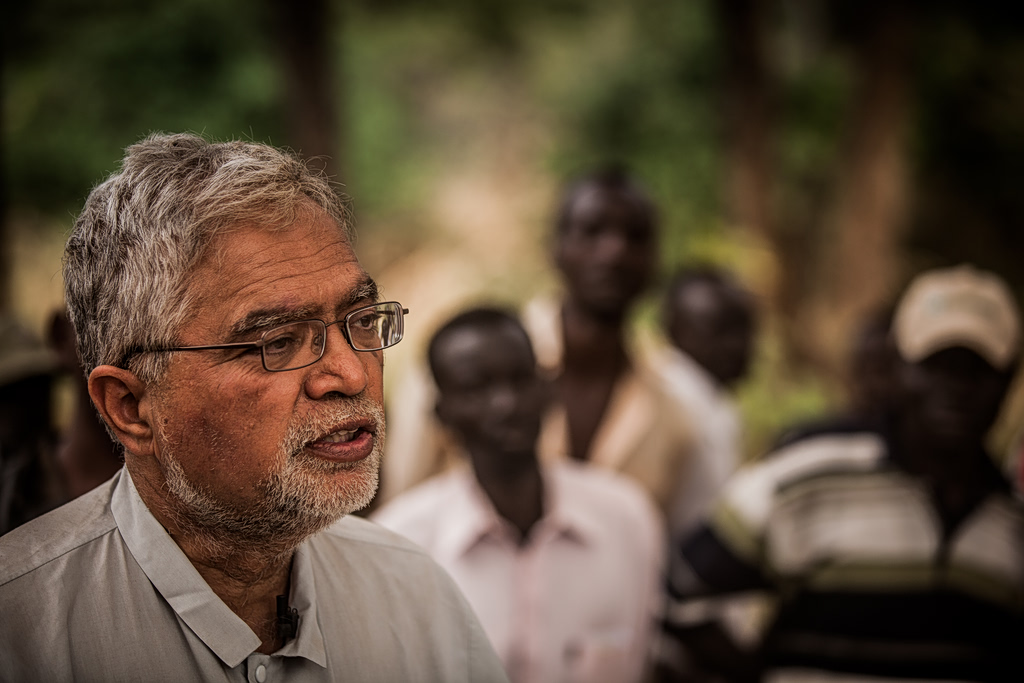
Professor Moukes Kapila, an expert in Global Health and Humanitarian Affairs, has issued a stark warning regarding a potential famine affecting 30 million people. He attributes this severe humanitarian crisis directly to the conflict in Iran and the subsequent closure of the Strait of Hormuz. Professor Kapila emphasized in an interview with "Ta Nea" that the scale of suffering caused by the blocked Strait of Hormuz is unprecedented. The situation highlights the critical role of this waterway in global food security and the devastating cascading effects of geopolitical instability. The professor's statement underscores the urgent need for international attention and intervention to avert widespread starvation.
The potential for widespread famine, as articulated by Professor Kapila, stems from the disruption of critical trade routes, specifically the Strait of Hormuz, due to conflict in Iran. This situation illustrates the profound interconnectedness of global supply chains and geopolitical stability. The economic and humanitarian consequences of such blockades can rapidly escalate, impacting food security for millions. Future geopolitical strategies must increasingly account for the systemic risks posed by choke points in global commerce, as disruptions can trigger cascading crises far beyond the immediate conflict zone. This event serves as a potent reminder of the fragility of international systems and the urgent need for robust diplomatic solutions to prevent such humanitarian catastrophes.
AI-generated to prompt reflection — not editorial opinion, not advice, not a statement of fact. How this works.