Professor Manolis Kogevinas: Adapting to Extreme Heat is a Top Priority
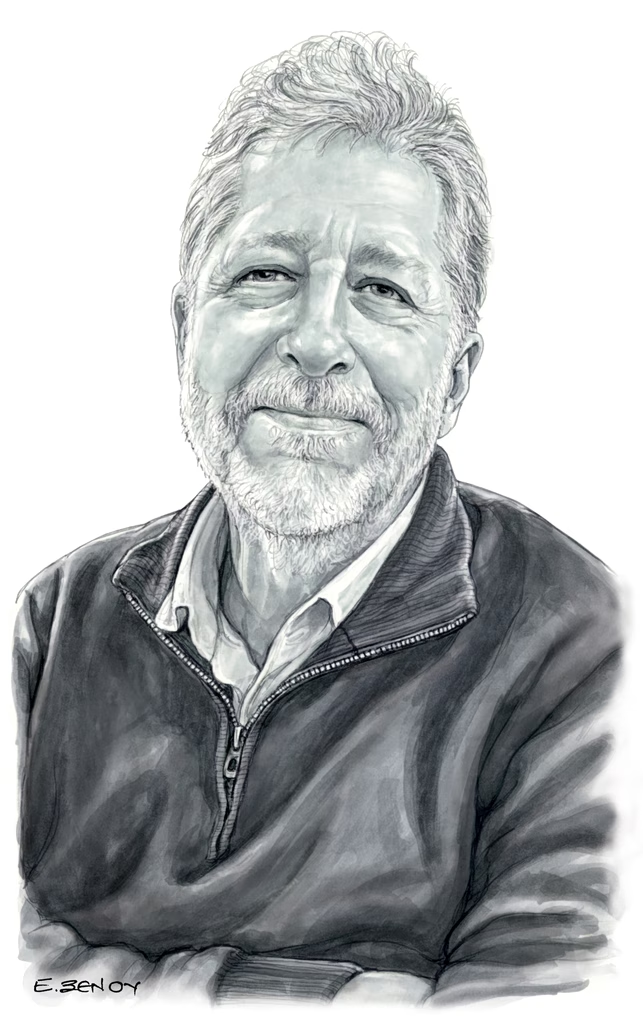
Manolis Kogevinas, an Emeritus Professor of Epidemiology, has emphasized that adapting to extreme heat is a fundamental priority. He discussed the significant health consequences stemming from various factors, including climate change, ongoing conflicts, night work, and atmospheric pollution. Kogevinas highlighted the disruption of our circadian rhythms as another critical element impacting public health. These interconnected issues pose substantial risks that require urgent attention and proactive strategies. The professor's insights underscore the multifaceted nature of modern health challenges, demanding a holistic approach to mitigation and adaptation. Addressing these factors is crucial for safeguarding individual and collective well-being in the face of evolving environmental and societal pressures. His perspective calls for a re-evaluation of public health strategies to incorporate these complex variables more effectively.
The convergence of climate change, geopolitical instability, altered work patterns, and environmental pollution presents a complex public health challenge. Professor Kogevinas's emphasis on adapting to extreme heat, alongside other stressors, highlights the need for resilient infrastructure and public health systems. Future-proofing societies will require integrated strategies that address both environmental degradation and the human biological response to these changes. Understanding the interplay between external factors and internal biological rhythms, such as circadian disruption, is critical for developing effective, long-term health policies that can withstand the pressures of the coming decades.
AI-generated to prompt reflection — not editorial opinion, not advice, not a statement of fact. How this works.