Professor mourns niece lost on Paraná trail, advocates for ecotourism safety
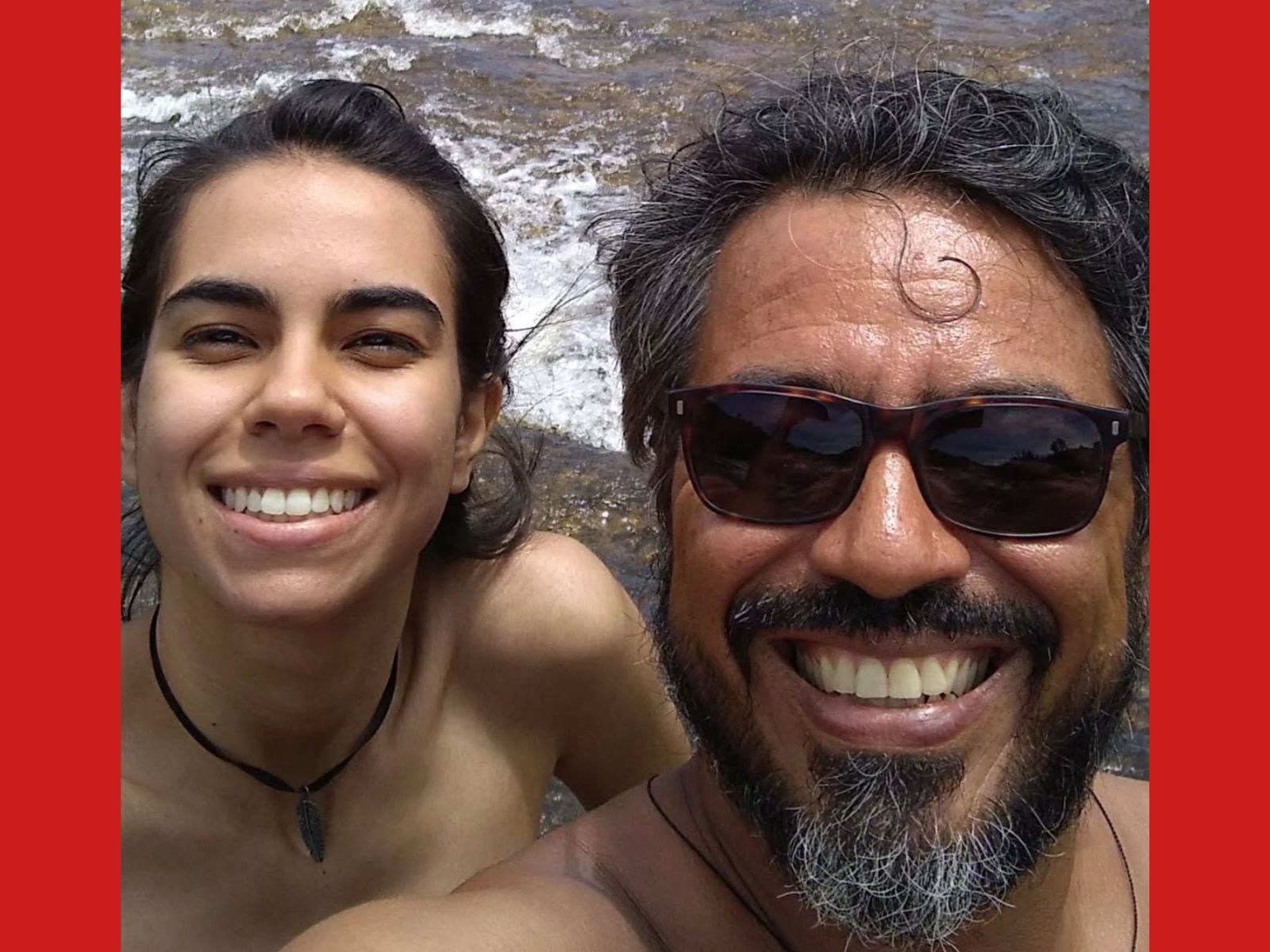
Marcos Silveira, a professor at the Federal University of Acre (Ufac), has paid tribute to his niece, 29-year-old photographer Ana Paula Silveira Cardoso, who died after disappearing during a hike in Sapopema, Northern Paraná. Professor Silveira shared memories of Ana Paula's deep connection to nature, photography, and adventure, emphasizing her kind and attentive nature. He stated that her life story should not be defined solely by her tragic accident. Ana Paula, a sociologist, viewed photography as an extension of her way of perceiving the world, capturing details often overlooked by others. Her uncle highlighted her simplicity and the genuine care she showed to those around her. The family shares a common passion for exploring new places and nature, which Professor Silveira described as an "adventure in the blood." He stressed that Ana Paula's love for adventure did not equate to recklessness, as she was a conscious and responsible individual. Professor Silveira also called for improved safety measures in ecotourism, suggesting the installation of informational signs, trail reviews, better risk signaling, and updated protocols to prevent similar incidents. He believes her story can contribute to positive changes in the industry, potentially saving other lives. Ana Paula's legacy, he affirmed, extends beyond her death, living on through her photographs and shared memories. The photographer disappeared on July 25 while hiking at Salto das Orquídeas with a friend, Ana Carolyne Camilo. They attempted to cross a river using ropes after recent rains, but Ana Paula slipped and was swept away by the current. Ana Carolyne managed to hold onto a rock and was rescued the next day with a fractured spine. Ana Paula's body was found on the morning of July 30 near a waterfall.
The tragic loss of Ana Paula Silveira Cardoso during an ecotourism activity highlights systemic challenges in outdoor recreation safety. While individual passion for exploration is valuable, the incident underscores the critical need for robust infrastructure and protocols in natural environments, especially in popular destinations like Salto das Orquídeas. The professor's call for improved signage, trail maintenance, and risk assessment addresses a gap in ensuring that adventure tourism can be pursued responsibly. Future considerations for ecotourism operators and regulatory bodies should include mandatory safety briefings, real-time communication systems, and potentially revised access policies for areas with inherent risks, balancing the desire for natural discovery with the imperative of public safety.
AI-generated to prompt reflection — not editorial opinion, not advice, not a statement of fact. How this works.