Professor Selim Raihan Appointed to Transparency International Bangladesh Board
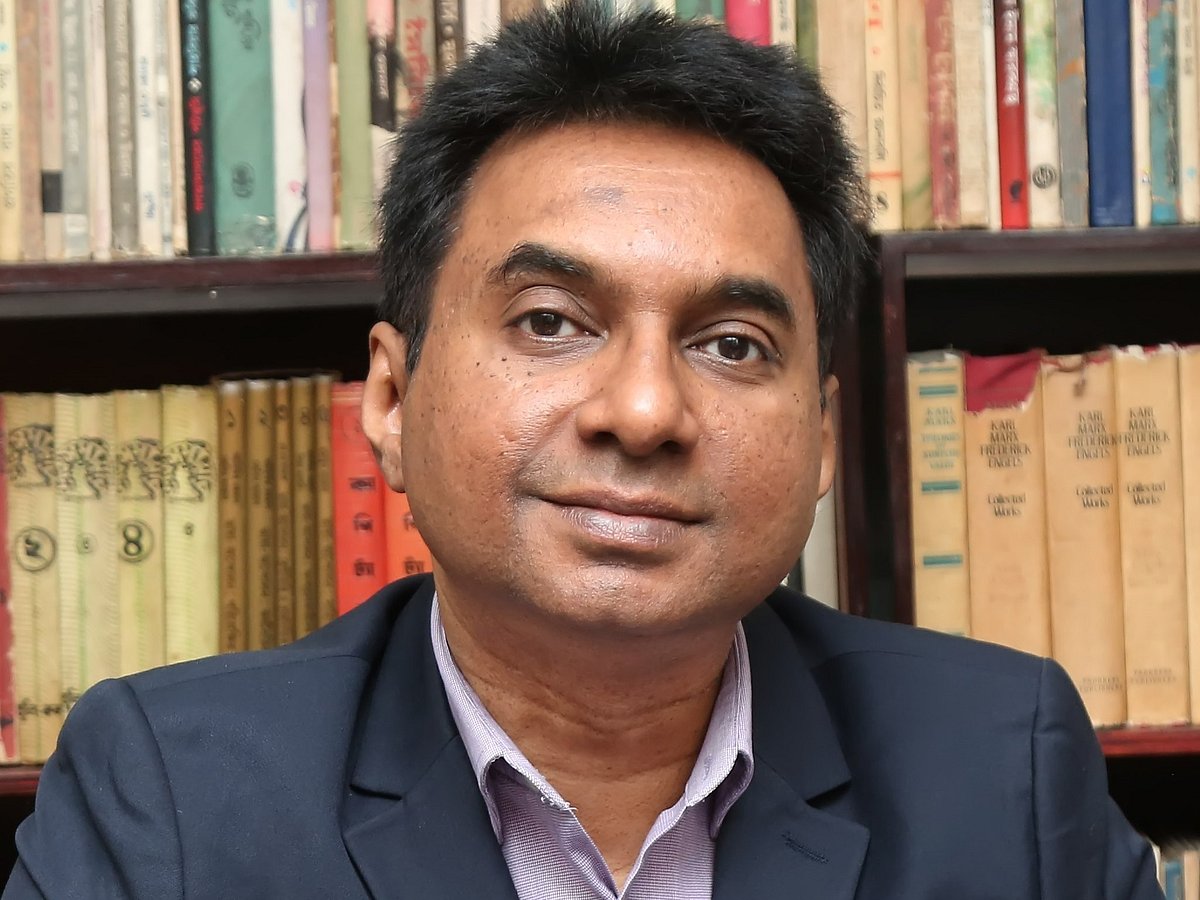
Professor Selim Raihan has been appointed as a new member of the Board of Trustees for Transparency International Bangladesh (TIB). Raihan is a professor in the Department of Economics at the University of Dhaka and the Executive Director of the South Asian Network on Economic Modeling (SANEM). He will serve a three-year term on the board. TIB announced this information in a press release on Tuesday afternoon. Professor Raihan holds a master's degree from the University of Dhaka and a PhD from the University of Manchester in the UK. He also serves on the Board of Directors for the Global Development Network (GDN). Additionally, he is an honorary Senior Research Fellow at the University of Manchester and an alumnus of Harvard University's 'Cutting Edge of Development Thinking' program. The Board of Trustees is TIB's highest policy-making body. The current Chairman is prominent human rights activist and founder of the floating hospital 'Jibon Tori', Mansur Ahmed Chowdhury. Mahfuz Anam, Publisher and Editor of The Daily Star, serves as the Treasurer. Other board members include Advocate Susmita Chakma, Philip Gain, Bonosree Pal, Faruque Ahmed, Tahera Yasmin, and Barrister Manzur Hasan.
The appointment of Professor Selim Raihan to TIB's Board of Trustees signifies a strategic move to integrate economic modeling expertise into the organization's governance. This inclusion, alongside existing members from diverse fields like human rights and media, suggests a commitment to a multi-faceted approach to anti-corruption efforts. As TIB navigates complex global challenges in the coming decade, the board's composition will be crucial in shaping its policy direction. The interplay between economic analysis and governance oversight, particularly concerning development finance and resource allocation, will likely become increasingly important. This appointment may signal TIB's intent to bolster its capacity in analyzing the economic dimensions of corruption and its impact on sustainable development goals.
AI-generated to prompt reflection — not editorial opinion, not advice, not a statement of fact. How this works.