Professor Westacott Calls for Royal Commission into Rising Antisemitism in Australia
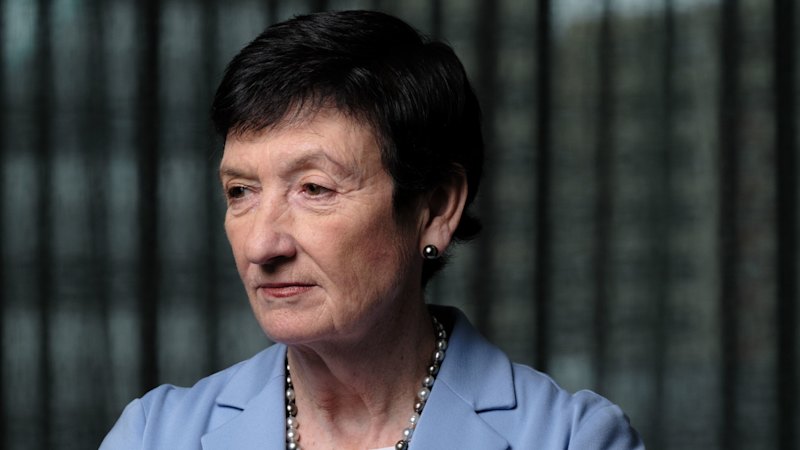
Professor Jennifer Westacott is set to tell a Royal Commission that Australia has experienced a "whole-of-nation failure to comprehend" the gravity of increasing antisemitism. Her statement highlights a significant societal lapse in understanding and addressing the issue. Professor Westacott, whose father was an antisemite, will make a personal plea for action. This personal connection underscores the deeply rooted nature of the problem and the urgent need for a comprehensive response. The Royal Commission aims to investigate the extent and impact of antisemitism within the nation. Professor Westacott's testimony is expected to provide critical insights into the challenges Australia faces in combating this form of hatred. Her call for a Royal Commission signifies a demand for a formal, high-level inquiry into the matter. The statement suggests that current measures have been insufficient to grasp the full scope of the problem. This initiative seeks to foster a deeper national understanding and develop effective strategies to counter antisemitism.
The call for a Royal Commission into rising antisemitism in Australia, as voiced by Professor Jennifer Westacott, suggests a systemic failure in national awareness and response mechanisms. The framing of a "whole-of-nation failure to comprehend" points to potential gaps in education, public discourse, and policy implementation regarding hate speech and discrimination. From a forward-looking perspective, addressing such issues is crucial for social cohesion in an increasingly diverse and interconnected world. The effectiveness of a Royal Commission will depend on its mandate to not only investigate but also to recommend actionable, long-term strategies that foster resilience against prejudice and ensure accountability. This event prompts consideration of how societal institutions can better equip citizens to recognize and counteract antisemitism and other forms of hate, thereby strengthening democratic values and protecting vulnerable communities.
AI-generated to prompt reflection — not editorial opinion, not advice, not a statement of fact. How this works.