Progressive Democratic Party Calls for Synthesis of Pushpalal and BP Koirala's Ideologies
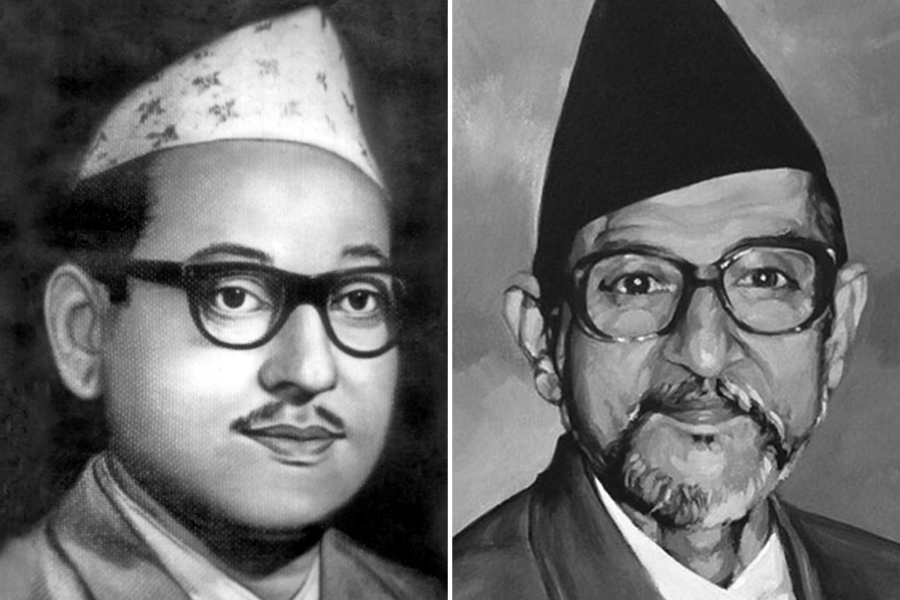
The Progressive Democratic Party (ProloPa) has stated that Nepal needs to advance a new political discourse by connecting the ideological legacies of Pushpalal Shrestha, a founder of the Communist Party of Nepal, and BP Koirala, the nation's first democratically elected Prime Minister, with contemporary needs. Although BP and Pushpalal represented different political streams, ProloPa believes both made significant and equal contributions to Nepal's democratic transformation, the expansion of people's rights, and the protection of national interests. The party emphasizes that integrating their distinct yet complementary visions is crucial for addressing current challenges and charting a path forward for the nation. This call signifies a desire to bridge historical ideological divides and foster a unified approach to national development and governance. ProloPa suggests that a thorough examination of their respective philosophies, focusing on shared goals and principles, could provide valuable insights for present-day political strategy and policy-making. The party aims to initiate a broader conversation among political actors and the public regarding this ideological synthesis.
The Progressive Democratic Party's call highlights a potential strategy to bridge Nepal's historical political divides by synthesizing the ideologies of two prominent, yet distinct, figures. This approach could foster national unity and provide a more inclusive framework for addressing contemporary socio-economic and political challenges. By focusing on shared contributions to democratic transformation and national interests, the party seeks to create a narrative that transcends traditional party lines. This could be interpreted as an effort to leverage historical consensus to build future political capital and influence policy direction. The success of such an endeavor would depend on the ability to translate abstract ideological synthesis into concrete policy proposals that resonate with the current political landscape and the needs of the populace.
AI-generated to prompt reflection — not editorial opinion, not advice, not a statement of fact. How this works.