Project brings IUD insertion, training, and menstrual health education to rural Ceará
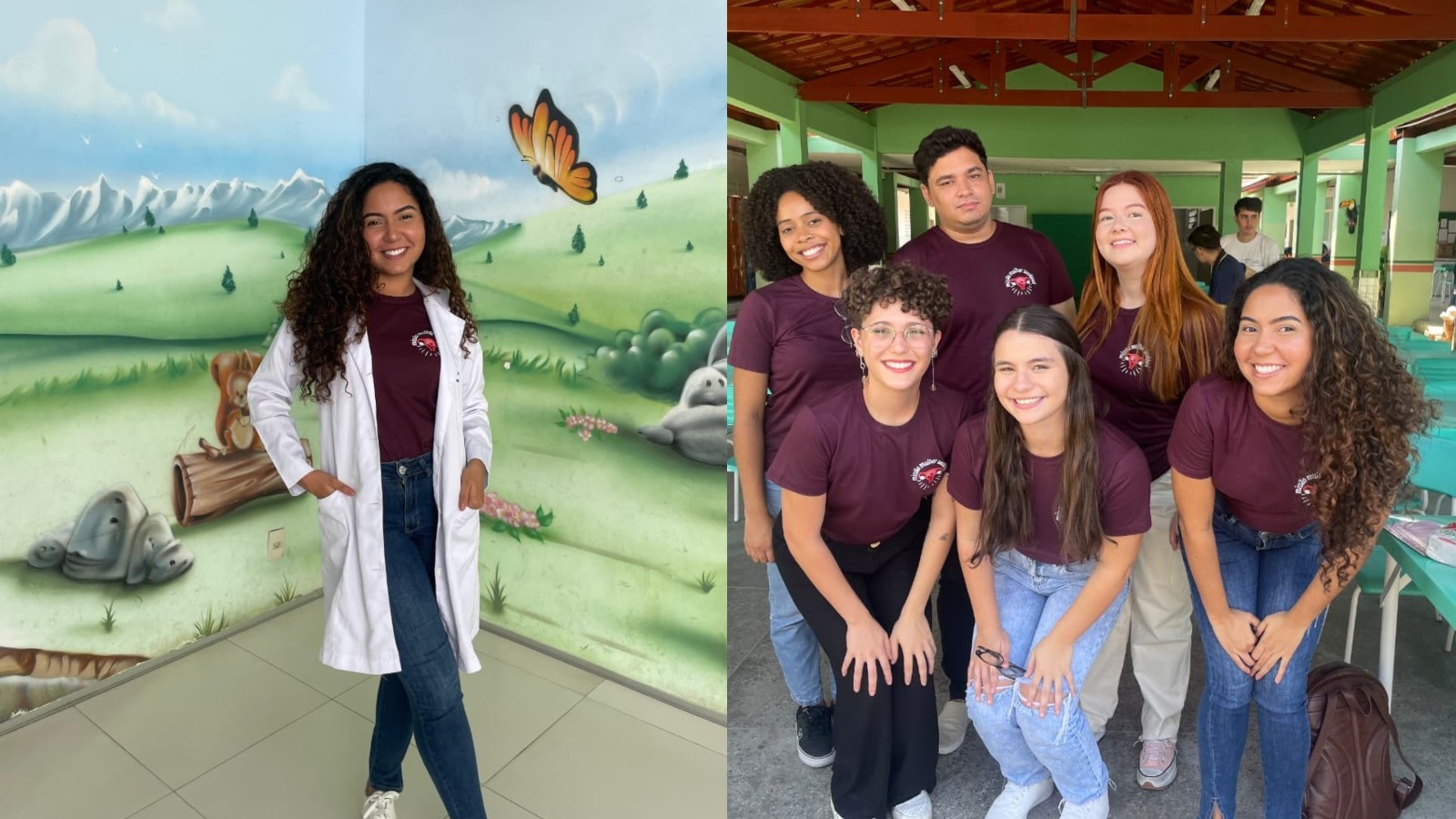
A project initiated at the Federal University of Ceará's School of Medicine is extending crucial menstrual health services and education to underserved communities in the interior of the state. The "Missão Mulher Saudável" (Healthy Woman Mission) project focuses on providing Intrauterine Devices (IUDs), a highly effective contraceptive method, to women who often lack access to such care. Beyond IUD insertions, the initiative encompasses two other vital components: comprehensive training for healthcare professionals on menstrual health and IUD application, and educational outreach to women through talks and events in schools and businesses. The project addresses significant information gaps and geographical barriers faced by women in rural areas, who often travel hundreds of kilometers to seek specialized medical attention. Founder Naomi Ferreira, a 24-year-old university student, was inspired to start the project after witnessing firsthand the struggles of women dealing with chronic pelvic pain and endometriosis, often invalidated by those around them. The project selects municipalities based on criteria such as low availability of gynecologists, limited access to long-acting reversible contraceptives, distance from reference centers, and inadequate investigation of persistent gynecological pain. So far, "Missão Mulher Saudável" has reached over 300 women, trained 60 primary care professionals, and engaged approximately 1,000 students. The project's coordinator, Dr. Leonardo Bezerra, highlighted that the initiative also responds to demands from municipal health managers who lacked trained personnel for IUD insertion, even when devices were available in local health departments. The program aims for long-term impact by equipping local healthcare providers to continue offering these services independently after the project's missions conclude. Ferreira's dedication to this work led her to win the 2025 Na Prática Protagonismo Universitário Award, recognizing her efforts in transforming academic knowledge into impactful action.
The "Missão Mulher Saudável" project exemplifies a proactive, community-centered approach to addressing critical healthcare disparities in rural areas. By integrating IUD provision with professional training and public education, it tackles both immediate needs and systemic capacity gaps. This model highlights the potential for academic institutions to drive tangible social impact by bridging the divide between research and grassroots application. Looking ahead, such initiatives underscore the growing importance of decentralized healthcare delivery, particularly in regions facing physician shortages and logistical challenges. The project's success in empowering local professionals suggests a scalable framework for improving reproductive and menstrual health outcomes across diverse populations, emphasizing sustainable capacity building over temporary aid. The recognition of student-led initiatives like this also points to a broader trend of younger generations taking on leadership roles in social and public health challenges.
AI-generated to prompt reflection — not editorial opinion, not advice, not a statement of fact. How this works.