Project Educates Riverine Schoolchildren in Santarém About Local Heritage
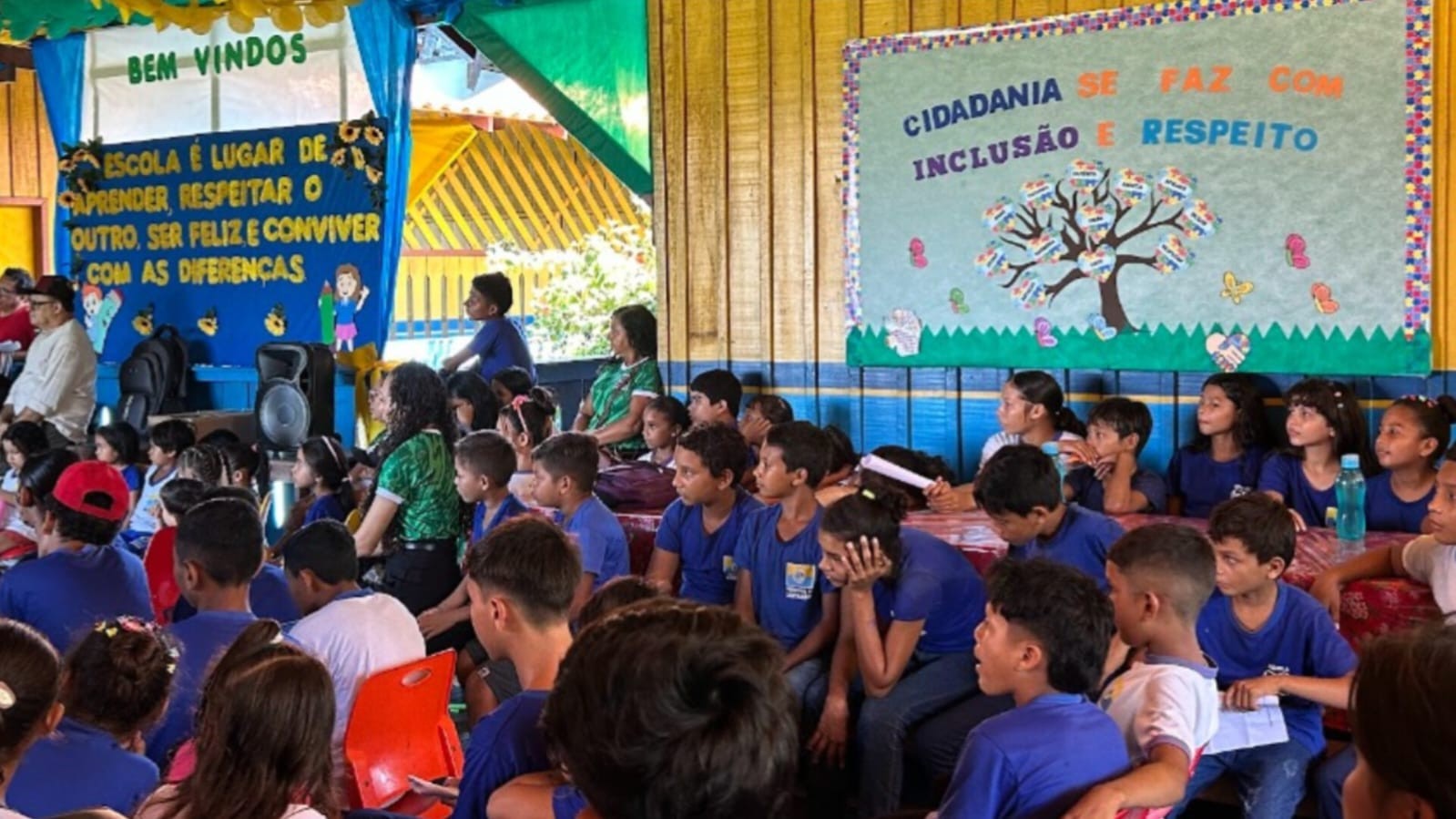
Students from the riverine communities of Aritapera and Piracãoera de Baixo, in Santarém, Pará, have participated in heritage education activities organized by the "Memory and Identity of Architectural Heritage" project. These events took place at the Santíssima Trindade and São José schools. The program featured a visit from the Traveling Museum of the João Fona Cultural Center, which introduced students to local history through artifacts, images, and stories about the municipality. For early childhood education classes, the theme was explored through playful activities, including painting workshops and the assembly of puzzles inspired by the city's historic buildings. A central element of the initiative was the screening of an animation focused on Santarém's architecture. This audiovisual material was developed from interviews with residents of the Historic Center, gathered during research by project coordinator Cecy Oneide do Nascimento Sussuarana. The production highlights the community's emotional connection to the buildings and warns that the loss of these structures also signifies the erasure of a part of Santarém's memory and cultural identity. The project aims to democratize access to the city's cultural assets. Following the screenings, teams led discussions with students to foster a sense of belonging and discuss the significance of structural preservation policies for future generations, extending the urban heritage agenda to the riverine areas.
This initiative effectively addresses the challenge of cultural preservation by extending educational outreach to remote riverine communities, aiming to foster a sense of ownership and responsibility for local architectural heritage. By decentralizing access to cultural assets and engaging young students through interactive and age-appropriate methods, the project seeks to build a foundation for future preservation efforts. The integration of community narratives and the emphasis on the link between built heritage and collective identity are crucial for cultivating long-term stewardship. This approach recognizes that cultural heritage is not static but is deeply intertwined with the lived experiences and memories of the people, suggesting that effective preservation requires active community participation and education, particularly among younger demographics who will shape the region's future.
AI-generated to prompt reflection — not editorial opinion, not advice, not a statement of fact. How this works.