Promising experimental treatments and vaccines for Congo's Bundibugyo Ebola strain, says WHO
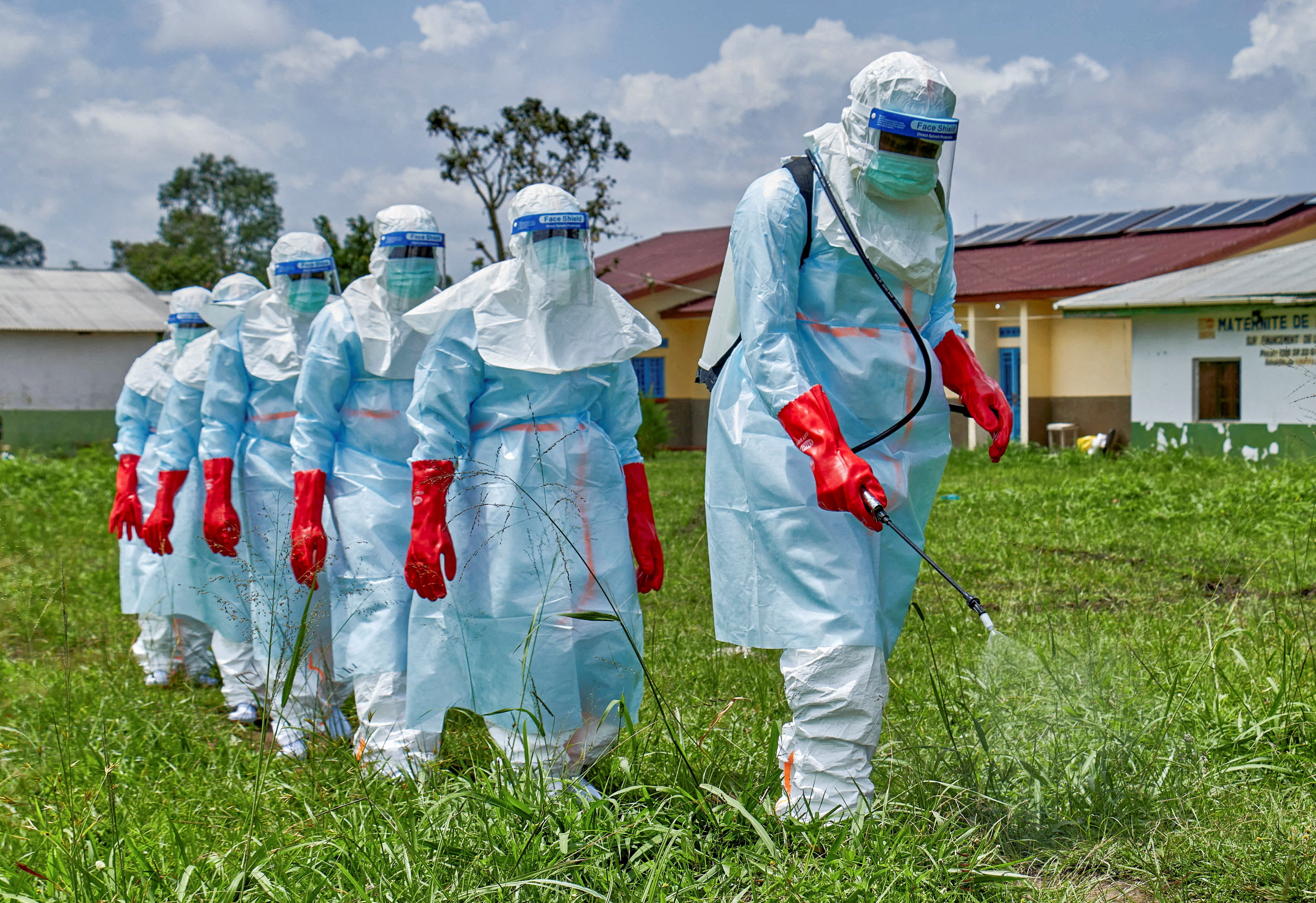
Experimental treatments, preventive medications, and vaccines for the Bundibugyo Ebola strain, responsible for the ongoing outbreak in the Democratic Republic of Congo (DRC), are showing promising results in rapid testing, according to the World Health Organization (WHO). This epidemic, the second-largest and fastest-spreading on record, is caused by the rare Bundibugyo strain, for which no approved vaccines or treatments exist. However, research protocols developed prior to the outbreak have accelerated testing, allowing for quicker initiation of trials compared to previous Ebola outbreaks. While preclinical data is encouraging, the WHO emphasizes that clinical trials are essential to confirm the efficacy of these interventions. The outbreak has proven challenging to contain, with 3,748 confirmed cases and 1,657 confirmed deaths reported by August 1st across five provinces. Approximately 17,000 contacts are under close monitoring, with most being examined daily. A WHO-sponsored treatment trial is underway in Ituri province, involving over 50 confirmed Ebola patients randomly assigned to experimental treatments in partnership with Alima and Doctors Without Borders (MSF). Additionally, a separate prophylaxis study is testing an oral antiviral drug, Obeldesivir, for 10 days in high-risk contacts to prevent disease after exposure. Vaccine research is also advancing, with a Bundibugyo-specific vaccine from Oxford University and the Serum Institute of India entering Phase 1 trials in the UK, and a Moderna candidate set to begin Phase 1 trials in Canada. The WHO is also investigating potential cross-protection from the MSD Ebola vaccine, used against the Zaire strain, for the Bundibugyo strain.
The rapid advancement of experimental treatments and vaccines for the Bundibugyo Ebola strain highlights the critical role of pre-established research frameworks in responding to emerging health crises. While promising preclinical data and accelerated trial initiation are encouraging, the ultimate success hinges on rigorous clinical validation. The ongoing challenges in containment underscore the complex interplay between viral characteristics, public health infrastructure, and community engagement. As the world navigates future pandemics, the DRC outbreak serves as a case study for optimizing global health security through proactive research, equitable access to interventions, and adaptive containment strategies that account for the unique epidemiological profiles of different pathogen strains.
AI-generated to prompt reflection — not editorial opinion, not advice, not a statement of fact. How this works.
