Promoting Good Agricultural Practices is Key to Ensuring Food Safety
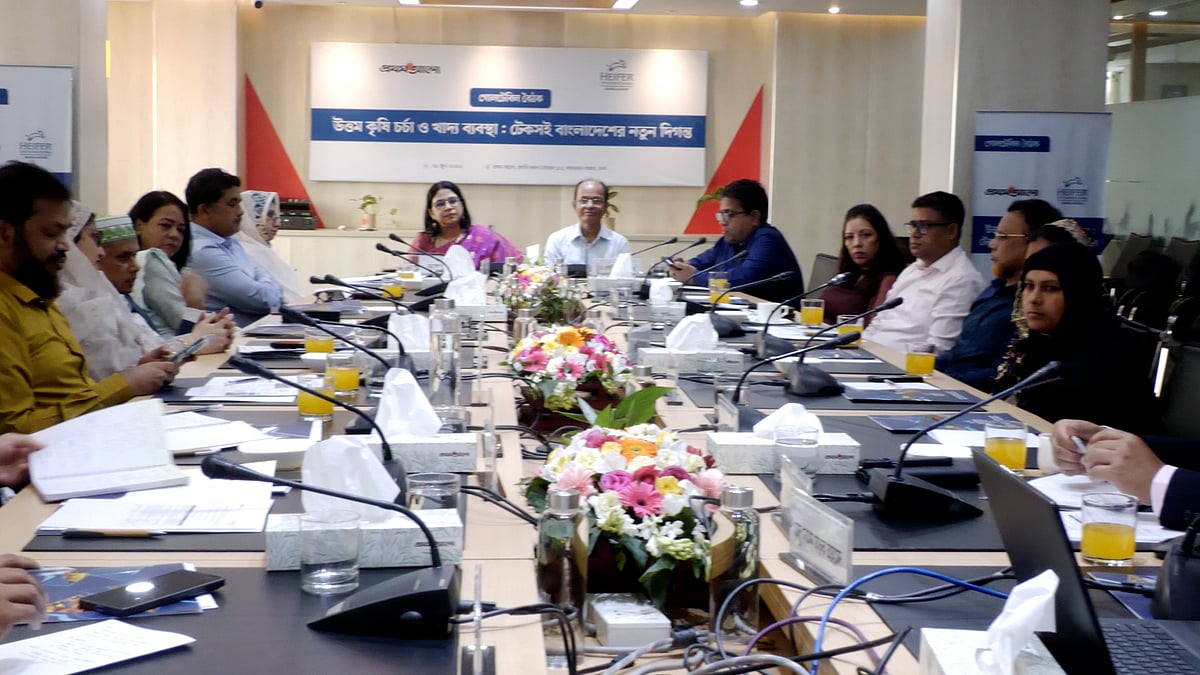
Ensuring food safety necessitates the expansion of environmentally friendly modern cultivation methods, commonly referred to as 'Good Agricultural Practices' (GAP). This approach is considered indispensable for reducing health risks associated with various complex diseases. By adopting these sustainable farming techniques, the goal is to create a safer food supply chain. The article suggests that embracing GAP is the most viable path forward to achieve this objective. The implementation of these practices aims to mitigate the prevalence of foodborne illnesses and improve overall public health. Further details and visual explanations are available in an accompanying video.
The promotion of 'Good Agricultural Practices' (GAP) highlights a global trend towards sustainable and safe food production. This initiative addresses growing consumer concerns about food quality and health impacts, driven by increased awareness of environmental degradation and the long-term effects of chemical inputs in agriculture. From a systemic perspective, encouraging GAP can lead to improved soil health, reduced water pollution, and enhanced biodiversity, aligning with broader environmental goals. The economic implications for farmers include potential market access advantages and premium pricing for certified produce, although initial investment costs and training requirements may present barriers. Looking ahead, the integration of GAP with digital technologies, such as traceability systems and precision agriculture, could further optimize resource use and food safety monitoring, creating a more resilient and transparent food system.
AI-generated to prompt reflection — not editorial opinion, not advice, not a statement of fact. How this works.