Proper Disposal of Leftover Paint and Supplies Reduces Environmental Impact
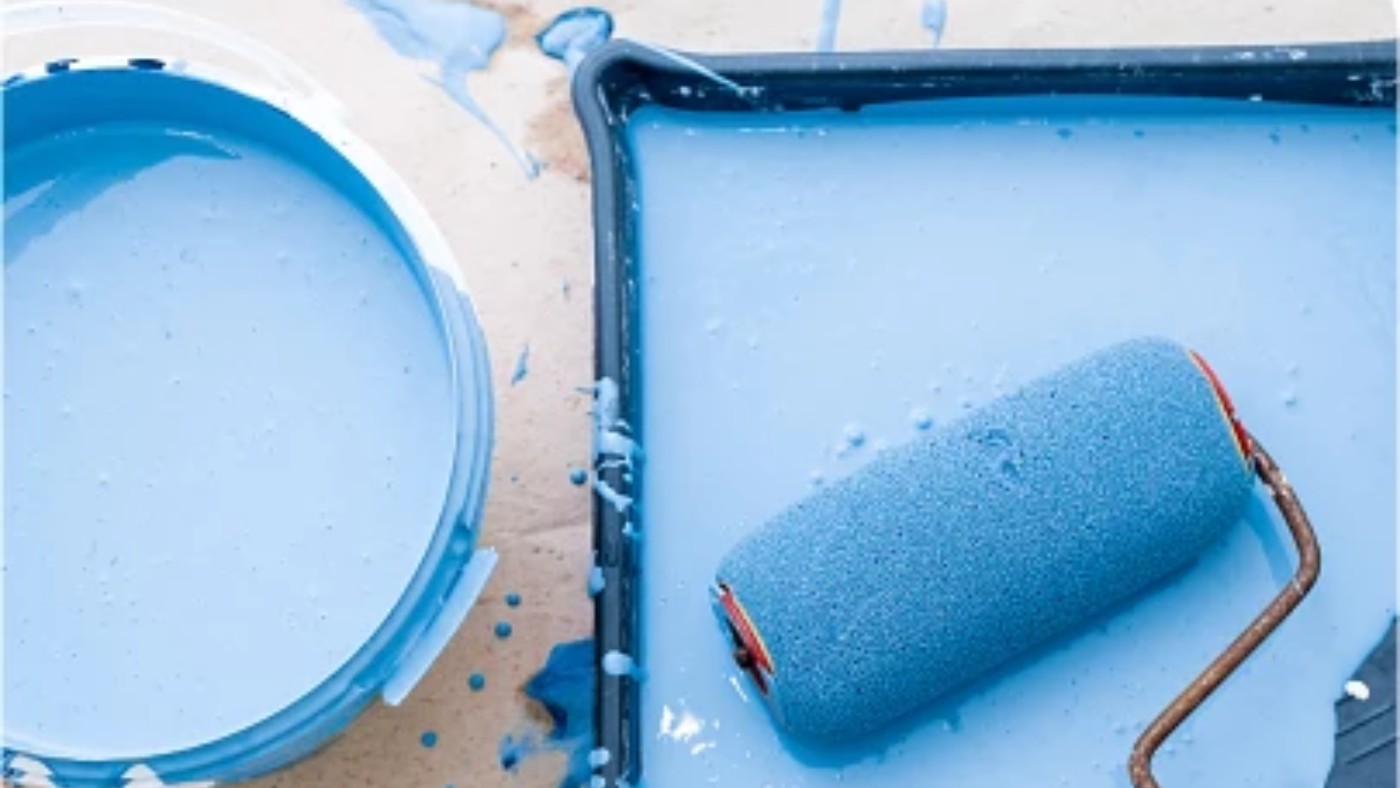
Leftover paint from home renovations presents an environmental challenge, as improper disposal can contaminate soil and water and hinder the recycling of other waste materials. Eduardo Bathke, Director-General of Tintas Verginia, emphasizes that not only liquid paint but also empty cans, brushes, rollers, and cloths used in painting require special attention. Incorrect disposal risks contaminating the environment and reduces the efficiency of recycling other common household waste like plastics, paper, and metals. Furthermore, it represents a loss of potentially reusable material that could be donated or reprocessed through specific reverse logistics channels.
The National Solid Waste Policy in Brazil mandates shared responsibility for the product lifecycle, including post-use, for items like paints and varnishes due to their special components. This means paint companies must establish collection points and ensure environmentally sound final disposal, not just advise consumers. Tintas Verginia's "Coleta Colorida" (Color Collection) program, launched in 2019, addresses this by utilizing the return routes of their delivery trucks to transport post-consumer paint cans and leftovers. This integrated logistics approach efficiently collects materials from consumers at designated points for specialized treatment by partners.
In 2025 alone, the Coleta Colorida program successfully diverted 19.98 tons of materials from landfills, preventing contamination and promoting a circular economy. The program also serves an educational role, raising consumer awareness about reverse logistics. Before considering disposal, consumers are advised to store usable paint properly in sealed containers, away from heat and direct sunlight. If the paint is no longer needed, donating it to neighbors, schools, or social projects is encouraged. Only when these options are exhausted should the material be taken to an appropriate collection point. Used painting tools like brushes and rollers should also be cleaned for potential reuse or directed to collection points if no longer serviceable.
The environmental impact of household waste, particularly specialized materials like paint, underscores the critical need for robust reverse logistics infrastructure. While consumer awareness and individual actions are vital, the "Coleta Colorida" program demonstrates that systemic solutions are most effective when integrated into existing business operations, such as delivery routes. This approach minimizes additional costs and logistical complexity, creating a scalable model for corporate responsibility. The program's success, measured in tons diverted from landfills, highlights the potential for industry-wide adoption of similar strategies. Looking ahead, the challenge lies in ensuring equitable access to such collection points across diverse geographic and socioeconomic landscapes, fostering a truly circular economy that benefits both the environment and communities.
AI-generated to prompt reflection — not editorial opinion, not advice, not a statement of fact. How this works.