Proper disposal of pesticide packaging enhances agricultural sustainability
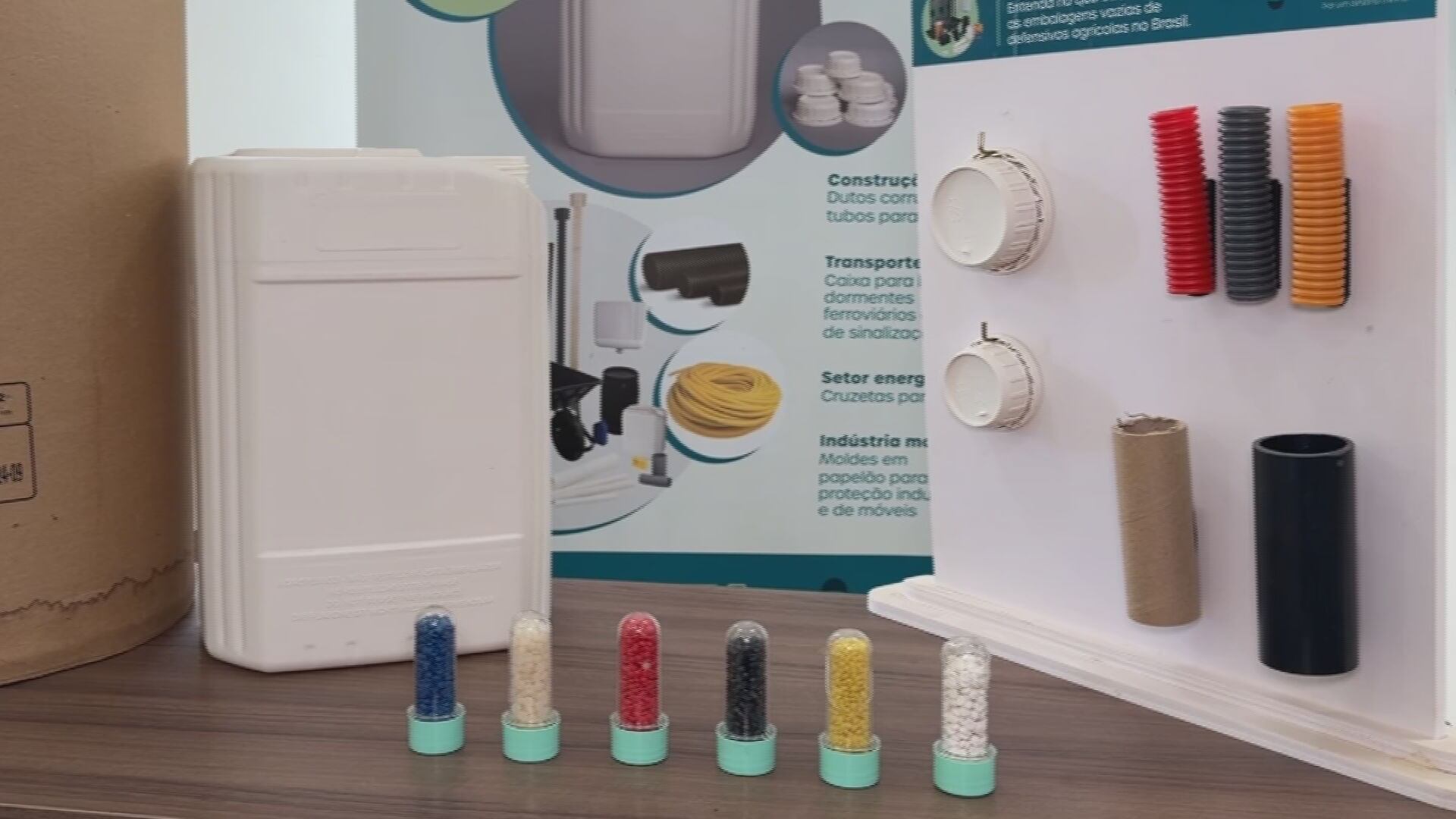
The correct disposal of empty pesticide packaging is a critical step in agricultural sustainability, complementing crop management practices. This process, mandated by law since 2002 through reverse logistics, is essential for preventing soil and water contamination, safeguarding human and animal health, and fostering a more responsible production chain. The initiative begins even before application, with automated systems like "Smart Calda" precisely calculating product quantities to minimize waste and ensure accurate dosing. After application, packaging undergoes mandatory triple washing to remove residues, is perforated to prevent reuse, and stored for transport to collection centers. For instance, one facility in Novo Horizonte (SP) processes approximately 2,500 packages monthly, with weekly shipments to a central facility in Catanduva (SP) for registration and traceability. A rigorous control system tracks products from purchase to final disposal, involving double-checking quantities. This entire process is part of the "Sistema Campo Limpo," a national reverse logistics program that defines shared responsibilities among producers, retailers, manufacturers, and public authorities. Producers return packaging, retailers guide drop-off locations, manufacturers fund operations, and the government oversees the process. At collection centers managed by the Instituto Nacional de Processamento de Embalagens Vazias (InpEV), recyclable materials are sent for reuse, while non-recyclable waste is incinerated. Currently, about 93% of received packaging, primarily cardboard and plastic, is recycled into new products or materials. Producers who fail to comply face fines ranging from R$ 384 to R$ 96,000 and other legal sanctions. Collection centers are available in several locations across São Paulo state, with scheduling facilitated by the "Sistema Campo Limpo."
The "Sistema Campo Limpo" exemplifies a multi-stakeholder approach to environmental stewardship within the agricultural sector, addressing the critical issue of pesticide container management. By establishing clear responsibilities for producers, retailers, manufacturers, and government, the program leverages shared accountability to drive compliance and promote a circular economy for agricultural packaging. The high recycling rate of 93% highlights the potential for industrial symbiosis, where waste streams are transformed into valuable resources. Looking ahead, the integration of such robust reverse logistics systems will be crucial for the agricultural industry to meet evolving global sustainability standards and consumer expectations, particularly as technology enables more precise tracking and verification of environmental performance throughout the supply chain.
AI-generated to prompt reflection — not editorial opinion, not advice, not a statement of fact. How this works.