Proper Waste Disposal: A Corporate Commitment to Environmental Sustainability
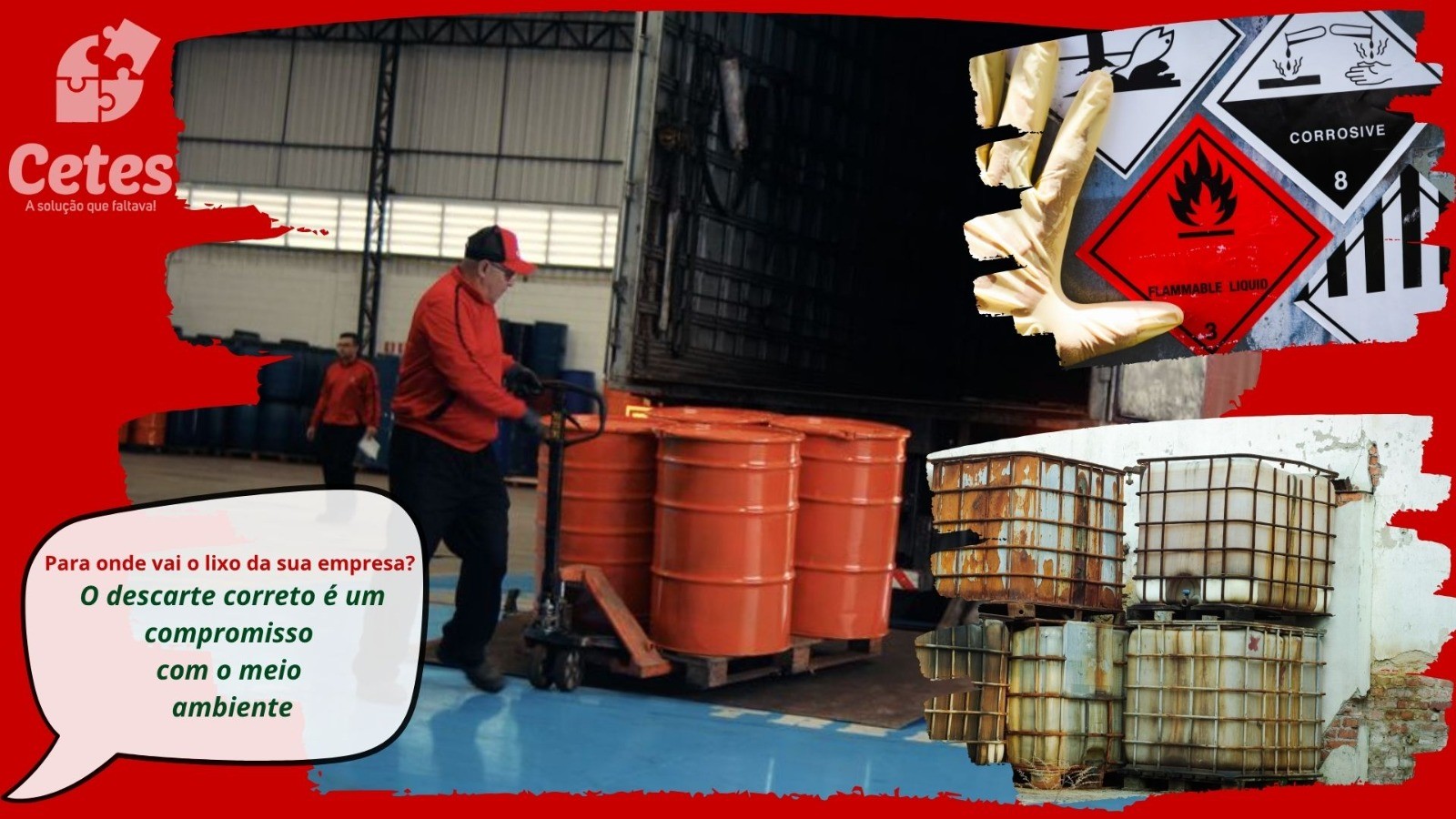
Companies are increasingly recognizing that proper waste disposal is not just a legal requirement but a core component of their sustainability strategies. Across all sectors, from industry and healthcare to commerce and services, every business activity generates waste that must be identified, separated, transported, and disposed of correctly to protect public health and the environment. Failure to do so can lead to soil, water, and air contamination, posing significant risks and resulting in legal penalties. The Brazilian Association of Technical Standards (ABNT) NBR 10.004 standard classifies solid waste into Class I (hazardous) and Class II (non-hazardous). While clean paper, plastic, glass, and metals can be recycled, hazardous materials like chemicals, solvents, used oils, and contaminated packaging require specialized handling. The distinction often lies not in the material itself, but in its contents; a plastic container that held chemicals becomes hazardous waste. Proper identification is crucial for safe procedures and legal compliance, preventing contamination and incorrect disposal. Cetes Ambiental, with over 12 years of experience in waste collection in Alto Tietê and Brazil, emphasizes that effective waste management requires planning and specialized partners to ensure safe, legal, and environmentally sound processes. They offer solutions including recycling, incineration for hazardous biological or chemical waste, co-processing of industrial waste as fuel, and shredding to reduce transport volume and costs. Cetes Ambiental provides comprehensive services such as hazardous waste transport and disposal, environmental consulting, and training on sustainable practices and legal compliance.
The increasing emphasis on proper waste disposal reflects a global shift towards corporate environmental responsibility, driven by both regulatory pressures and evolving consumer expectations. Companies face a dual imperative: managing operational costs associated with waste and mitigating reputational and legal risks linked to environmental non-compliance. The challenge lies in integrating complex waste management protocols into existing business processes, particularly for hazardous materials. As regulatory frameworks tighten and public scrutiny intensifies, businesses that proactively invest in sustainable waste solutions may gain a competitive advantage, fostering brand loyalty and attracting environmentally conscious investors. The long-term viability of such practices will depend on the development of scalable, cost-effective technologies and robust supply chains for waste processing and material recovery, aligning economic incentives with ecological stewardship.
AI-generated to prompt reflection — not editorial opinion, not advice, not a statement of fact. How this works.