Property Developers Face Limited Room to Raise Housing Prices Amid Rising Costs
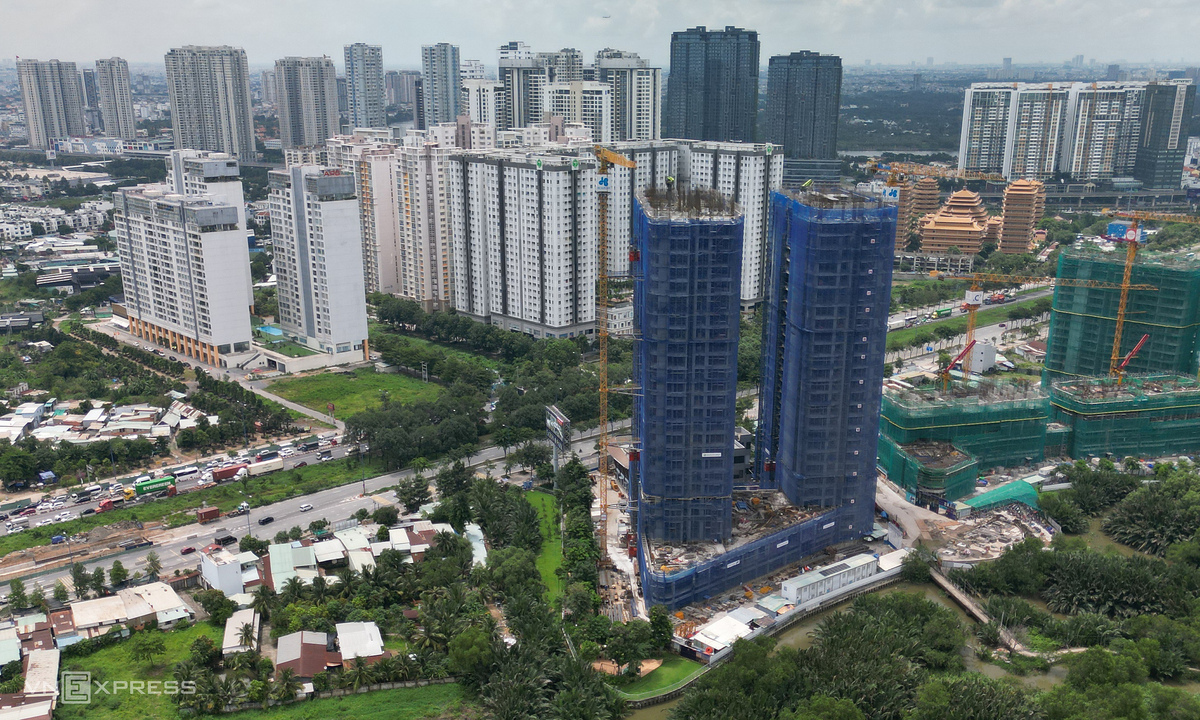
Experts suggest that the potential for real estate projects to increase prices is diminishing. This is due to existing high property values, a more discerning buyer base, and a gradual improvement in housing supply. Developers are finding it increasingly difficult to pass on rising costs to consumers, as the market has reached a plateau. The current economic climate and buyer sentiment indicate that significant price hikes are unlikely to be absorbed. Consequently, developers may need to explore alternative strategies to maintain profitability and manage costs effectively. The market's selectivity means that only projects offering strong value propositions are likely to succeed in the current environment. This trend suggests a shift towards a more balanced market, where affordability and buyer demand play a more crucial role.
The Vietnamese real estate market appears to be reaching a point where cost-push inflation in construction and land acquisition is encountering resistance from market saturation and softened consumer demand. Developers' ability to translate increased input costs into higher sale prices is constrained by the existing high price levels and a more selective buyer pool. This dynamic suggests a potential recalibration of market expectations and developer strategies, moving away from rapid price appreciation towards a focus on value, affordability, and sustainable demand. Over the next decade, the interplay between rising urban populations, evolving housing needs, and potential regulatory adjustments will shape the long-term viability of current pricing models.
AI-generated to prompt reflection — not editorial opinion, not advice, not a statement of fact. How this works.