Pros and Cons of Married Couples Sleeping in Separate Rooms
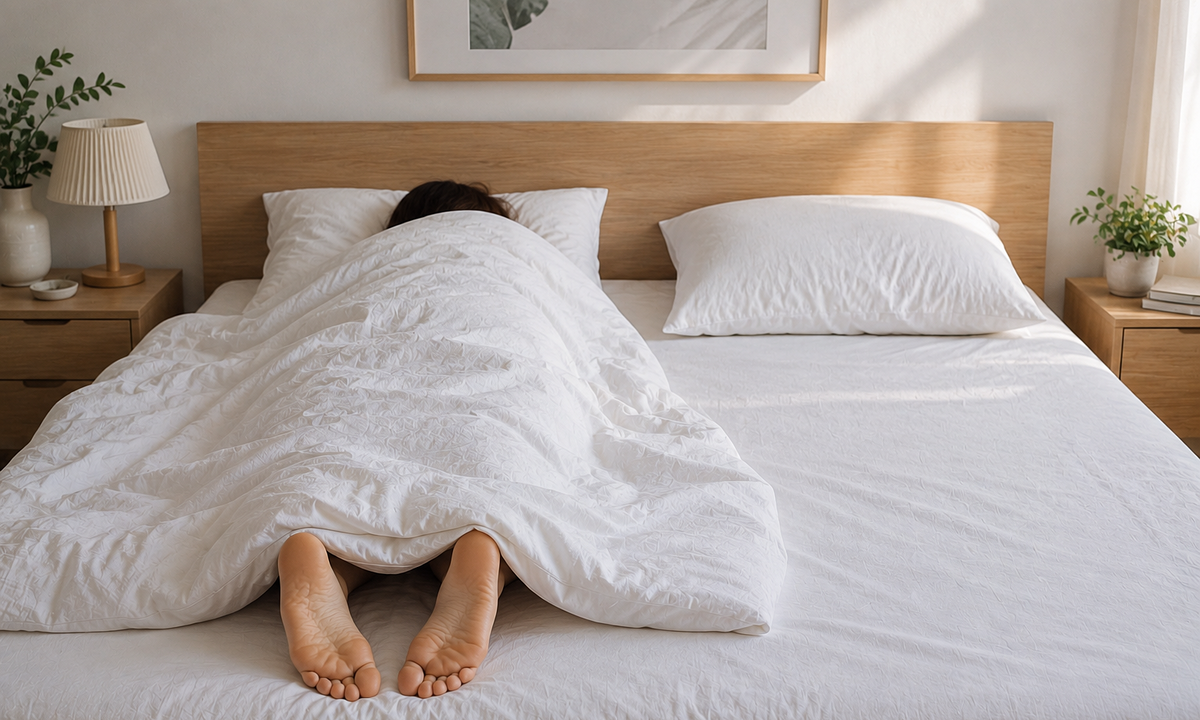
Sleeping in separate rooms can offer both advantages and disadvantages for married couples. On the positive side, it can lead to improved sleep quality and reduced stress levels for individuals. This separation might allow each partner to sleep more soundly without disturbances, potentially leading to better overall health and well-being. However, there is a potential downside to this arrangement. If not managed carefully, sleeping separately could diminish the sense of intimacy and connection between spouses. Maintaining a strong emotional bond requires conscious effort, and physical separation might exacerbate challenges in preserving that closeness. Therefore, while separate sleeping arrangements can enhance individual sleep, couples must actively work to maintain their relationship's emotional intimacy.
The practice of couples sleeping in separate rooms highlights a tension between individual well-being and relational intimacy. From a physiological perspective, optimizing sleep environments can significantly improve health outcomes, suggesting that separate sleeping spaces might be a rational response to differing sleep needs or habits. However, societal norms often associate shared sleeping spaces with marital closeness, creating a potential conflict. The long-term implications of such arrangements will likely depend on evolving cultural perceptions of relationships and the effectiveness of couples in developing alternative methods to foster intimacy beyond physical proximity. This trend could also reflect broader societal shifts towards prioritizing individual autonomy and self-care within partnerships.
AI-generated to prompt reflection — not editorial opinion, not advice, not a statement of fact. How this works.