Prosecutor Criticizes Businesses for Profiting While Denying Responsibility
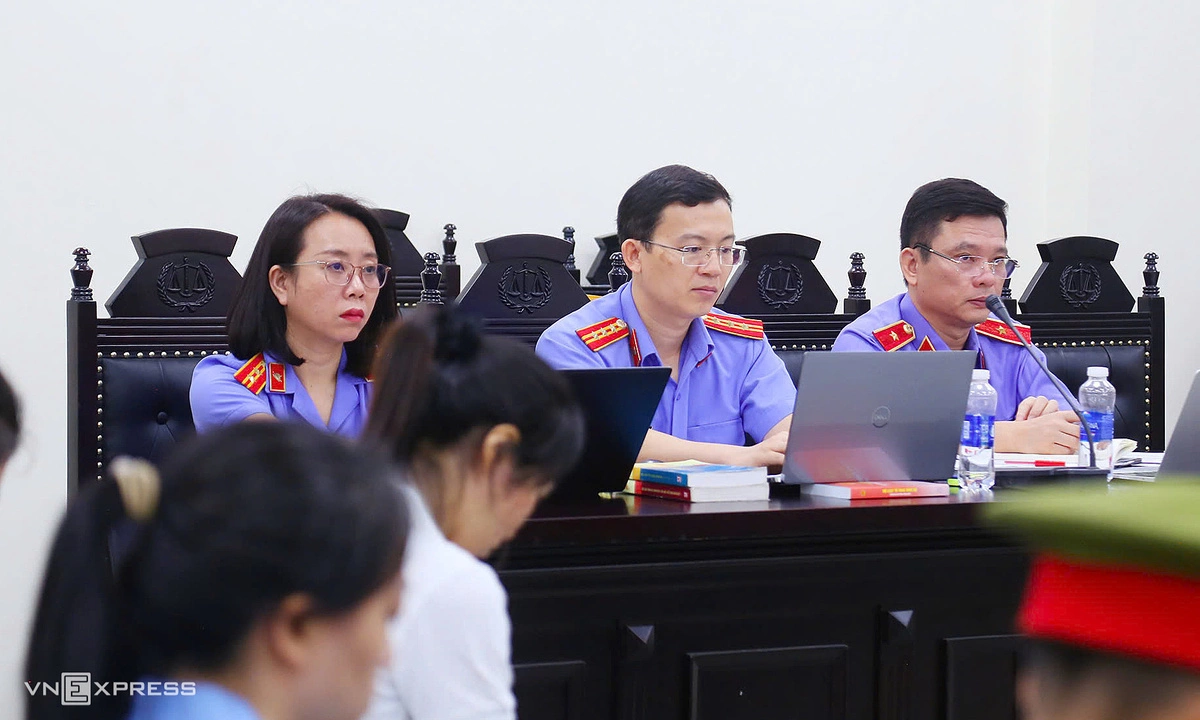
The Supreme People's Procuracy (VKS) has criticized businesses engaging in a practice where they benefit from disclosed formulas but deny responsibility when faced with legal repercussions. This statement was made during a response to lawyers in a case involving 13 million units of counterfeit nutritional products. The VKS highlighted that these companies enjoyed the advantages of their publicly announced formulas. However, when legal action was taken, they attempted to evade accountability. This approach, characterized by the VKS as 'benefiting when it's advantageous, shirking responsibility when it's not,' was deemed unprotected by Vietnamese law. The prosecution emphasized the legal principle that entities cannot selectively accept benefits while disavowing obligations.
This situation highlights a potential gap in corporate governance and legal frameworks concerning accountability for product quality and intellectual property. The prosecutor's stance suggests a need for clearer legal definitions that prevent companies from claiming benefits from disclosed formulas without accepting commensurate responsibility for their integrity. Future legal and regulatory reforms may need to address this incentive structure to ensure businesses uphold ethical standards and consumer trust, particularly in sectors with significant public health implications. This also raises questions about the effectiveness of current disclosure requirements and enforcement mechanisms in preventing fraudulent practices.
AI-generated to prompt reflection — not editorial opinion, not advice, not a statement of fact. How this works.