Prosecutor Seeks Harsher Sentence for Biologist in Fatal 2018 DUI Crash
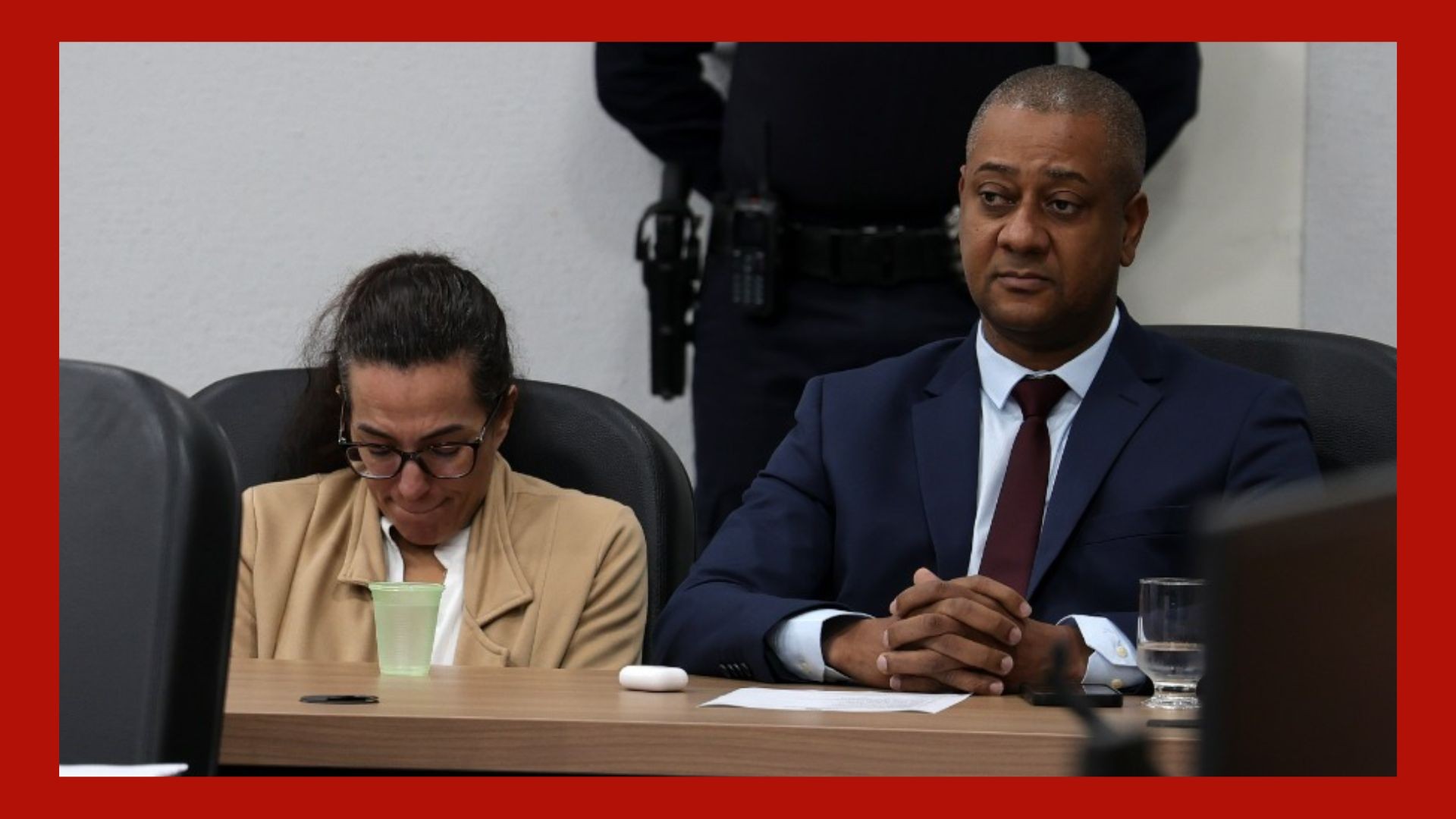
The Public Prosecutor's Office of Mato Grosso (MPMT) has appealed to the Mato Grosso Court of Justice to increase the sentence for biologist Rafaela Screnci da Costa Ribeiro. Ribeiro was convicted for a 2018 hit-and-run incident in Cuiabá that resulted in the deaths of Myllena Lacerda Inocêncio, 22, and singer Ramon Alcides Viveiros, 25, and left a third victim seriously injured. The MPMT argues that the initial six-year semi-open sentence for negligent homicide and bodily harm is too lenient given the severity of the case. The prosecution highlights Ribeiro's high level of intoxication, her continued driving despite being prevented from leaving a nightclub, the gravity of the collision, and her failure to render aid. They also contend the court wrongly considered the victims' actions in crossing the street as contributing to the accident, asserting Ribeiro's impaired driving was the sole cause. Furthermore, the MPMT seeks an additional conviction for driving under the influence, citing recent Superior Court of Justice precedent that treats this as a separate offense. The appeal requests a total sentence exceeding eight years, which would mandate an initial closed-custody regime. The accident occurred on December 23, 2018, outside a nightclub. Myllena Inocêncio died at the scene, while Ramon Viveiros succumbed to his injuries after five days in the hospital. Hya Giroto Santos, then 21, was the sole survivor, enduring a coma and multiple surgeries. Ribeiro refused breathalyzer and blood tests but displayed visible signs of intoxication. She was initially arrested, later released on bail of R$9,500, and has been awaiting trial. The court will now review the prosecution's appeal.
The prosecution's appeal highlights a common tension between initial sentencing and the perceived gravity of consequences in DUI cases. By seeking enhanced charges and a stricter penalty, the MPMT aims to underscore the principle that impaired driving, especially when resulting in fatalities, warrants severe accountability. This action may prompt a broader discussion on sentencing guidelines for vehicular homicide and DUI offenses, particularly concerning factors like extreme intoxication and the potential for repeat offenses. The case also raises questions about the legal framework's capacity to adequately address the multifaceted harm caused by such incidents, including the long-term impact on survivors and victims' families, and the societal imperative to deter reckless behavior on public roads.
AI-generated to prompt reflection — not editorial opinion, not advice, not a statement of fact. How this works.