Prosecutors Urge Court to Uphold Order for Childcare Spots in Presidente Prudente
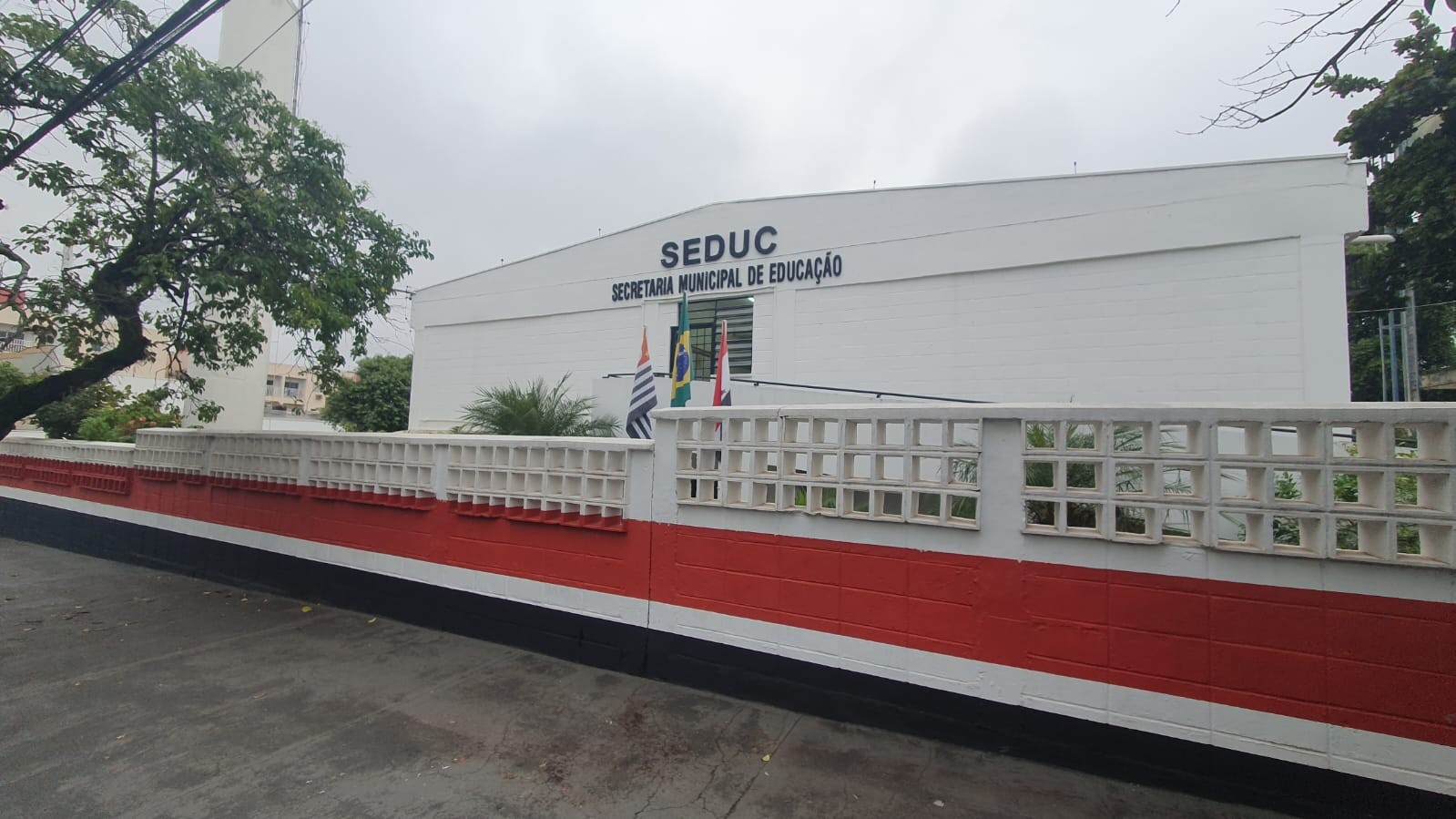
The Public Prosecutor's Office (MP-SP) has formally requested a court to confirm a preliminary injunction compelling the Municipality of Presidente Prudente, São Paulo, to guarantee daycare spots for all children on the waiting list. This latest action stems from a persistent issue where over 400 children currently lack access to municipal early childhood education. The MP-SP argues that the deficit is a structural and long-standing problem, contradicting the municipal administration's claims of temporary difficulties. The preliminary injunction, previously accessed by TV TEM and g1, mandated the municipality to provide spots within 60 days, considering geographical and social vulnerability criteria. If public or affiliated facilities were insufficient, the city was ordered to fund private institution enrollments. The order also required the municipality to notify families, present an expansion plan with budget projections, and implement an outreach strategy to identify children outside the system within 90 days. Failure to comply with enrollment mandates carried a daily fine of R$1,000 and potential freezing of public funds for private placements. The deficit has reportedly worsened, with the waiting list growing from approximately 340 children at the start of the year to 419 by November 23rd. The MP-SP points to a history of unfulfilled agreements, including a 2013 judicial settlement to gradually reduce the backlog and ensure full access by the end of 2018, which they claim was not met, leading to the current 2024 lawsuit. The prosecutors believe sufficient evidence exists for a final judgment without further proof, citing the municipality's limited submissions of partial information and requests for extensions as insufficient to demonstrate compliance.
This situation highlights a systemic challenge in municipal public policy regarding early childhood education access. The persistent deficit, spanning over a decade and involving unfulfilled judicial agreements, suggests a potential disconnect between administrative planning and the actual needs of the population. The municipality's defense, citing system changes and registration complexities, may obscure the core issue of insufficient capacity or resource allocation. From a forward-looking perspective, the ability of municipalities to adapt their infrastructure and funding models to demographic shifts and evolving societal demands will be crucial. The legal recourse taken by the Public Prosecutor's Office underscores the importance of robust oversight mechanisms to ensure the fulfillment of constitutional rights, particularly for vulnerable populations. Future policy considerations should focus on sustainable investment in educational infrastructure and proactive capacity planning, rather than reactive measures to address judicial mandates.
AI-generated to prompt reflection — not editorial opinion, not advice, not a statement of fact. How this works.