Protecting Australian Wildlife from Bird Flu: 8 Preventative Measures
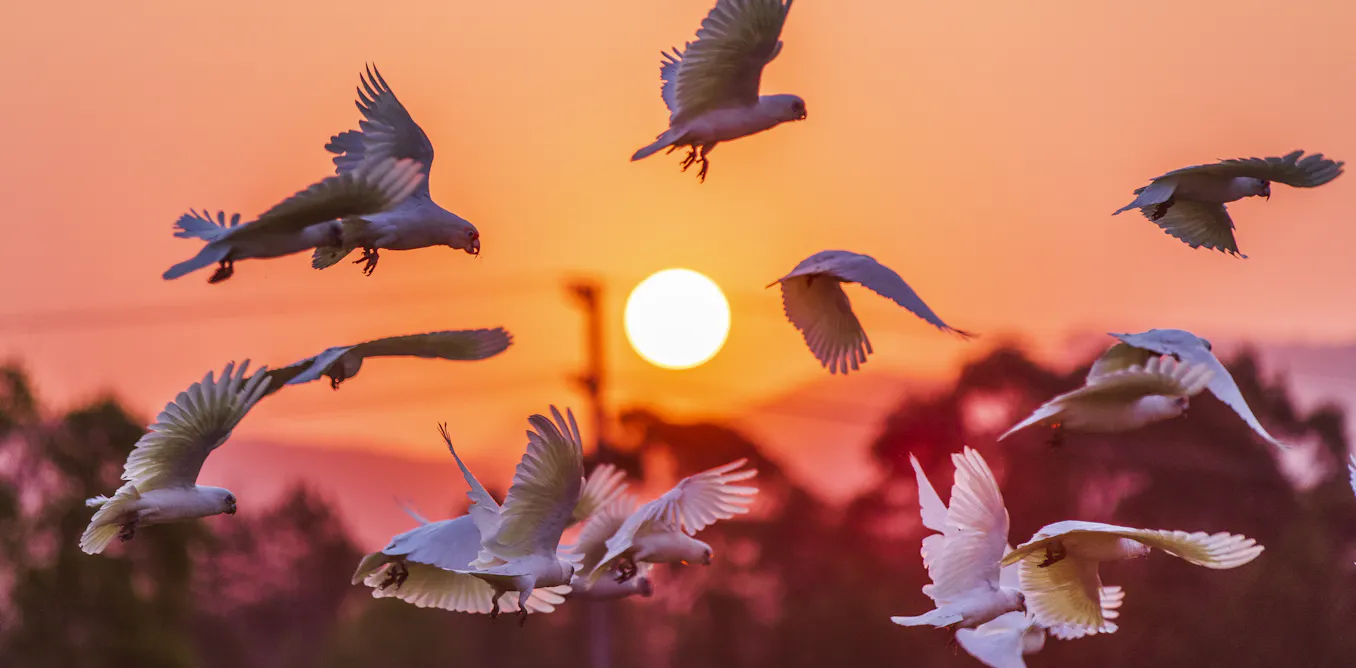
Despite the spread of a lethal bird flu among Australian wildlife, it is a misconception to believe that nothing can be done to combat it. Significant actions can be taken to protect the nation's birds and mammals from the disease. This understanding counters the sense of helplessness that can arise when facing such a widespread threat. The article aims to outline specific strategies and interventions that can be employed by individuals and authorities. These measures are crucial for mitigating the impact of the avian influenza outbreak on native fauna. By understanding and implementing these protective steps, it is possible to make a tangible difference in safeguarding Australia's biodiversity. The focus is on proactive and reactive measures that can be adopted to reduce transmission and mortality rates. The information provided is intended to empower the public with knowledge and actionable advice.
The avian influenza outbreak presents a critical challenge for Australia's biodiversity, highlighting the interconnectedness of ecosystems and the potential for zoonotic diseases to impact wildlife populations. While the spread of the virus can induce a sense of inevitability, proactive public health and conservation strategies can significantly mitigate its effects. This situation underscores the importance of robust surveillance systems, rapid response protocols, and public education campaigns to manage emerging infectious diseases in wildlife. Looking ahead, strengthening biosecurity measures and understanding the environmental factors that contribute to disease emergence will be crucial for long-term ecological resilience in the face of increasing global connectivity and environmental change.
AI-generated to prompt reflection — not editorial opinion, not advice, not a statement of fact. How this works.
