Protein Lactylation: Mechanisms, Significance, and Clinical Implications in Health and Disease
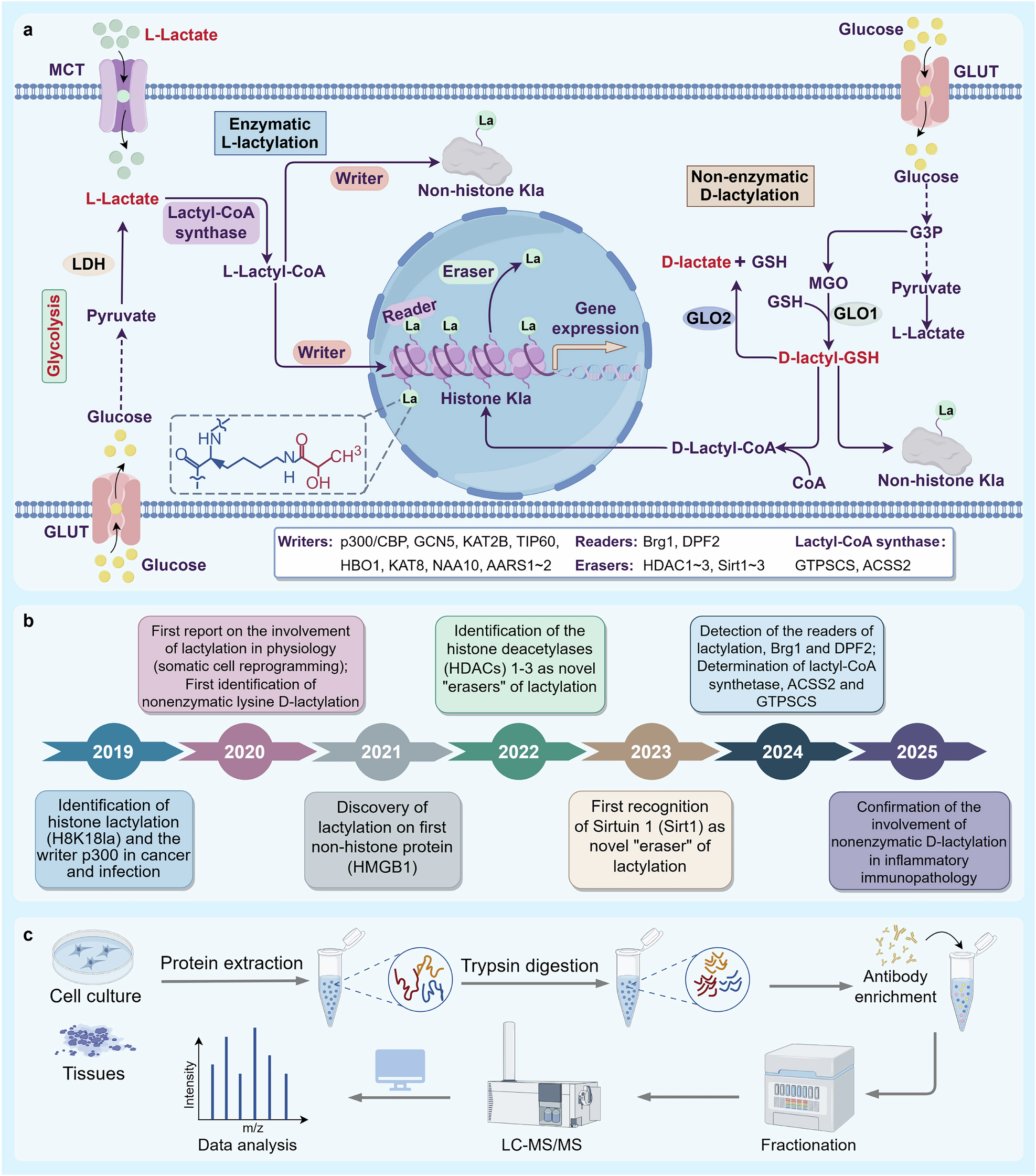
The article "Protein lactylation in health and diseases: molecular mechanisms, biological significance, and clinical implications" explores the emerging field of protein lactylation. This post-translational modification involves the addition of a lactate group to proteins, a process that has garnered significant attention for its role in various biological functions and disease states. The authors delve into the intricate molecular mechanisms underlying lactylation, explaining how lactate is incorporated into proteins and the enzymes involved in this process. They further discuss the broad biological significance of protein lactylation, highlighting its involvement in cellular metabolism, energy production, and gene expression. The review also examines the critical clinical implications of lactylation, particularly its association with diseases such as cancer, metabolic disorders, and neurodegenerative conditions. Understanding these aspects is crucial for developing novel diagnostic and therapeutic strategies. The research presented underscores the potential of targeting protein lactylation for future medical interventions.
The study of protein lactylation represents a significant advancement in understanding cellular responses to metabolic shifts, particularly under conditions of anaerobic glycolysis. This research highlights how a metabolic byproduct, lactate, can directly influence protein function, thereby impacting cellular signaling and gene expression. The implications for disease, especially cancer and metabolic disorders, suggest that lactylation could serve as a biomarker or a therapeutic target. Future research will likely focus on the precise regulatory networks controlling lactylation and its specific roles in different cellular contexts. The development of targeted interventions based on lactylation could offer novel treatment avenues, but careful consideration of potential off-target effects and systemic metabolic consequences will be paramount.
AI-generated to prompt reflection — not editorial opinion, not advice, not a statement of fact. How this works.