Protestors place over 100 crosses at São Luís children's hospital demanding answers on ICU deaths
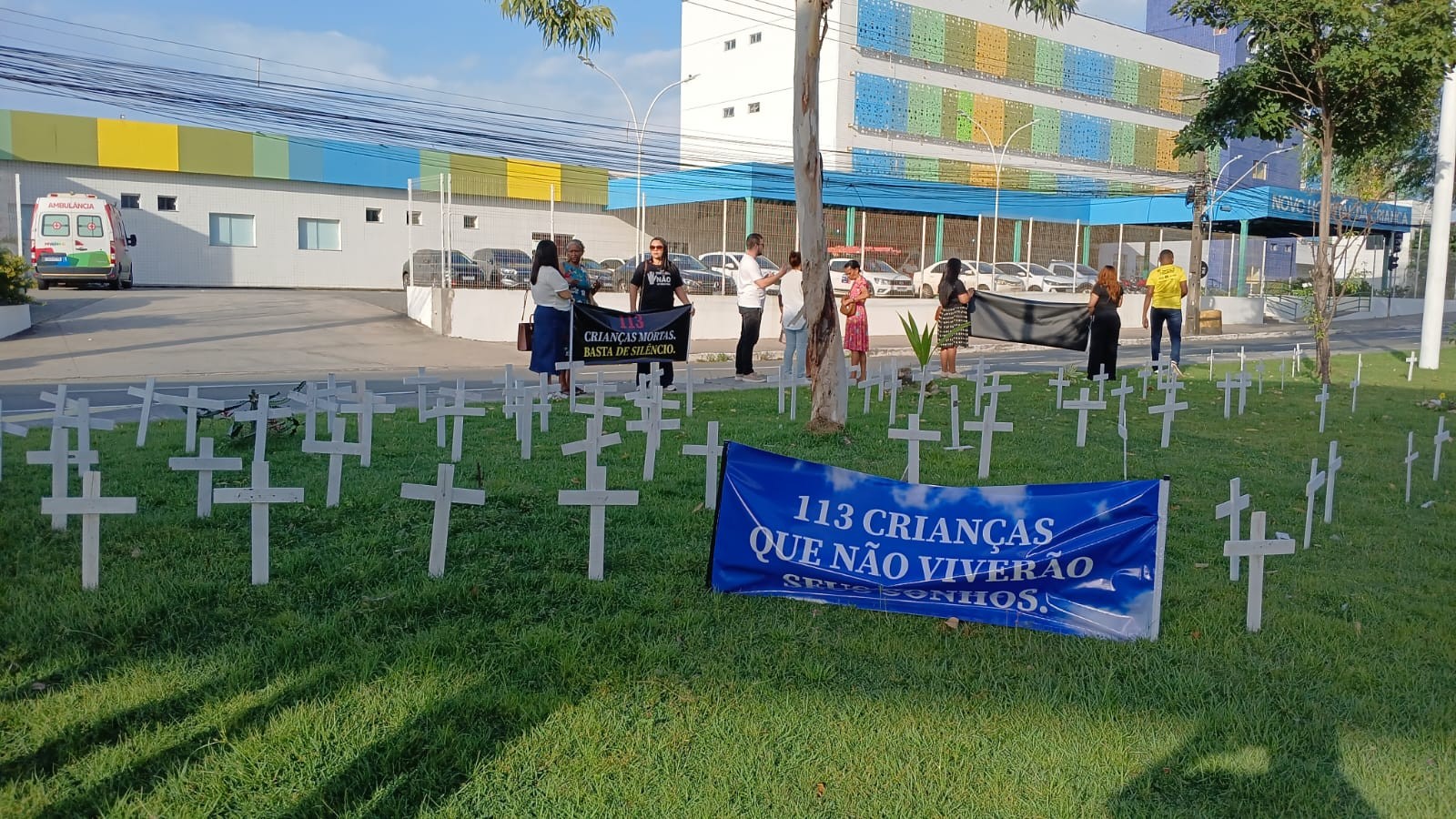
More than 100 crosses were placed in front of the Dr. Odorico Amaral de Matos Children's Hospital in São Luís, Brazil, on Thursday, May 16th. The protest, organized by child welfare counselors and families, seeks answers regarding deaths in the pediatric Intensive Care Units (ICUs). The crosses symbolize the number of children allegedly who died in the hospital's three pediatric ICUs in 2025, with reports suggesting 113 child deaths that year, 101 of which occurred in the ICUs. These allegations have prompted investigations by various authorities, including the Maranhão Public Prosecutor's Office, the Federal Public Prosecutor's Office, the State Public Defender's Office of Maranhão, the Ministry of Health, and the Civil Police. Concerns escalated following a change in ICU management in October 2025, when the Instituto Brasileiro de Serviços Médicos (IBMED) took over operations under a contract with the São Luís City Hall. Critics, including medical professionals, families, and the Public Defender's Office, claim this transition led to a reduced number of doctors on duty and the employment of staff lacking necessary pediatric specialization. Both IBMED and the City Hall deny any irregularities, stating that their teams adhere to the standards set by the National Health Surveillance Agency (Anvisa). The protest occurred shortly after an emergency audit by the Ministry of Health and an inspection by the Public Defender's Office, which reported insufficient medical staffing and the presence of a doctor without pediatric specialization. Families also reported delays in care and a shortage of medications.
The events at the Hospital da Criança highlight critical systemic issues within public healthcare contract management and oversight. The allegations of insufficient staffing, unqualified personnel, and subsequent patient deaths, if substantiated, point to potential failures in due diligence during the contracting process and ongoing regulatory enforcement. The shift in ICU management to a private entity, IBMED, and the subsequent claims of reduced medical presence and expertise warrant scrutiny of the contractual terms and performance metrics. Future contract structures for essential public services should prioritize transparency, robust performance indicators, and independent verification mechanisms to safeguard patient welfare and ensure accountability, particularly in specialized pediatric care where the stakes are exceptionally high. The investigations by multiple governmental bodies underscore the complexity of the situation and the need for coordinated action to restore public trust and ensure the integrity of healthcare delivery.
AI-generated to prompt reflection — not editorial opinion, not advice, not a statement of fact. How this works.