Protests Disrupt Traffic in Guatemala City Over Fuel Price Hikes
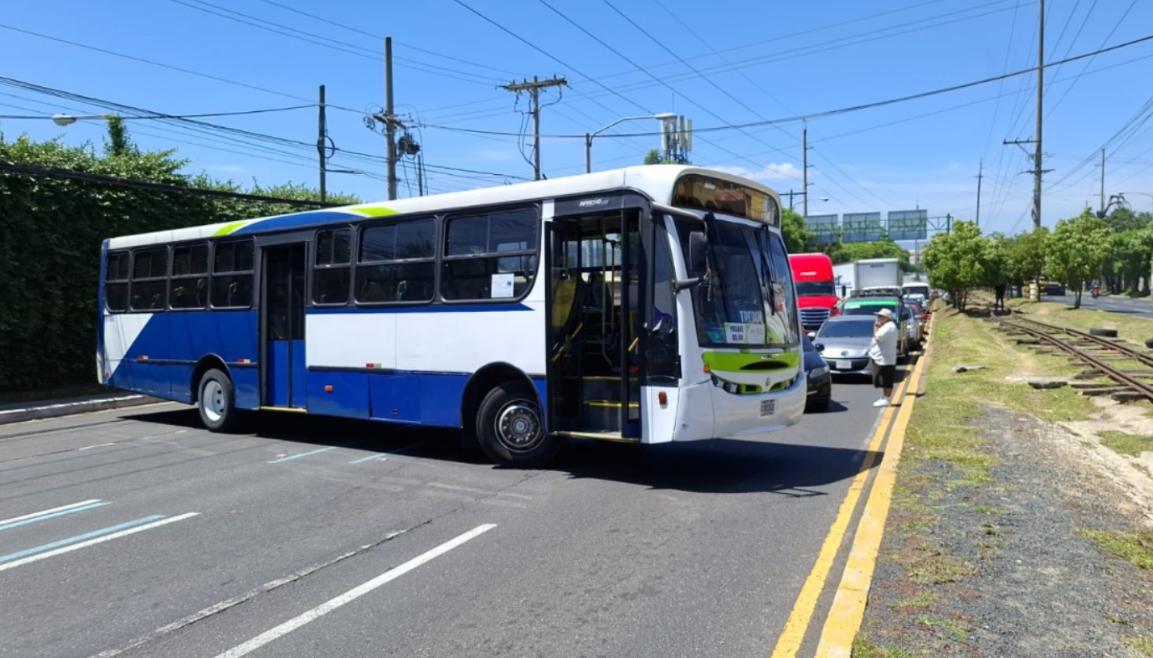
On July 21, vehicle traffic was halted on Atanasio Tzul Boulevard and Petapa Avenue in Guatemala City. The disruptions were caused by groups of protesters demonstrating against the rising prices of fuels. The blockades specifically impacted these two major thoroughfares, preventing the normal flow of vehicles. The exact composition of the protesting groups and the specific fuels targeted were not detailed in the report. The demonstrations highlight public discontent with the increasing cost of energy. This event underscores the sensitivity of fuel prices to public stability and economic conditions in the region. Further information regarding the duration of the blockades and any official responses was not provided. The situation reflects ongoing economic pressures affecting citizens.
The protests in Guatemala City over fuel prices reflect a common global challenge where rising energy costs can trigger significant public unrest. Such demonstrations highlight the delicate balance governments must strike between market-driven fuel pricing and the need to maintain social stability and affordability for citizens. The economic incentive for suppliers to pass on increased global commodity prices clashes with the public's demand for stable, accessible energy. Looking ahead, sustained volatility in global energy markets, coupled with the ongoing energy transition, could lead to more frequent and potentially larger-scale public responses. Policymakers may need to explore a range of strategies, from targeted subsidies to investments in alternative energy sources, to mitigate these pressures and ensure equitable access to energy in the coming decade.
AI-generated to prompt reflection — not editorial opinion, not advice, not a statement of fact. How this works.