Protests Erupt Over E20 Petrol in Delhi, Three Demonstrations Held in Five Days
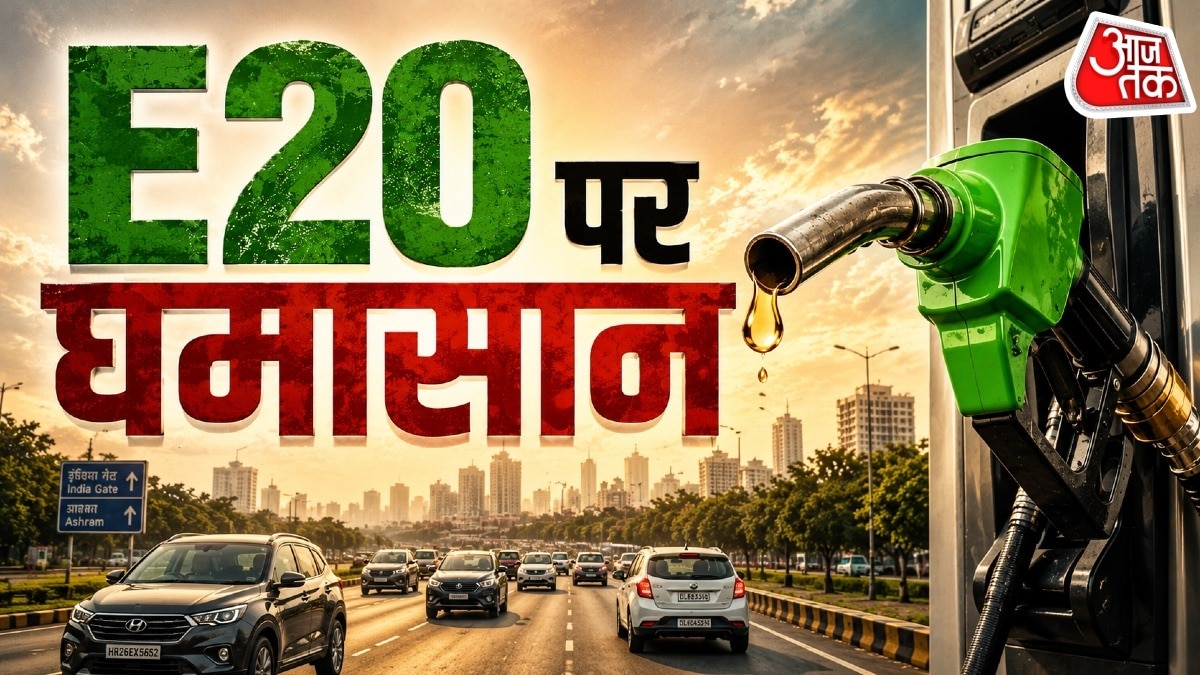
Tensions are escalating in Delhi concerning the introduction of E20 petrol, a blend of 20% ethanol and 80% gasoline. The situation has drawn significant attention, with political figures, transport unions, and digital campaigns like the 'E20 Janta Party' actively voicing their concerns. Over the past five days, the national capital has become a focal point for protests and discussions surrounding this new fuel blend. The public outcry suggests a strong demand for '100% pure petrol,' indicating resistance to the mandated ethanol blending. This growing opposition highlights a significant debate about fuel standards and environmental policies in India.
The widespread protests against E20 petrol in Delhi signal a public apprehension regarding the transition to higher ethanol blends. While ethanol blending is promoted as an environmental initiative to reduce carbon emissions and dependence on fossil fuels, public concerns often center on potential impacts on vehicle performance, engine longevity, and fuel quality. This situation presents a classic tension between national policy objectives, such as energy security and environmental sustainability, and consumer trust and perceived practical implications. Future policy implementation may benefit from enhanced public education campaigns addressing these concerns and potentially phased rollouts or pilot programs to build confidence and gather real-world data on the performance and effects of E20 petrol across diverse vehicle types and climatic conditions.
AI-generated to prompt reflection — not editorial opinion, not advice, not a statement of fact. How this works.