Protests in AJK: JAAC to hold demonstrations, no long marches expected
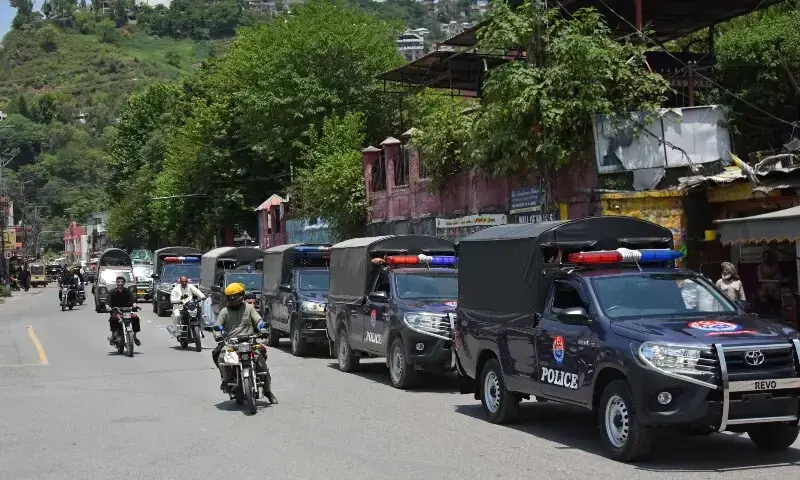
The Joint Awami Action Committee (JAAC), a proscribed group, is expected to hold demonstrations at their current protest sites in Azad Jammu and Kashmir (AJK) today, with officials ruling out the possibility of long marches. The main sit-in is ongoing at the Eidgah ground, with smaller gatherings of 100 to 500 people occurring at Mutyalmera, Singola, Paniola, and Shujaabad. Participants at the main sit-in near Rawalakot were reportedly planning a short rally at 2pm on Sunday. Officials attribute rumors of long marches to a lack of communication facilities in the region, stating there is no indication participants will move beyond their designated protest areas. These sit-ins are described by officials as evening gatherings, with participants enjoying the weather and receiving free meals. Food supplies are reportedly ample, with rations stored in a nearby marriage hall and meals prepared in makeshift ovens. Food is also being provided to households hosting participants from other areas. Despite road blockages leading to Rawalakot, essential commodities remain available, with grocery stores, medical outlets, and other shops permitted to operate. Meanwhile, the Poonch administration is pursuing disciplinary action against over 70 additional government officials for alleged participation in the sit-ins. These officials include 42 from the education department, 12 from health, five each from electricity and public works, three from local government, and two each from agriculture and forests. Action is also recommended against five National Bank of Pakistan employees and one Pakistan Post Office employee, with proposed measures including salary stoppages and disciplinary proceedings. Separately, the education secretariat has initiated an inquiry and suspended pensions for two retired teachers in Kotli. The AJK police have also refuted claims of an attack on the Eidgah sit-in, attributing them to a coordinated social media campaign.
The events in Azad Jammu and Kashmir highlight the complex interplay between citizen mobilization, government response, and information dissemination. While the government's stated position focuses on maintaining order and ensuring essential services, the disciplinary actions against numerous public officials suggest a broader strategy to deter participation in protests. The official characterization of sit-ins as social gatherings for weather and meals, juxtaposed with the administration's active pursuit of disciplinary measures, raises questions about the underlying incentives and pressures influencing both protesters and officials. The rejection of social media claims by police indicates an awareness of the information war surrounding such events. Moving forward, understanding the root causes of public discontent and establishing transparent channels for dialogue will be crucial for sustainable peace and governance in the region, especially as digital communication continues to shape public discourse and collective action.
AI-generated to prompt reflection — not editorial opinion, not advice, not a statement of fact. How this works.