Prouni 2026: Second Semester Enrollment Opens Tuesday
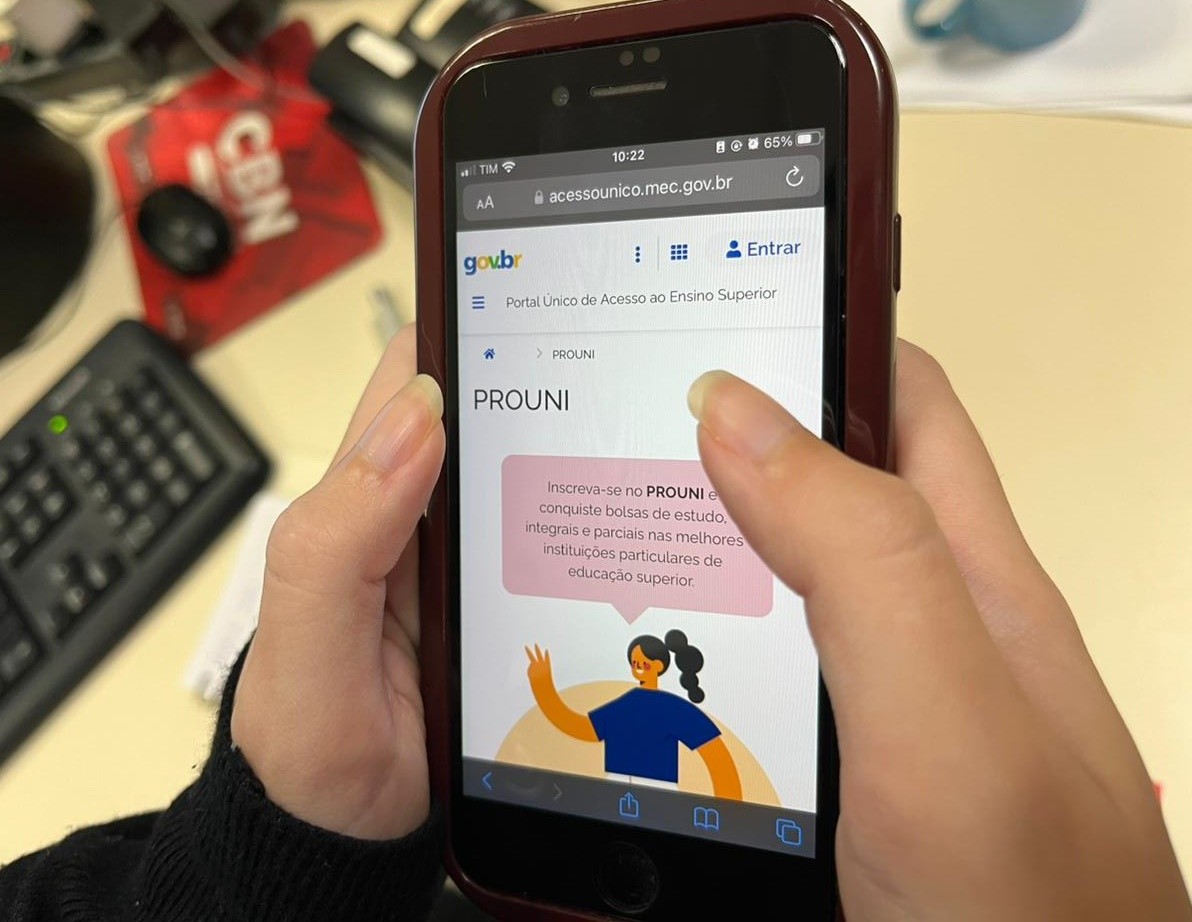
Enrollment for the second semester of the Prouni (Programa Universidade para Todos) in 2026 begins this Tuesday, July 7th. Prospective students must register exclusively through the Acesso Único portal (acessounico.mec.gov.br/prouni), using their gov.br login credentials. The application window closes at 11:59 PM on July 10th. The first selection results will be announced on July 15th, followed by the second call on August 5th. Prouni is a federal government initiative that provides full (100%) and partial (50% discount) scholarships at private educational institutions. To be eligible, applicants must have participated in the National High School Exam (Enem) in 2024 or 2025, achieving a minimum average score of 450 points in subject areas and a score above zero in the essay. Additionally, candidates must have completed high school entirely in a public school, entirely in a private school as a full scholarship recipient, partially in public and partially in private schools as a full scholarship recipient, partially in public and partially in private schools with a partial scholarship or no scholarship, or entirely in a private school with a partial scholarship or no scholarship. Individuals with disabilities and public school teachers applying for specific education-focused courses are also eligible. During the application process, candidates can select up to two course preferences, specifying the institution and study period, and choose between open competition or quota-based enrollment. They are advised to monitor their partial scores daily and can change their selections until the deadline. Pre-selected candidates will be those who meet the cutoff score for their chosen courses by the end of the enrollment period.
The Prouni program continues to serve as a critical mechanism for expanding access to higher education in Brazil, particularly for students from public school backgrounds or those facing socioeconomic challenges. The program's reliance on Enem scores and specific eligibility criteria, such as prior schooling and disability status, reflects a targeted approach to addressing educational inequality. However, the system's structure, which involves monitoring partial scores and allowing last-minute changes, may introduce complexities and competitive pressures for applicants. Future iterations could explore streamlining the application process or offering more robust support for students navigating the system, ensuring equitable access is not hindered by procedural hurdles. The program's long-term impact will depend on its ability to adapt to evolving educational landscapes and consistently meet the needs of its intended beneficiaries.
AI-generated to prompt reflection — not editorial opinion, not advice, not a statement of fact. How this works.