Prudente's Law Rewarding Trash Dumps Reporting Stalled by Offender Identification Issues
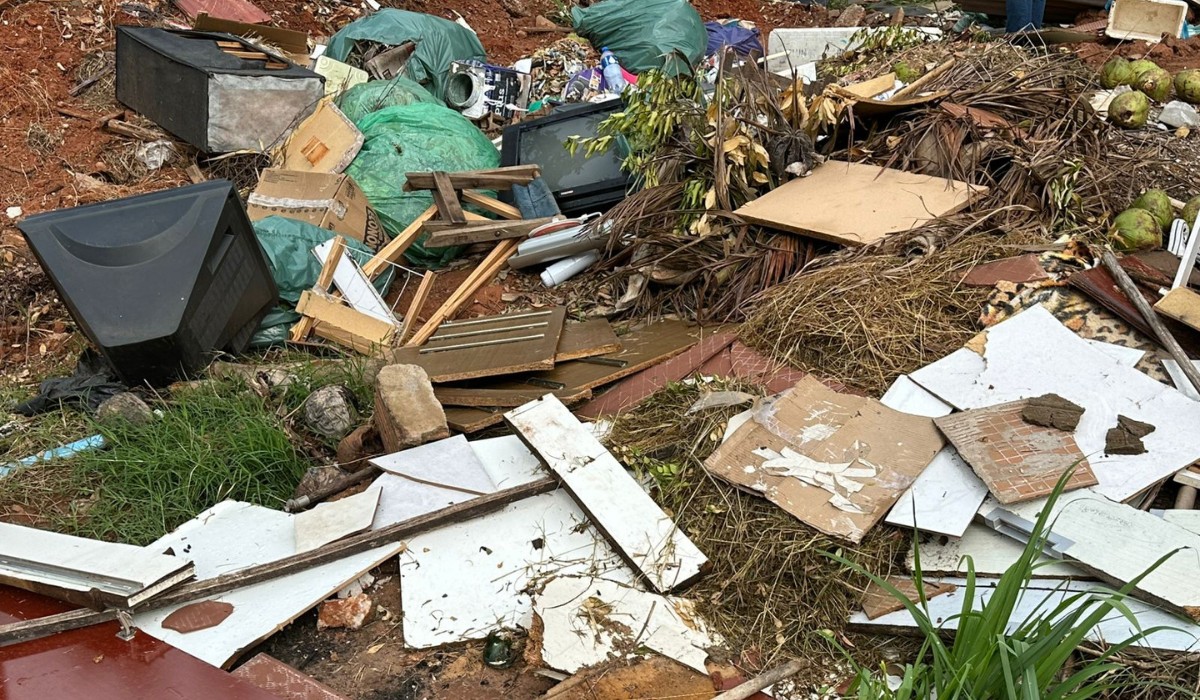
A municipal law in Presidente Prudente, São Paulo, designed to incentivize reporting of illegal waste disposal is failing to yield results due to difficulties in identifying offenders. The law, enacted in December 2025, allows for informants to receive 20% of fines paid by those caught dumping trash, construction debris, or other waste in unauthorized locations. Despite receiving 170 complaints since its inception, including 21 anonymous reports and 149 identified ones, no fines have been issued or collected to date. Municipal authorities state that the primary obstacle is the lack of sufficient information in the denunciations to locate and penalize the perpetrators. The legislation covers various offenses, such as dumping waste on public roads, in green areas, waterways, or sewers. To be considered valid, reports must include substantial evidence like photos or videos, precise location and time, and ideally, identification of the vehicle used. The municipality emphasizes these details are crucial for enforcement teams to proceed with administrative processes. The law also includes penalties for false reports, including fines and potential civil and criminal liability. Fines for illegal dumping vary based on the type and volume of waste. The city is also conducting regular cleanup drives, having collected over a thousand truckloads of debris in a recent "cata-trecos" event, and operates an ecopoint for proper waste disposal.
The implementation of this waste disposal reporting law highlights a common governance challenge: the gap between legislative intent and practical enforcement. While the incentive structure aims to leverage citizen participation, its effectiveness is critically dependent on the quality and completeness of information provided by the public. The municipality's struggle to identify offenders suggests a need to re-evaluate the reporting mechanisms and potentially invest in proactive surveillance technologies or community engagement strategies. The current system's reliance on denunciations, without robust investigative capabilities to corroborate them, creates a bottleneck that undermines the law's purpose. Future iterations could explore tiered reporting systems, clearer guidelines for evidence submission, or partnerships with local environmental agencies to enhance investigative capacity, thereby ensuring that citizen vigilance translates into tangible environmental improvements and accountability.
AI-generated to prompt reflection — not editorial opinion, not advice, not a statement of fact. How this works.