PSB backs Chico Rodrigues for Roraima Senate seat in re-election bid
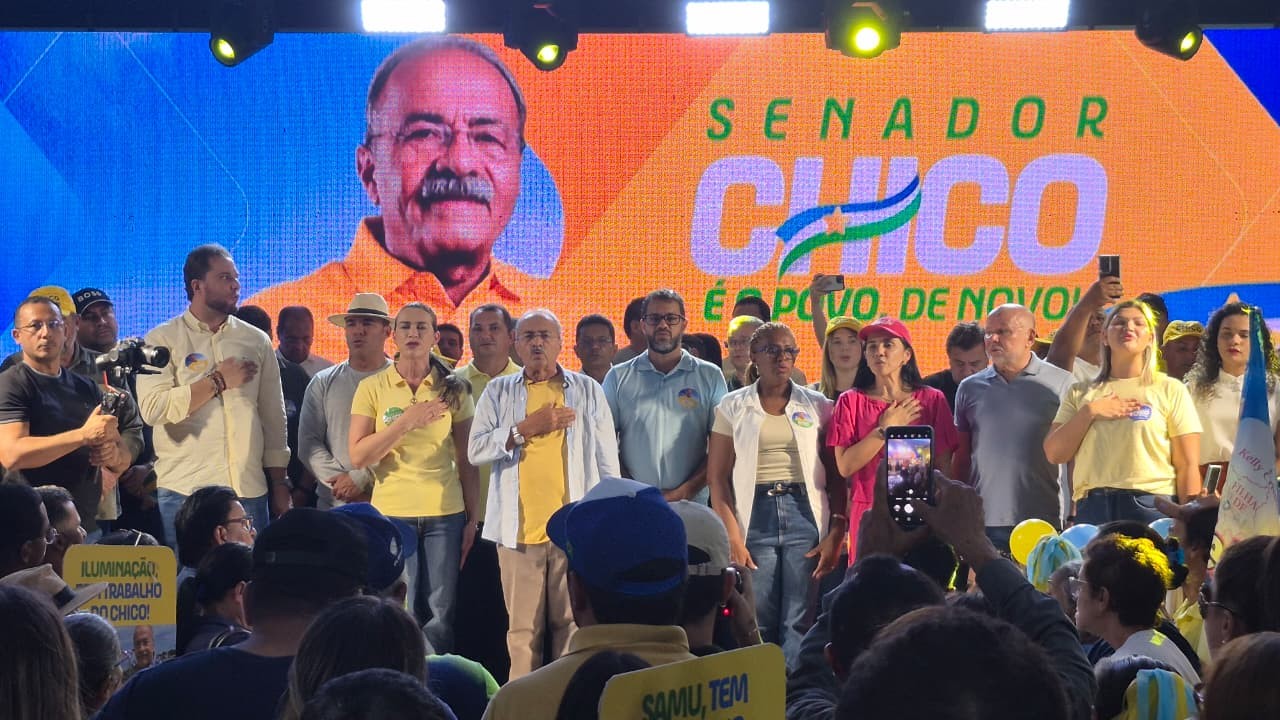
The Brazilian Socialist Party (PSB) has officially nominated Chico Rodrigues as its candidate for the Senate representing Roraima. This decision was formalized during the party's state convention held on Saturday, August 1st, in Boa Vista. Rodrigues, the incumbent senator, is seeking re-election after his initial term starting in 2018. His extensive political career in Roraima includes prior roles as state secretary of Agriculture, a city councilor in Boa Vista, and five consecutive terms as a federal deputy. He also served as vice-governor and briefly as governor in 2014. During the convention, Rodrigues expressed his commitment to continue working for the state's development if re-elected, stating his intention to "do more and better for the state." The PSB has not yet announced a formal coalition with other parties, though discussions are ongoing. The convention saw support from local officials, including the mayors of São João da Baliza and Uiramutã, as well as former federal deputy Luciano Castro and various municipal councilors. Other notable candidates for the Senate seat include Hélio Bolsonaro (PL), Nicoletti (PL), Rogério Miranda (DC), and Regina Tio Ivo (Novo). The deadline for candidate registration with the Superior Electoral Court (TSE) is August 15th, with the official campaign period commencing the following day. Brazilians will vote for president, governor, senators (two per state), federal deputies, and state deputies on October 4th.
The nomination of Chico Rodrigues by the PSB for a Senate seat in Roraima highlights the strategic importance of incumbent politicians in Brazilian elections, leveraging their established networks and legislative experience. The PSB's approach to potentially delaying coalition announcements reflects a common tactic to assess evolving political landscapes and maximize electoral advantage. As Brazil navigates its electoral cycles, the interplay between party platforms, candidate profiles, and voter engagement remains critical. Future electoral dynamics will likely be shaped by the ability of parties and candidates to adapt to technological shifts in campaigning and to address regional development needs within a national political framework, particularly in the context of increasing decentralization and evolving governance models.
AI-generated to prompt reflection — not editorial opinion, not advice, not a statement of fact. How this works.