PSB Minas Gerais Names Candidates for Federal and State Assembly Elections
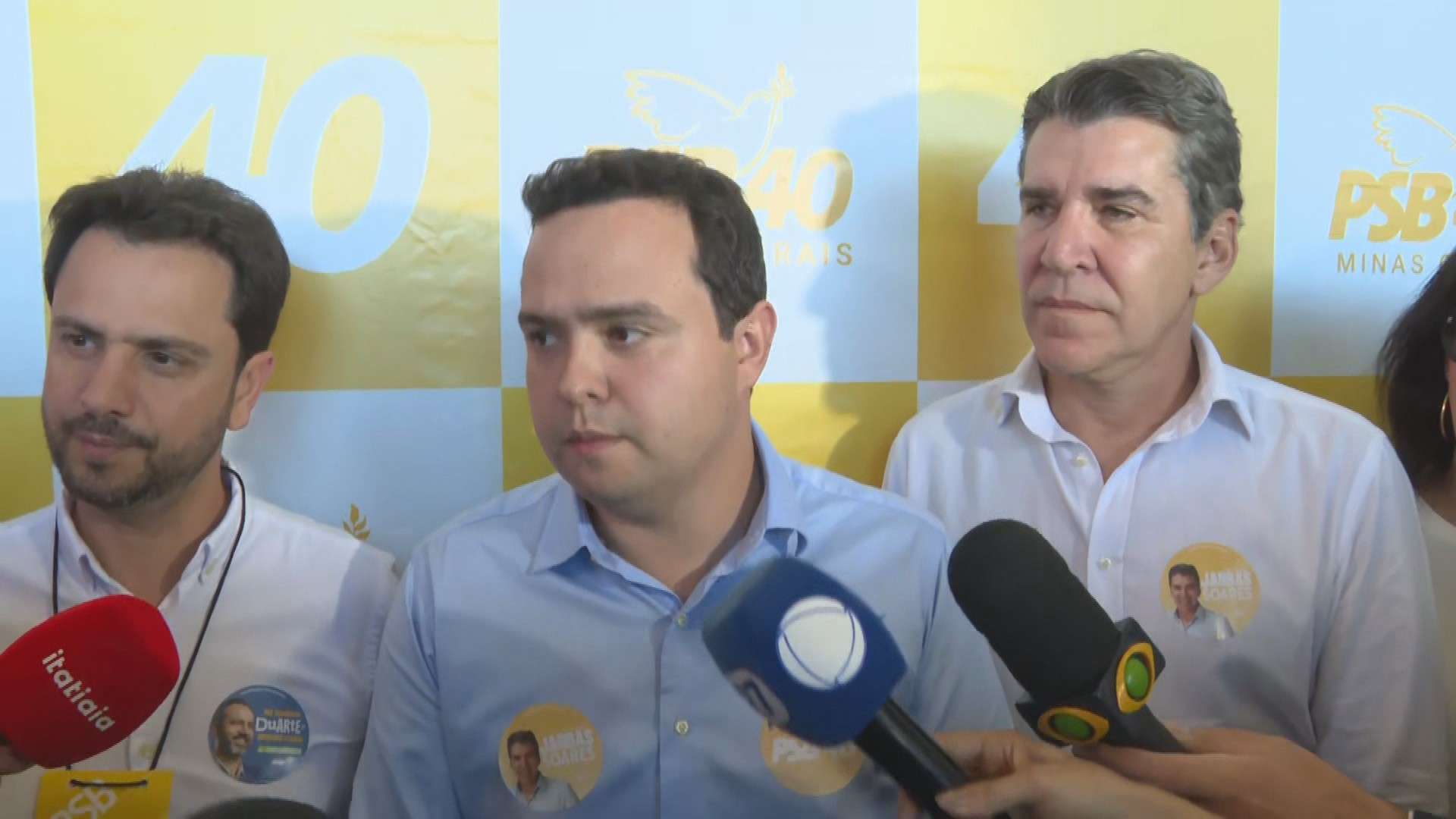
The Brazilian Socialist Party (PSB) in Minas Gerais has officially announced its candidates for the Chamber of Deputies and the State Legislative Assembly of Minas Gerais (ALMG) in the upcoming 2026 elections. The party held a convention on Sunday, August 2nd, at the Minas Gerais Legislative Assembly headquarters in Belo Horizonte, where they presented 41 candidates for federal deputy and 53 for state deputy. The convention concluded without a decision on the PSB's own candidacies for state governor and senator. Jarbas Soares Júnior, former Attorney General of Minas Gerais, is a potential candidate for one of these positions, but his nomination hinges on ongoing negotiations for political alliances with parties such as the PT and PDT. PSB-MG President Otacílio Costa indicated that discussions with Professor Patrus (PT) are advanced but require the PSB's contributions to be appropriately valued. The party expects to announce potential candidates for governor and senator by Wednesday, August 5th, the deadline set by the Electoral Justice for party nominations. The electoral campaign will officially commence on August 16th, following the registration of candidates with the Superior Electoral Court (TSE) by August 15th. Brazilians will vote for president, governor, senators, federal deputies, and state deputies in the general elections on October 4th.
The PSB's candidate nominations in Minas Gerais reflect the strategic maneuvering typical of Brazilian electoral politics, particularly concerning alliance formation. The party's decision to leave gubernatorial and senatorial candidacies open indicates a focus on maximizing leverage in negotiations with larger parties like the PT and PDT, aiming for a more favorable position within potential coalitions. This approach highlights the complex interplay between party autonomy and the pursuit of electoral success through broader alliances, a common dynamic in multi-party systems. The timeline for nominations underscores the pressure on parties to finalize their slates, balancing internal choices with external political realities and electoral regulations.
AI-generated to prompt reflection — not editorial opinion, not advice, not a statement of fact. How this works.