PSB Officially Nominates Geraldo Alckmin as Lula's Vice Presidential Running Mate
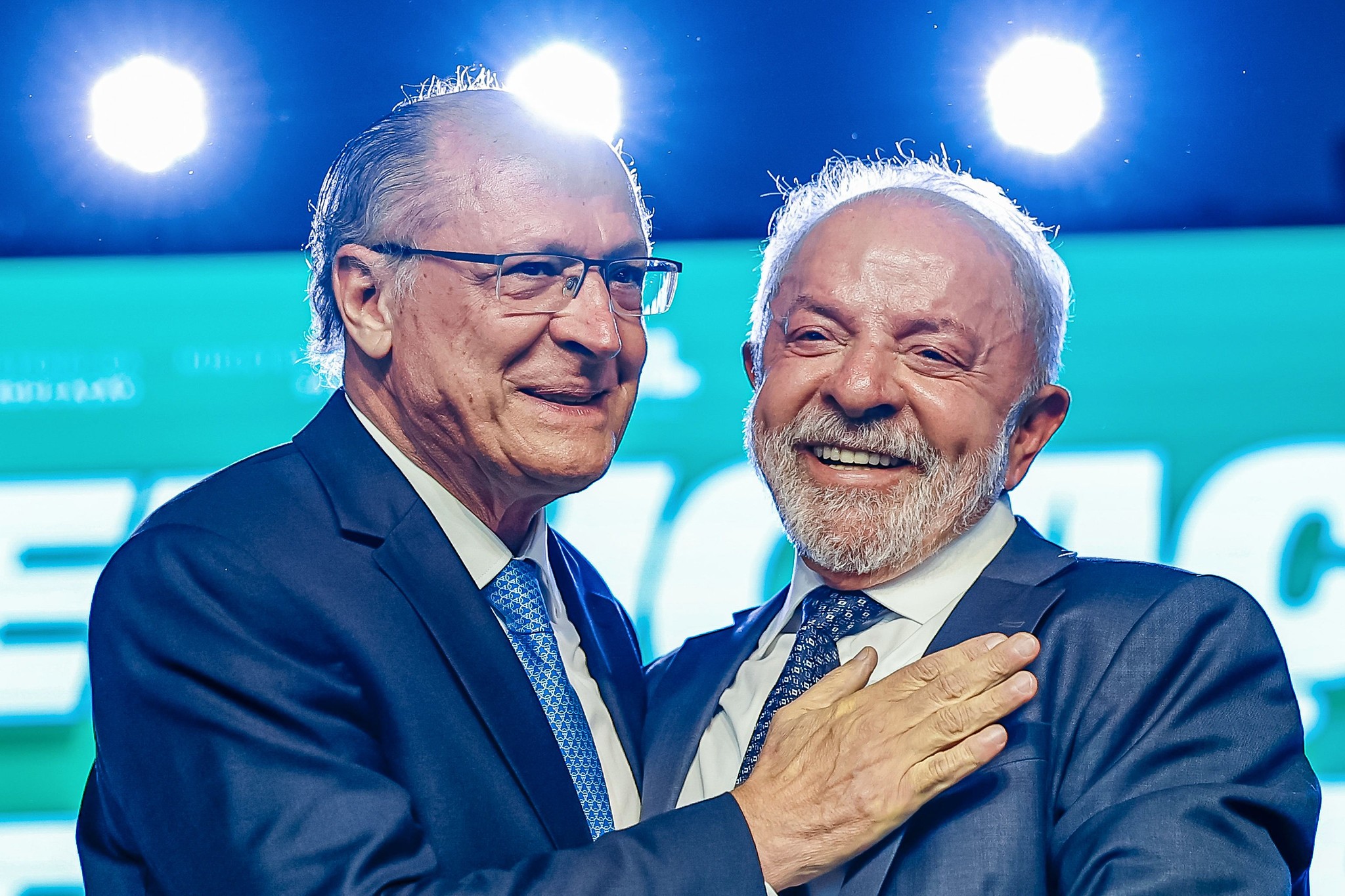
The Brazilian Socialist Party (PSB) has officially nominated Geraldo Alckmin as its candidate for Vice President of Brazil. Alckmin will join President Luiz Inácio Lula da Silva, the incumbent seeking re-election, on the presidential ticket. The confirmation took place during the PSB's national convention in Brasília on Wednesday, July 29th, attended by allied party leaders, parliamentarians, and national figures, including President Lula himself. This marks the second party to formally endorse Lula's re-election bid, following the Democratic Labour Party (PDT), which announced its support the previous week. President Lula is expected to be officially confirmed as the PT's candidate on Sunday, August 2nd, at the Workers' Party national convention in São Paulo. The decision to retain Alckmin as vice president replicates the successful partnership from the 2022 elections. Despite a past rivalry in presidential elections when Alckmin belonged to the PSDB, he has solidified his government position and maintained a close working relationship with Lula. Beyond his vice-presidential role, Alckmin also leads the Ministry of Development, Industry, Trade, and Services, acting as a liaison between the current administration and the business sector. Parties must finalize their conventions by August 5th to officially declare candidates and coalitions, with candidate registrations due to the Electoral Justice by August 15th. Electoral campaigning is set to commence on August 16th. In addition to the PSB and PDT, parties such as the PCdoB, PV, and PSOL have indicated their support for Lula's re-election, with further endorsements anticipated as conventions progress and the electoral landscape solidifies. The coalition supporting Lula and Alckmin includes the PDT, PSB, the Brazil of Hope Federation (PT, PV, PCdoB), and the PSOL/Rede Federation (PSOL and Rede).
The formalization of Geraldo Alckmin as the vice-presidential candidate alongside Luiz Inácio Lula da Silva represents a strategic consolidation of political forces aimed at maximizing electoral stability. This alliance, bridging historical political divides, highlights a pragmatic approach to governance focused on continuity and broad coalition-building. The repeated pairing suggests a reliance on established electoral dynamics rather than a pivot towards new political paradigms. From a systems perspective, such alliances can foster short-term stability but may also entrench existing power structures and potentially limit the infusion of fresh policy perspectives. The long-term implications for political discourse and the evolution of party platforms will depend on how effectively this broad coalition navigates future policy challenges and adapts to evolving societal needs in the coming decade.
AI-generated to prompt reflection — not editorial opinion, not advice, not a statement of fact. How this works.