PSD Nominates Dr. Furlan as Candidate for Governor of Amapá
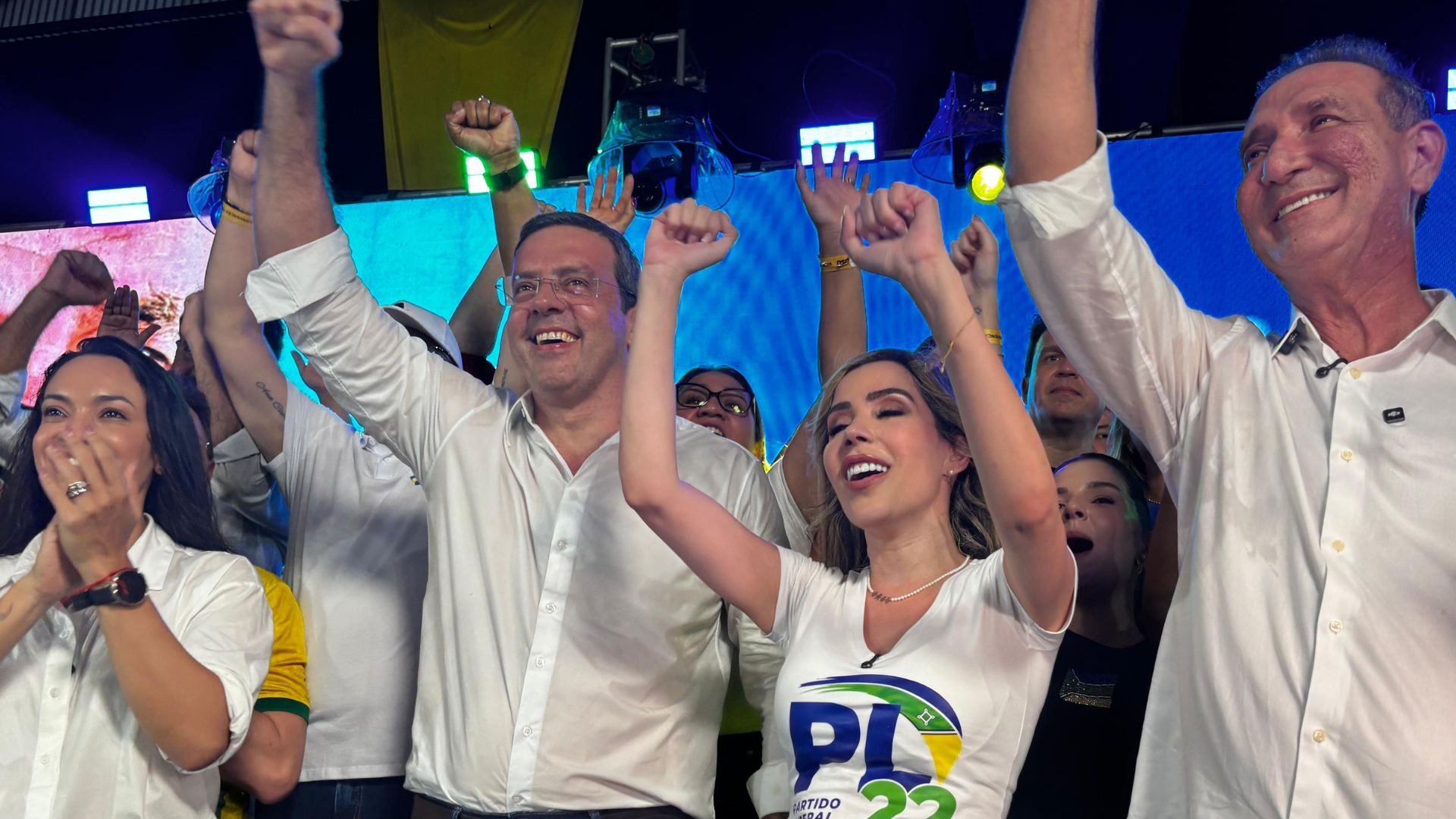
The Social Democratic Party (PSD) has officially nominated Dr. Furlan as its candidate for governor of Amapá. This decision was finalized during a party convention held on Monday, July 20th, at the Santa Inês Sports Gymnasium in Macapá. Dr. Furlan, a physician and former mayor of Macapá, will be running for state governor for the first time. He resigned from his mayoral position to pursue this gubernatorial bid.
Other candidates approved at the convention include Luciana Gurgel (PL) for vice-governor, and Lucas Barreto (PSD) and Rayssa Furlan (Podemos) for the Senate. Dr. Furlan expressed his intention to extend his effective management model, which he credits with transforming Macapá, to the entire state. The PSD will form a coalition with the Liberal Party (PL), Podemos, and Novo for the upcoming elections. The convention season, where parties select their candidates, must conclude by August 5th, with candidate registrations due to the Superior Electoral Court (TSE) by August 15th. Official campaigning begins the following day, leading up to the general elections on October 4th, which will include votes for president, governor, senators, federal deputies, and state deputies.
Dr. Furlan, whose full name is Antônio Paulo de Oliveira Furlan, is a 53-year-old cardiovascular surgeon originally from Costa Rica who has been based in Amapá. His political career began in 2010 with a bid for the Legislative Assembly of Amapá (Alap). He was elected state deputy in 2014 and re-elected in 2018. In 2020, he won the mayoral election for Macapá in the second round and secured re-election in 2024. He resigned from his mayoral post in 2026 within the legal timeframe to be eligible for the governorship. Notably, Dr. Furlan is currently under investigation for alleged embezzlement of health funds and for the suspected financing of a "digital militia" accused of targeting political opponents online.
The nomination of Dr. Furlan for governor of Amapá highlights the strategic coalition-building common in Brazilian politics, where parties align to maximize electoral reach. His prior experience as mayor and state deputy provides a foundation for his candidacy, yet the ongoing investigations into alleged financial impropriety and the use of online tactics present significant governance challenges. Future political actors will need to navigate the complex interplay between campaign strategies, public trust, and robust accountability mechanisms, particularly as digital influence operations become more sophisticated. The electoral calendar and the requirement for timely candidate registration underscore the procedural rigor of democratic processes, while the dual focus on state-level executive and legislative races reflects the multi-layered nature of governance in Brazil.
AI-generated to prompt reflection — not editorial opinion, not advice, not a statement of fact. How this works.